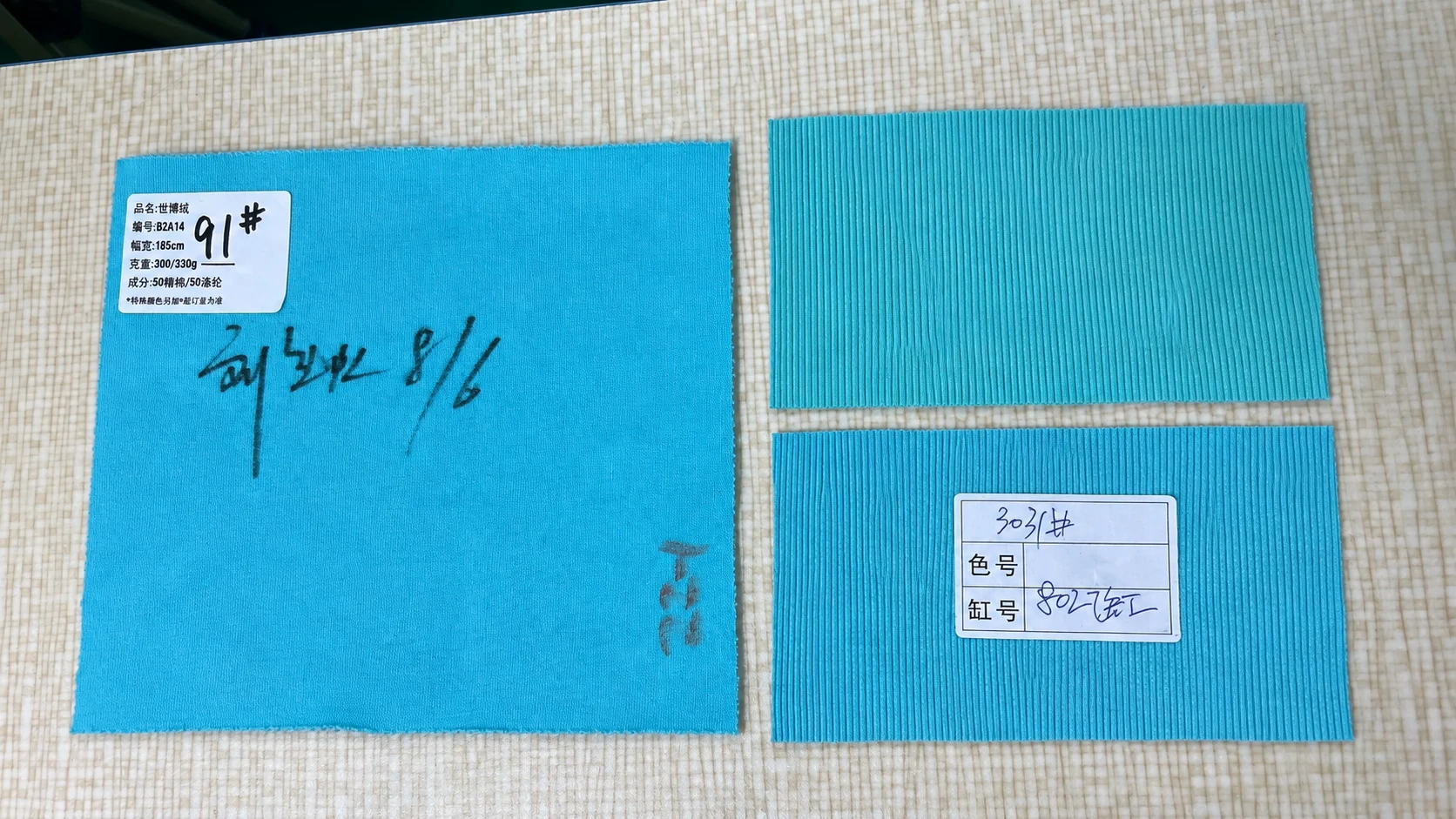
Translate Garment Requirements Into a Material Direction
Fabric development begins by translating how the garment should look, feel and perform into a workable material direction for sampling.
Product Use
Everyday, fashion, active or performance-led application.
Silhouette
Fitted, relaxed, structured or draped garment direction.
Season
Target climate, wearing period and layering requirements.
Target Handfeel
Softness, density, drape and perceived garment weight.
Project Boundaries
Performance needs, production scope and commercial limits.

Structure
Jersey, rib, interlock, pique, French terry or fleece direction.
Weight
A working weight range aligned with silhouette, opacity and intended use.
Stretch
Stretch direction and extension aligned with movement, fit and construction needs.
Recovery
Return behavior considered where shape retention and repeated wear matter.
Surface & Finish
Texture, appearance and finishing response aligned with the intended garment result.

Product Use
Everyday, fashion, active or performance-led application.
Structure
Jersey, rib, interlock, pique, French terry or fleece direction.
Silhouette
Fitted, relaxed, structured or draped garment direction.
Weight
A working weight range aligned with silhouette, opacity and intended use.
Season
Target climate, wearing period and layering requirements.
Stretch
Stretch direction and extension aligned with movement, fit and construction needs.
Target Handfeel
Softness, density, drape and perceived garment weight.
Recovery
Return behavior considered where shape retention and repeated wear matter.
Project Boundaries
Performance needs, production scope and commercial limits.
Surface & Finish
Texture, appearance and finishing response aligned with the intended garment result.
Garment requirements are translated into defined material variables before a working sampling reference is established.
Structure Is Defined by Its Role in the Garment
Knit structures are aligned with the garment's silhouette, stretch, surface and intended use before sampling moves forward.
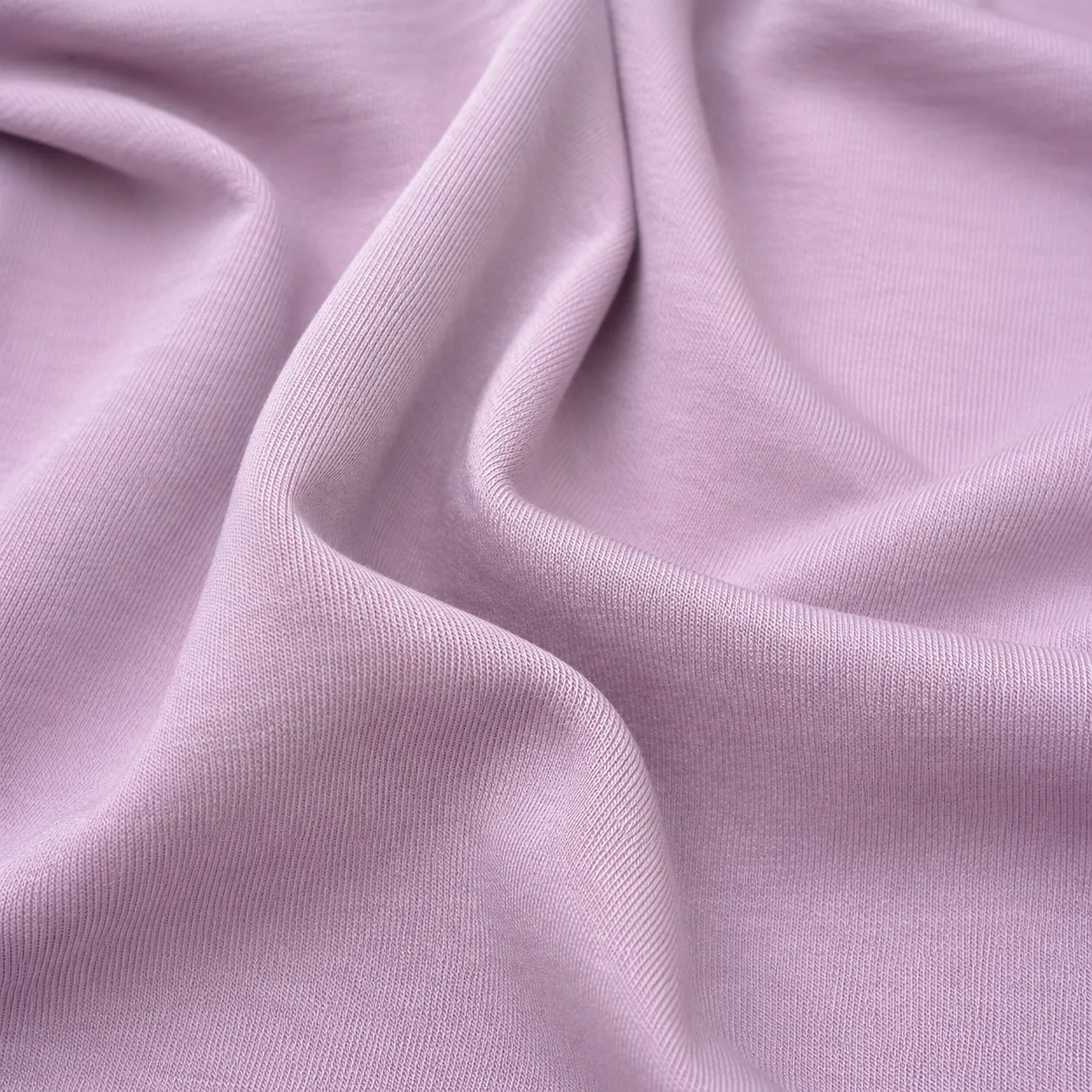
Jersey Knit Fabric
Soft drape for T-shirts, knit dresses and lightweight tops.
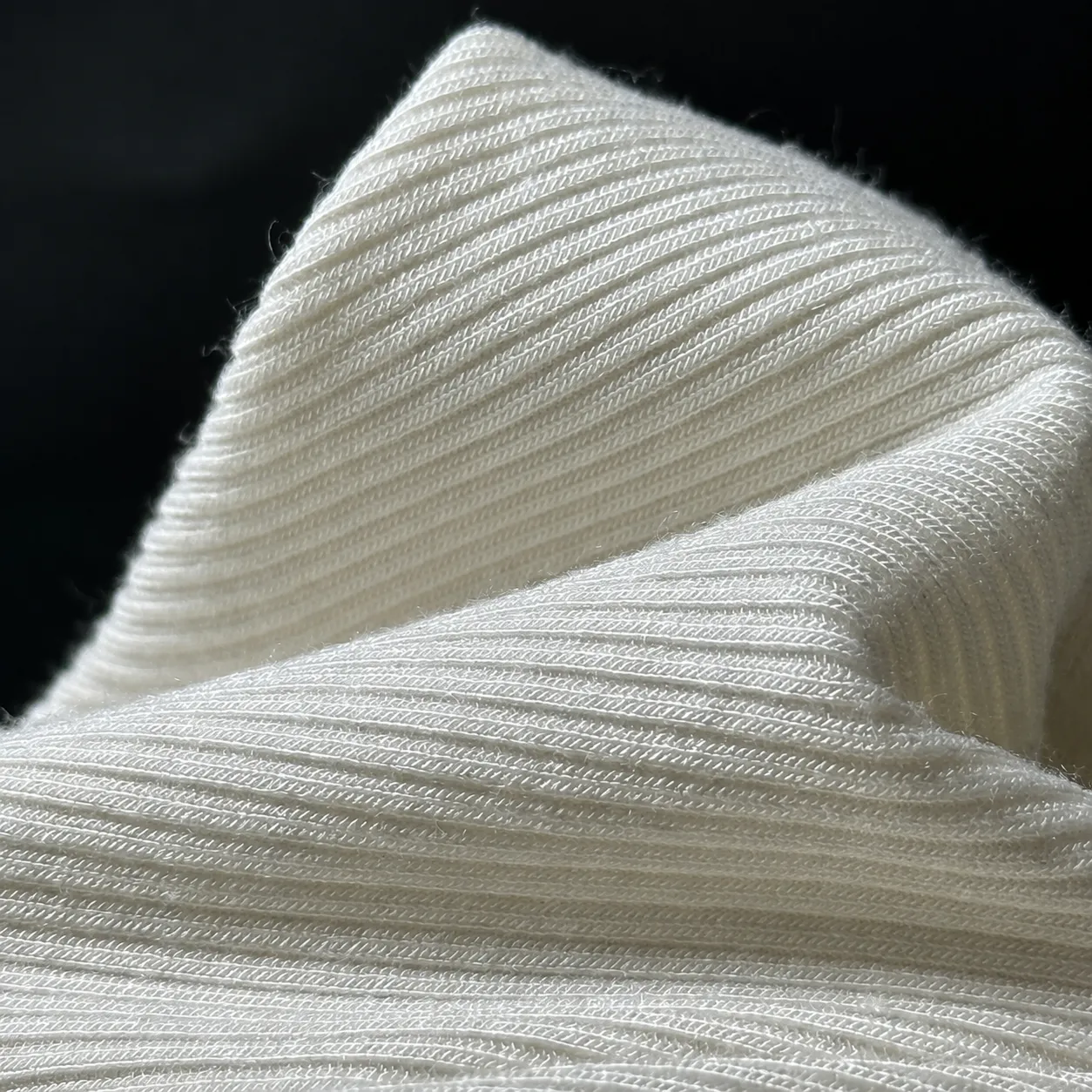
Rib Knit Fabric
Stretch and recovery for collars, cuffs, waistbands and fitted areas.
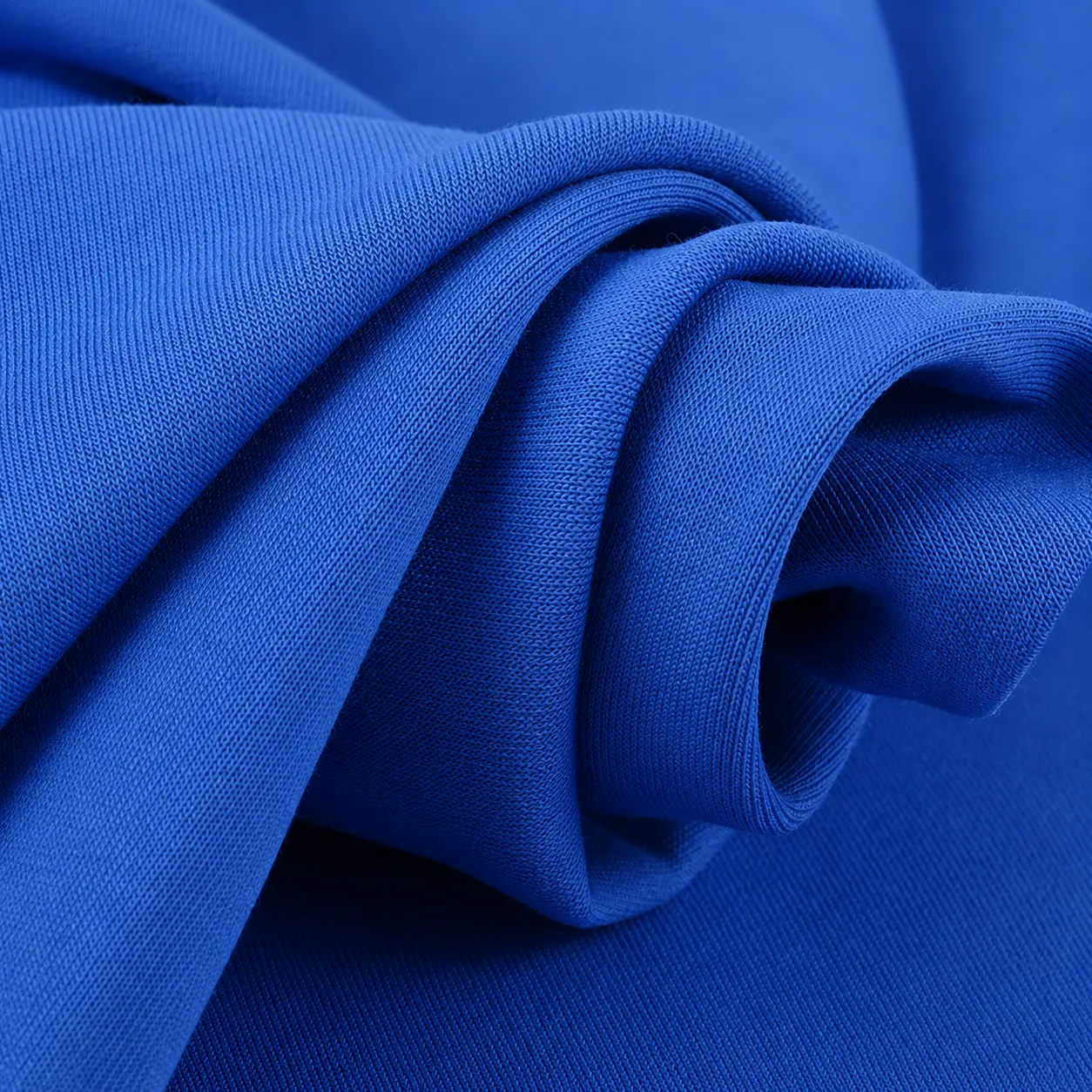
Interlock Knit Fabric
Greater stability and opacity for clean-surface tops and structured garments.
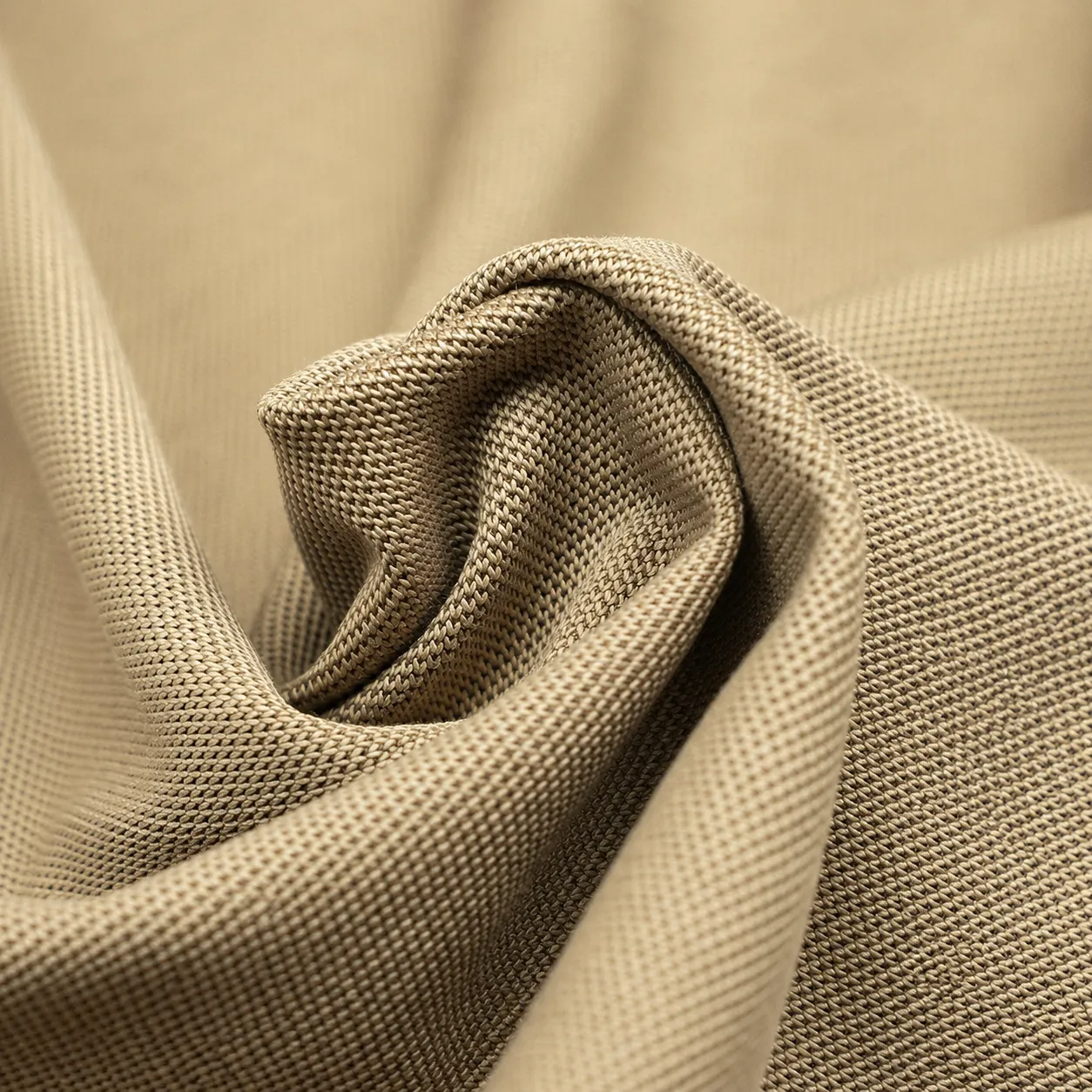
Pique Fabric
Textured surface and shape support for polo shirts and structured casual tops.
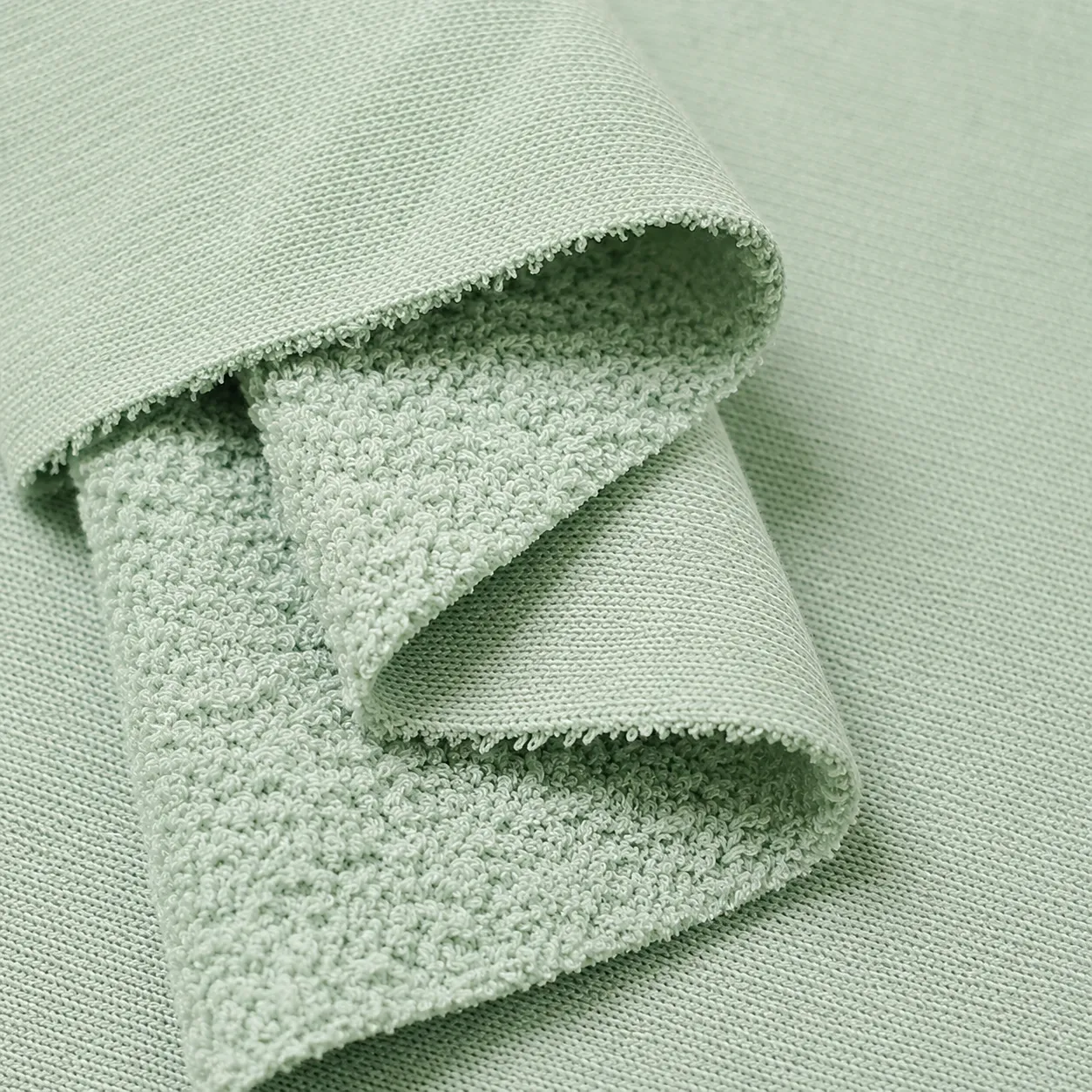
French Terry Fabric
Loopback structure with moderate body for hoodies, sweatshirts and joggers.
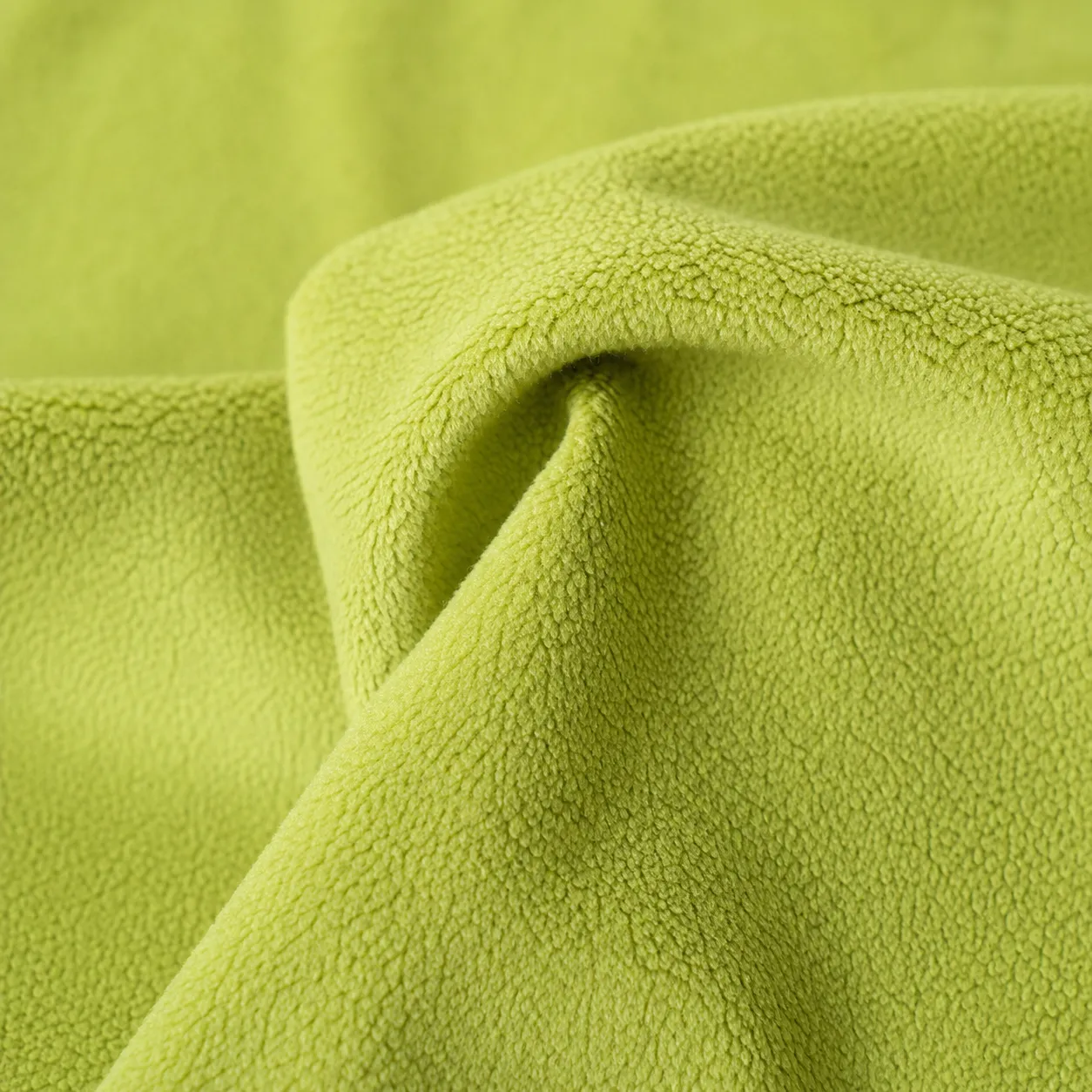
Fleece Fabric
Brushed interior warmth for heavier sweat programs and cold-season garments.
Review Material Behavior Before Sampling
Weight, handfeel, stretch, recovery, shrinkage and surface response are reviewed against the intended garment before the material direction moves into sampling.
Weight
Composition, blend ratio, GSM, opacity and drape are considered in relation to garment use, silhouette and season.
Handfeel
Softness, density, body and perceived touch are reviewed against the intended product direction.
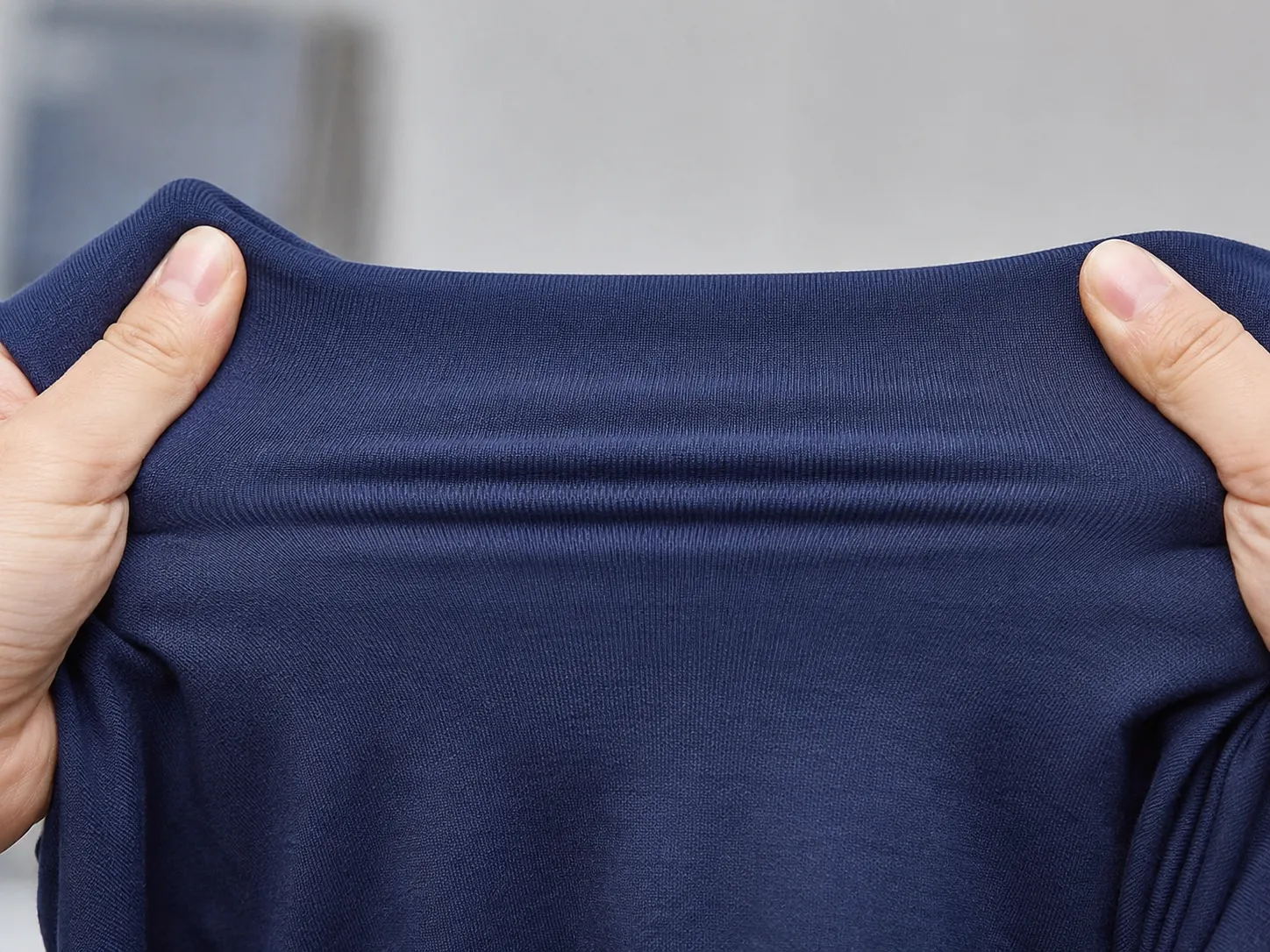
Stretch
Stretch direction and extension are aligned with movement, fit and construction needs.
Recovery
Return behavior is considered where shape retention and repeated wear response matter.
Shrinkage
Length and width change, spirality and wash response are considered before the material direction moves into the garment sample.
Surface
Texture, appearance, finishing response and decoration compatibility are considered against the intended garment result.
Turn Material Decisions Into an Approved Reference
Material development is completed when the agreed direction is defined clearly enough to guide sampling and provide a consistent basis for later production comparison.
Defined Material Direction
Structure, weight, handfeel, stretch, recovery, shrinkage and surface direction are aligned around the intended garment.
Sampling Reference
The agreed material becomes the working reference used to develop and review the garment sample.
Bulk Comparison Basis
The approved reference provides a defined material basis that can later support production alignment and comparison.