Decoration & Garment Finishing
Compare decoration and finishing methods through fabric compatibility, garment structure, intended visual effect, application requirements, and approval criteria before sampling.
Three Decoration and Finishing Paths
Printing, embroidery, patches, and garment finishing interact with knit fabrics in different ways. Start with the intended result, then compare material behavior, application method, construction limits, and approval requirements before sampling.
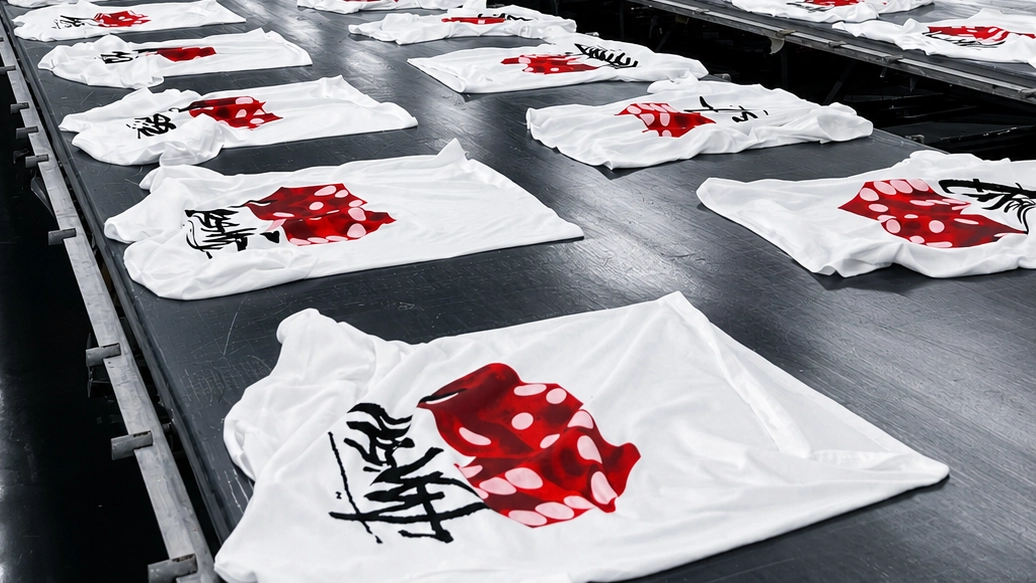
Printing & Transfers
Printing and transfer methods apply graphics, color, or surface effects to fabric or finished garments. Method choice depends on fabric surface, stretch, heat sensitivity, adhesion, artwork coverage, intended handfeel, and wash performance.
Consider first: fabric surface, stretch, heat response, adhesion, opacity, handfeel, and wash requirements.
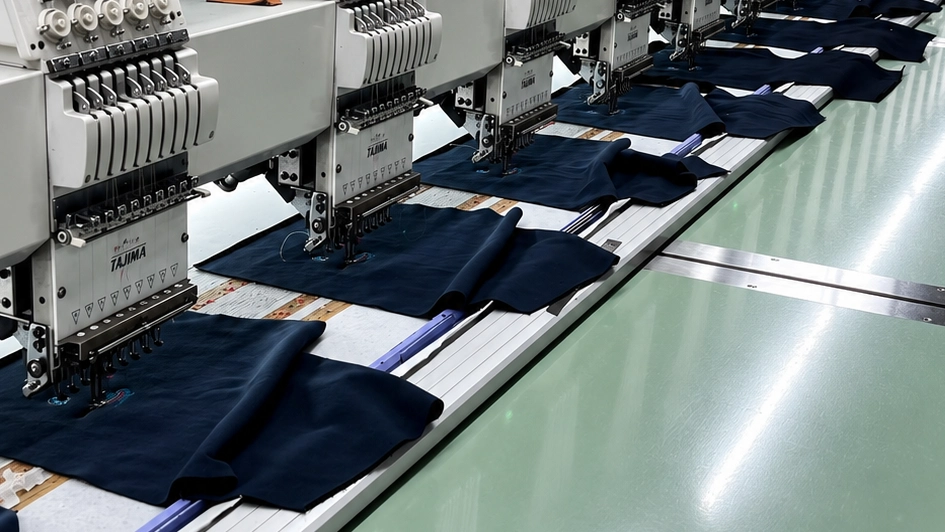
Embroidery & Patches
Embroidery and patches add stitched or attached structure to the garment. The fabric and garment area must support the selected stitch density, backing, artwork size, attachment method, and placement without excessive puckering, distortion, stiffness, or discomfort.
Consider first: fabric support, stitch density, backing, attachment method, placement, edge stability, and inside comfort.
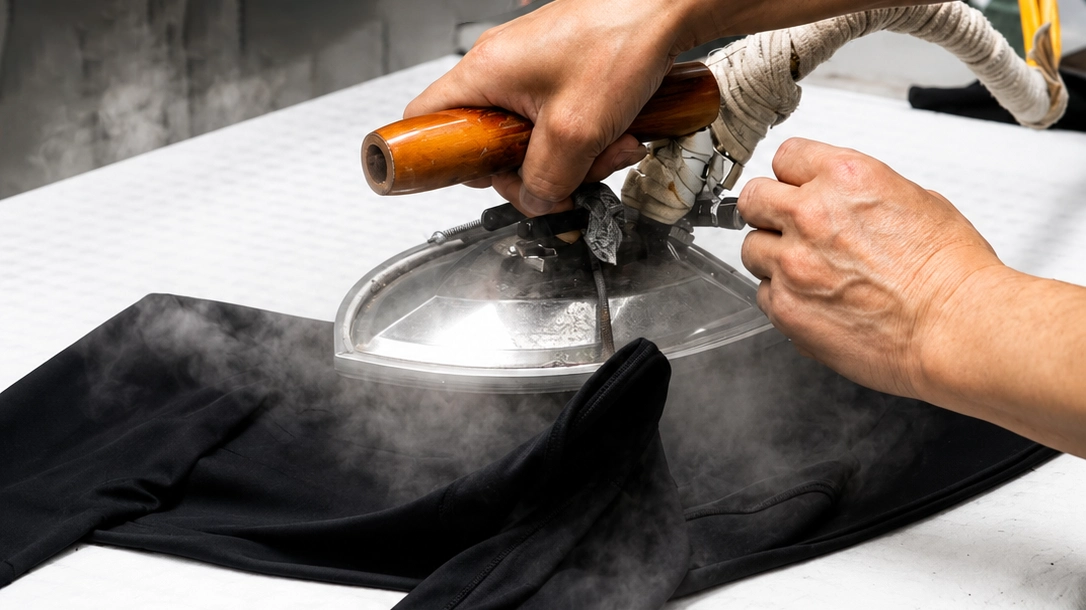
Garment Finishing
Garment finishing changes the surface, handfeel, or final appearance of the product as a whole. The selected finishing direction should be evaluated against base material behavior, garment structure, shade consistency, dimensional response, and the final presentation standard.
Consider first: base material, garment construction, finish target, shade, handfeel, dimensional change, and batch consistency.
Six Questions to Resolve Before Decoration
Review material compatibility, decoration approval, placement, wash response, and production requirements before confirming a decoration direction.
Which Printing Methods Should Brands Compare for Stretch Knit Fabrics?
Compare fabric surface, stretch response, heat sensitivity, coverage, handfeel, adhesion, and wash requirements before selecting a printing direction.
What Should Be Approved Before Bulk Decoration Begins?
Define artwork size, placement, color, handfeel, stretch response, wash result, and the approved reference that should guide bulk decoration.
How Can Embroidery Puckering Be Reduced on Lightweight Knit Fabrics?
Review fabric stability, digitizing, stitch density, backing, artwork scale, and construction support to reduce distortion around embroidered areas.
How Does Placement Tolerance Affect Logos, Patches and Garment Graphics?
Review how seams, panels, pockets, ribs, garment dimensions, and realistic positioning tolerances affect repeatable placement.
How Does Garment Washing Change Color, Handfeel and Measurements?
Review how base material, garment construction, finishing direction, and processing conditions can change shade, surface, handfeel, shrinkage, and garment dimensions.
Why Do Decoration Samples Need Wash and Stretch Review?
Understand how washing and repeated extension can reveal changes in adhesion, cracking, peeling, color, surface appearance, and final decoration performance.
What Should Be Clarified Before Decoration Sampling Begins?
A preferred visual effect is only a starting point. Before a decoration or finishing sample can be meaningfully reviewed, the material, artwork, placement, target result, and comparison criteria should be clearly defined.
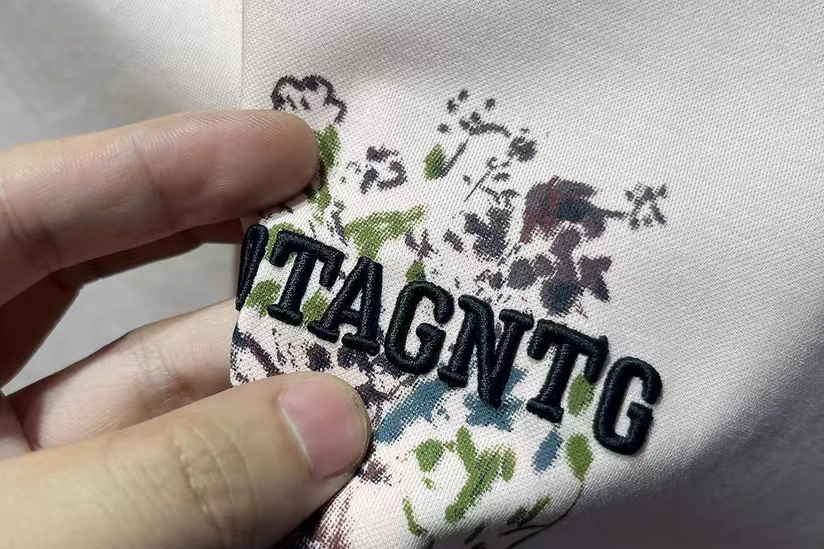
Before Printing & Transfers
Prepare the artwork file, finished artwork size, placement reference, color target, target fabric or garment, and expected handfeel, wash, or performance result. For transfer applications, heat sensitivity and adhesion expectations should also be clear before sampling.
Before Embroidery & Patches
Prepare the finished artwork size, placement reference, target fabric, stitch or patch direction, backing or support expectations, and any inside-comfort requirements. These inputs help determine whether the intended construction can be reviewed on the actual garment area.
Before Garment Finishing
Prepare the base garment, finishing direction, shade and surface target, handfeel reference, dimensional expectations, and the criteria for comparing the garment before and after processing. Where washing or other treatments are involved, the intended change should be defined before the finished sample is reviewed.
Connect the Decoration Decision to the Right Next Step
Once the decoration or finishing direction is defined, continue to the page responsible for development, verification, or project sequencing.
Decoration & Garment Finishing
Develop the selected decoration or finishing direction into defined artwork, material compatibility, samples, placement, color, handfeel, and finishing references before bulk production.
Review Decoration & Garment Finishing →Quality & Standards
Verify decoration appearance, placement, wash response, dimensional change, surface condition, and production consistency against defined references before release.
Review Quality & Standards →Process
See how decoration sampling and approval connect with bulk production, inspection, and delivery so each decision enters the overall project sequence at the right stage.
View the Process →From Decoration Direction to Production Readiness
Once the decoration or finishing direction is defined, the next step is to align artwork, material compatibility, placement, sample approval, appearance references, and performance expectations before moving toward repeatable bulk execution.
Continue With Related Decoration & Finishing Articles
Explore deeper articles on printing, transfers, embroidery, patches, placement, wash response, material compatibility, and garment finishing.
Explore the Article Library →Have Artwork or a Decoration Direction Ready for Review?
Share the garment direction, artwork or reference samples, decoration or finishing requirements, material direction, target quantities, and current development stage already available.
Submit Project for Evaluation