Quality, Sourcing & Reorder Guides
Understand what should be defined, checked, released, and preserved before bulk production and repeat orders.
A passed inspection is not the same as a repeatable quality reference.
One shipment can meet the agreed requirements. Reorder consistency depends on preserving the standards, approved references, tolerances, and accepted changes that define what should be repeated.

A release decision confirms the current result. A repeatable quality reference defines what the next batch should be compared against.
Current Release Can Confirm
Measurements, workmanship, color, decoration, wash response, packing, and final inspection results meet the agreed acceptance basis for the current production.
Repeatable Quality Reference Must Preserve
Approved material and garment references, measurement methods and tolerances, color and decoration standards, wash expectations, accepted changes, and release records remain available for later comparison.
Seven Questions to Answer Before Release and Reorder
Each answer should point to a defined standard, an approved reference, a measurable result, or a documented comparison basis.
What Material Standard Will Be Used for Comparison?
Define the approved composition, knit structure, fabric weight, handfeel, stretch, recovery, shrinkage, and finishing direction that production material should follow.
What Measurement Tolerance Applies to the Garment?
Confirm the measurement points, checking method, target dimensions, acceptable tolerances, and whether comparison is based on pre-wash or post-wash measurements.
How Will Color and Decoration Consistency Be Judged?
Use approved color, printing, embroidery, or decoration references to compare shade, placement, registration, stitch density, adhesion, surface appearance, and the overall garment result.
What Wash and Shrinkage Result Is Acceptable?
Define the required test condition and review dimensional change, twisting, recovery, handfeel, surface appearance, and decoration durability against the agreed acceptance criteria.
What Inspection Evidence Is Required Before Release?
Confirm the agreed inspection scope, measurement results, workmanship checks, visual consistency, required test records, and final comparison with approved references.
What Packing Standard Must the Shipment Follow?
Define folding, labels, polybags, carton assortment, carton information, and any project-specific packing direction that must be confirmed before shipment release.
What Reference Will Control the Next Reorder?
Retain the latest approved garment, material batch information, color and decoration references, production records, and accepted changes so the next batch can be compared with the accepted result.
Every Quality Risk Should Lead to a Defined Check and a Clear Release Decision
A sourcing decision becomes more reliable when each possible variation is connected to a clear comparison method and an agreed acceptance basis.
Material & Color Variation
Fabric weight, handfeel, stretch, recovery, surface, or shade can move away from the approved material and garment reference.
Check
Compare current material and early garments with the approved fabric, color, and handfeel references. Review wash, shrinkage, or performance response where required.
Release Basis
Material and garment results remain within the agreed shade, weight, handfeel, and performance expectations.
Fit & Construction Deviation
Measurements, seams, neckline, placket, pocket, waistband, hem, or other construction details can move away from the approved result.
Check
Compare key measurement points, agreed tolerances, workmanship, and construction details with the approved garment and technical reference.
Release Basis
Garment measurements remain within tolerance and construction follows the accepted sample and specification basis.
Decoration & Wash Performance
Printing, embroidery, or finishing can show placement variation, shade change, puckering, cracking, peeling, or loss of adhesion.
Check
Compare placement, color, surface, stitch, or print result with the approved process reference, then review wash, stretch, and durability response where applicable.
Release Basis
Appearance, handfeel, placement, and post-test durability remain consistent with the approved decoration reference.
Packing & Shipment Error
Labels, size assortment, quantities, folding, polybags, carton information, or project-specific packing details can be incorrect.
Check
Review final inspection results, quantity and assortment, packing method, labels, and carton information against the approved order and packing requirements.
Release Basis
Final inspection and packing records confirm that the shipment follows the approved garment, order, and delivery requirements.
A Reorder Should Begin From the Latest Approved Reference
A repeat order should not rely on memory of the previous shipment. Keep the latest approved garment, material batch, color, decoration, and accepted changes connected to the same comparison basis for the next production batch.

Approved Garment
Retain the accepted fit, measurements, construction, handfeel, decoration, and finished appearance as the garment comparison basis.
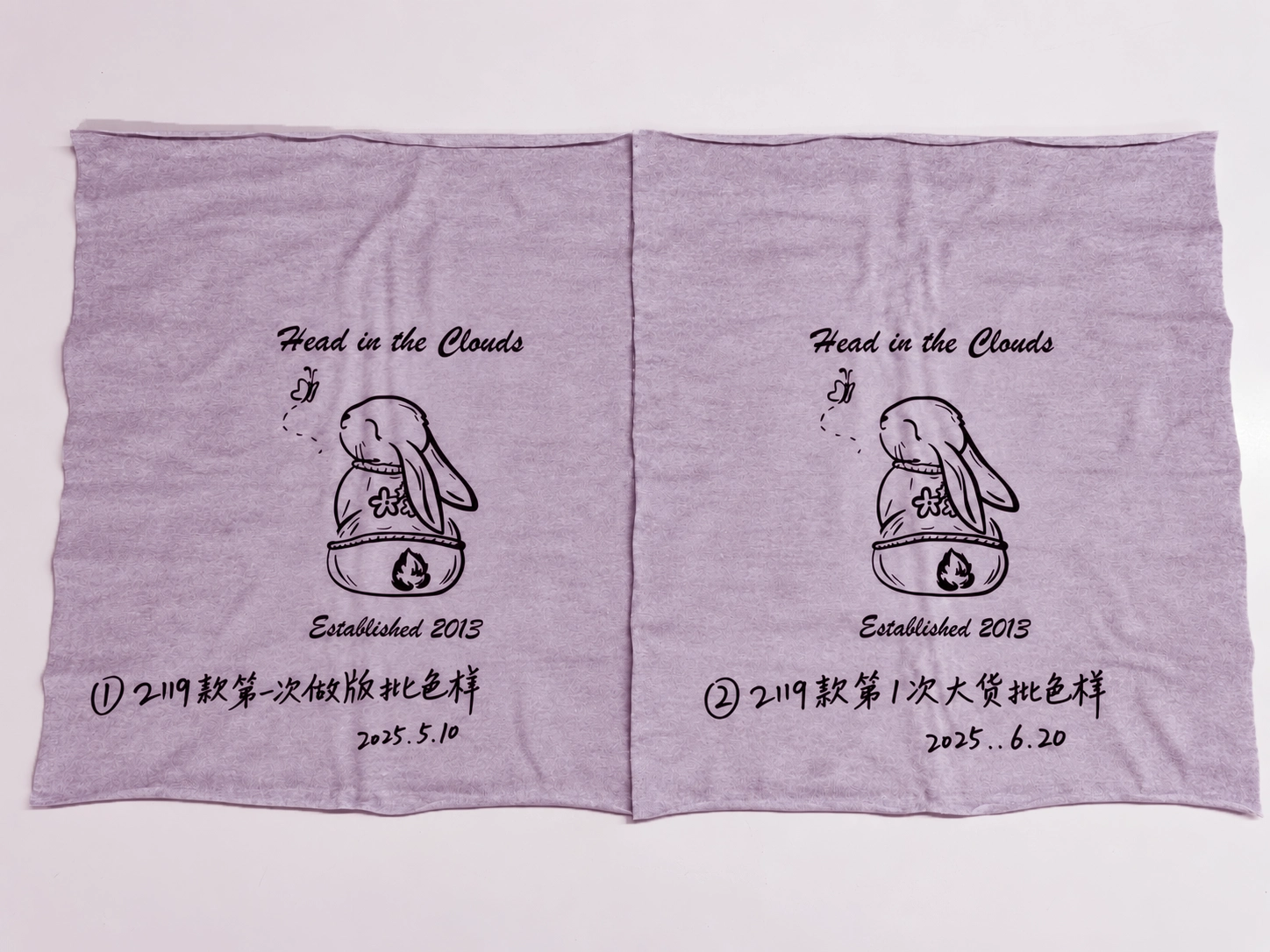
Material Batch Reference
Keep the approved composition, knit structure, fabric weight, stretch, recovery, shrinkage, handfeel, and relevant batch information.
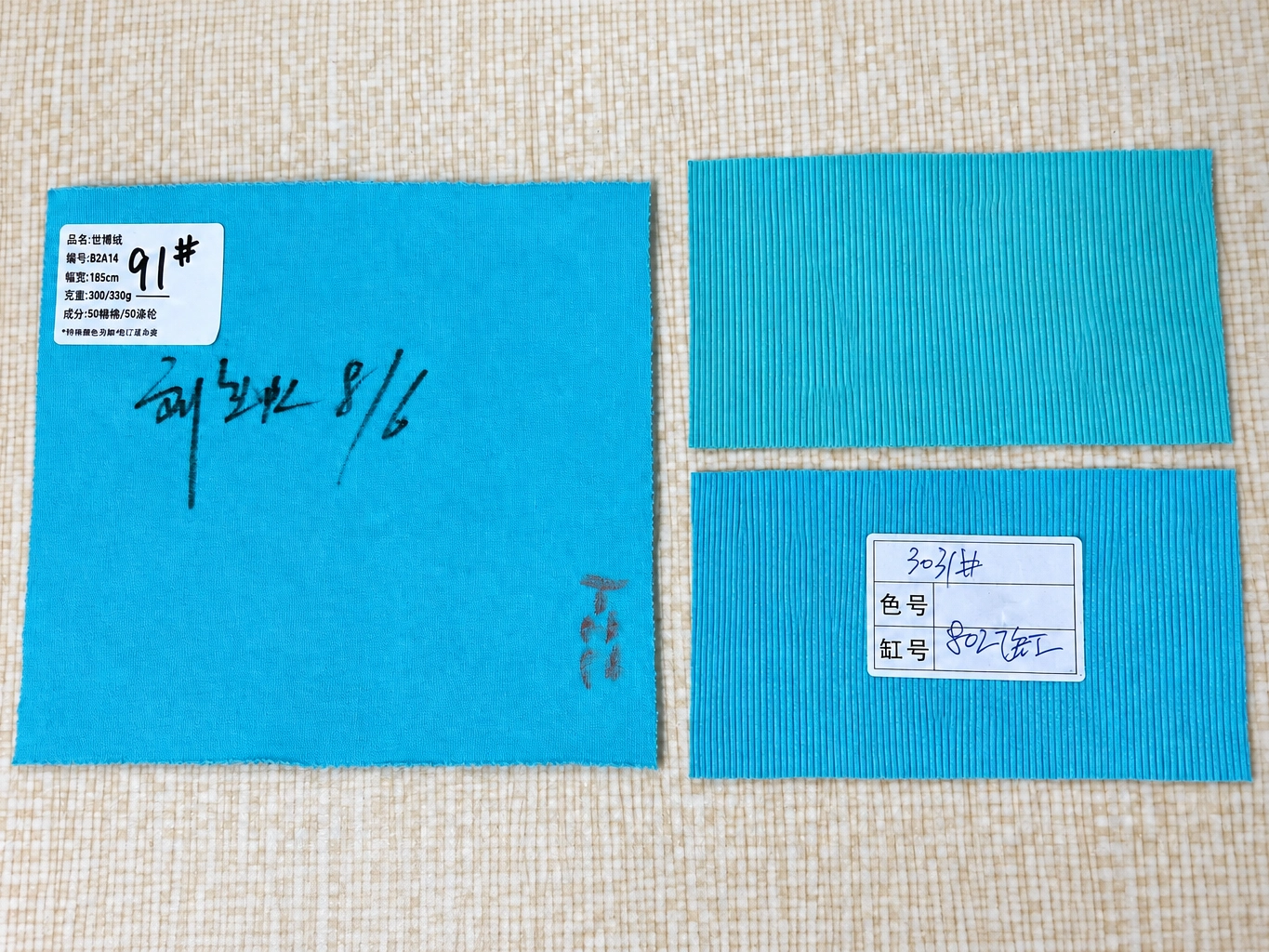
Color Reference
Use the approved fabric, garment, or color reference to compare shade, visual consistency, and acceptable batch variation.
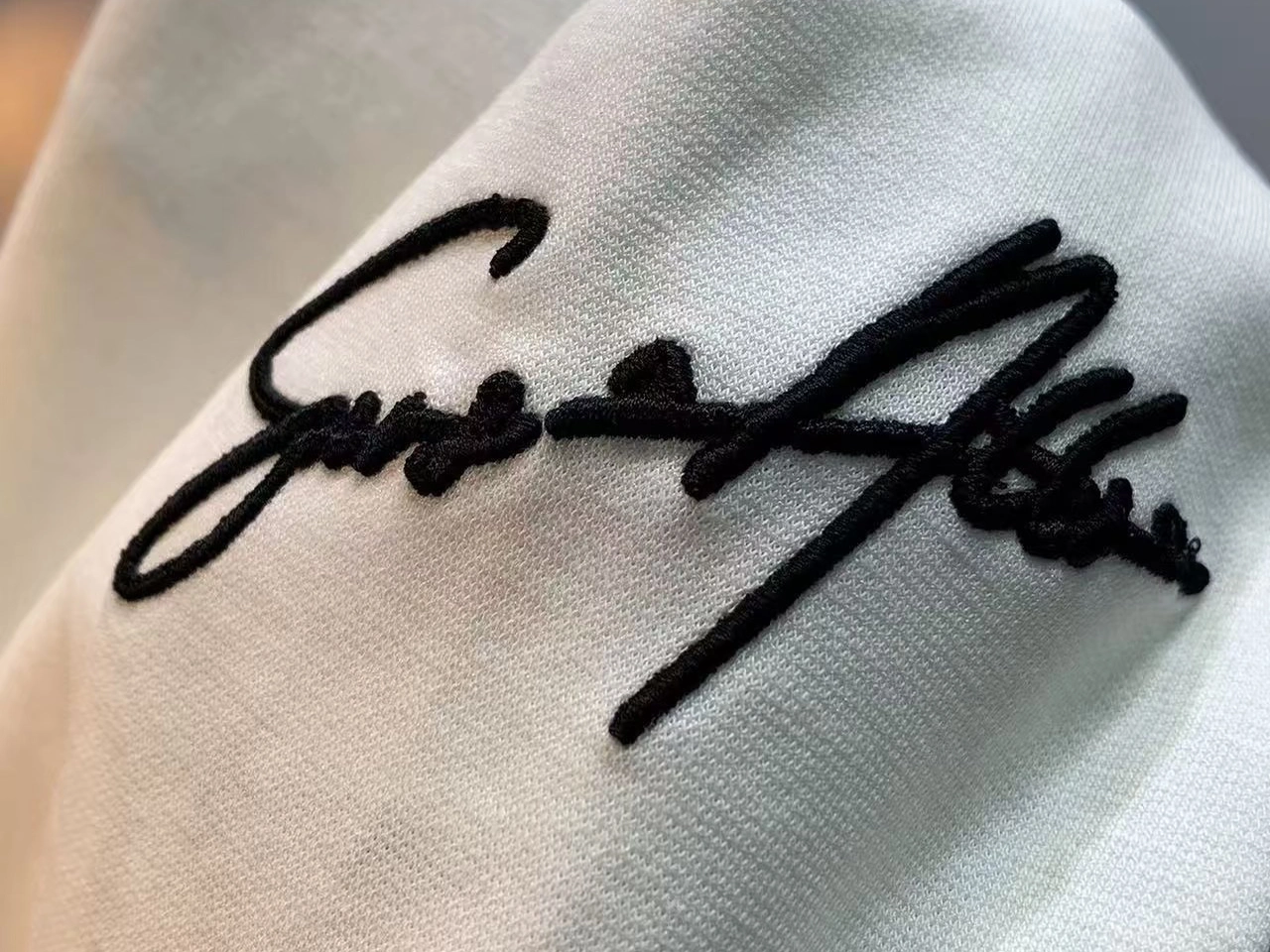
Decoration Reference
Retain approved printing, embroidery, placement, stitch, surface, handfeel, and post-wash appearance for later comparison.
Continue Into the Systems That Control Quality and Execution
Move from quality and reorder questions into the pages responsible for verification, release, production control, and project execution.
Quality & Standards
Review how material standards, measurement tolerances, color and decoration consistency, wash performance, inspection evidence, and reorder references are verified before release.
Review Quality & Standards →Process
Follow how approved requirements move through development, pre-production alignment, controlled bulk production, inspection, packing, and delivery.
Follow the Process →From Quality Reference to Repeatable Reorders
Reliable reorders depend on more than repeating a previous shipment. Approved references, measurable criteria, release records, and accepted changes need to remain connected so each new batch can be reviewed against the latest accepted basis.
Continue With Related Quality and Reorder Articles
Explore deeper articles on inspection, measurement tolerance, wash response, approved references, cross-batch consistency, and repeat-order control.
Explore the Article Library →Have an Approved Reference or Repeat-Order Requirement Ready for Review?
Share the latest approved garment, material reference, measurement basis, accepted changes, target quantities, and reorder requirements already available.
Submit Project for Evaluation