Silhouette Defines the T-Shirt Proportion
Fitted, regular, cropped-boxy, and oversized T-shirts begin with different proportion systems. Body ease, shoulder position, sleeve volume, garment length, and fabric behavior should be aligned before construction details are refined.

Fitted
A closer silhouette places greater importance on controlled body ease, fabric stretch and recovery, neckline stability, and seam comfort.

Regular Fit
Balanced proportions depend on controlled body ease, shoulder position, sleeve length, hem balance, and a repeatable overall fit.

Cropped Boxy
A shorter, wider silhouette depends on body length, sleeve volume, fabric body, and hem balance to maintain a deliberate proportion.

Oversized Fit
Expanded volume shifts attention to dropped-shoulder position, sleeve proportion, garment length, fabric weight, and overall body balance.
Fabric Direction Shapes the T-Shirt Silhouette
Cotton jersey, soft-drape jersey, stretch jersey, and interlock create different combinations of handfeel, drape, recovery, opacity, and body. The fabric direction should support the intended silhouette before construction details are refined.

Cotton Jersey
A familiar core direction with natural handfeel, balanced drape, and versatile body for everyday and repeat T-shirt programs.
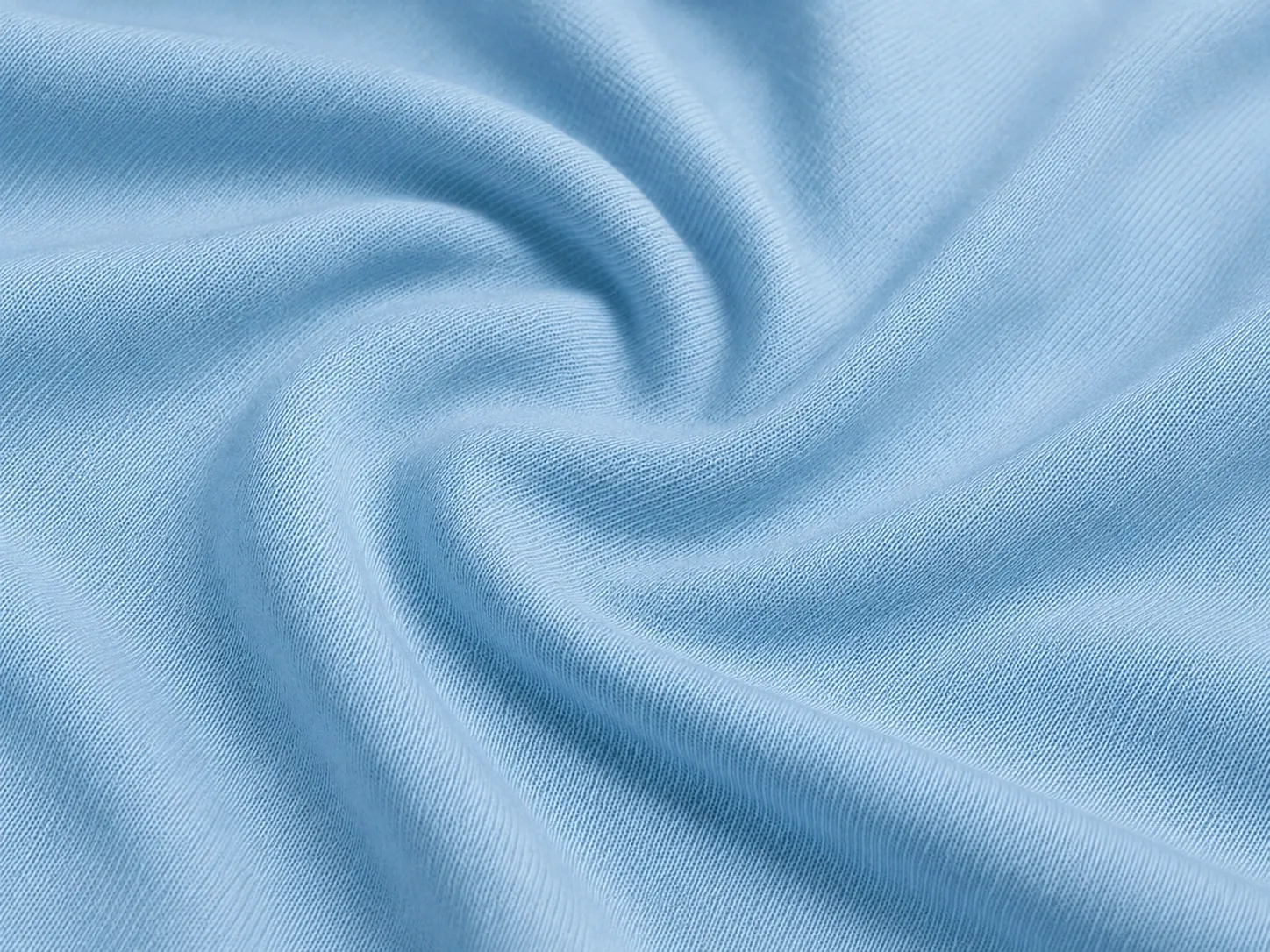
Soft-Drape Jersey
Softer jersey directions create a more fluid fall and lighter visual movement where handfeel and drape are central to the intended silhouette.

Stretch Jersey
Added stretch supports closer silhouettes, recovery, and shape retention where the T-shirt needs to follow movement without losing its intended fit.

Interlock Knit
A denser double-knit structure provides greater opacity, a cleaner surface, and a more stable body where stronger silhouette definition is required.
Six T-Shirt Details to Confirm Before Bulk Production
Before a knit T-shirt moves into bulk production, the approved garment should provide clear references for the construction details and post-wash behavior that affect neckline stability, body balance, seam alignment, finishing, and decoration consistency.

Neckline & Rib Stability
Check neckline opening, rib width, attachment, recovery, symmetry, and edge flatness so the collar keeps the approved shape without stretching, twisting, or standing away from the body.

Shoulder, Sleeve & Armhole Balance
Review shoulder position, armhole shape, sleeve volume, sleeve length, and left-right balance so the upper garment maintains the intended proportion without pulling or distortion.

Side-Seam Alignment & Spirality
Check side-seam position, body twist, panel alignment, and post-wash spirality so the garment body stays visually balanced instead of rotating or shifting after laundering.

Hem & Seam Finish
Review hem depth, stitch consistency, seam tension, puckering, waviness, and edge flatness so the lower edge and sewn seams maintain a clean and stable appearance.
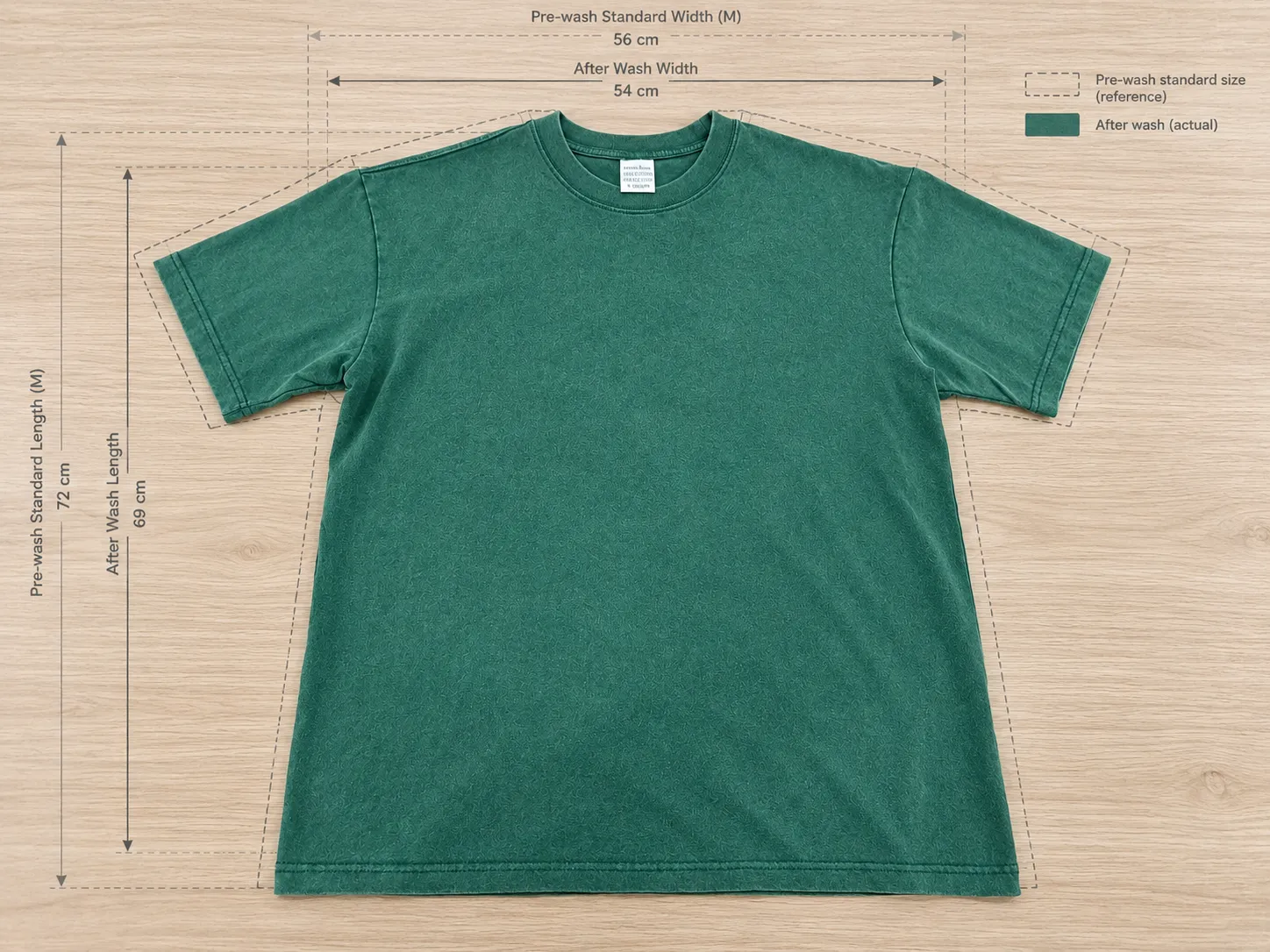
Shrinkage & Wash Response
Compare garment length, width, neckline, sleeve proportion, surface appearance, and handfeel after washing to confirm the approved size and overall form remain recognizable.

Decoration Placement & Surface Appearance
Confirm print, embroidery, or transfer placement, scale, color, edge quality, and fabric reaction so the decoration remains aligned with the approved garment proportion and surface.
Explore T-Shirt Reference Styles
The same T-shirt direction can support different collection roles. These examples show how everyday, lifestyle, fashion, streetwear, and performance priorities can lead to different product expressions.

Everyday Essentials
Clean, versatile T-shirt directions for core collections, familiar product language, and repeat programs where consistency matters.

Smart Casual & Commuter
Clean, refined T-shirt directions use controlled silhouettes, smoother fabric surfaces, balanced structure, and understated details for polished everyday and workday collections.

Fashion & Streetwear
More expressive directions use silhouette, fabric character, graphic scale, garment finishing, and decoration to create stronger product identity.

Active & Performance
Movement-focused T-shirt directions bring stretch, recovery, seam comfort, lightweight stability, and functional wear requirements into focus.