Silhouette Direction Defines the Dress Proportion
Knit dress development starts with the intended silhouette and product role. Body ease, waist definition, skirt volume, finished length, and movement should be aligned before fabric behavior and construction details are refined.
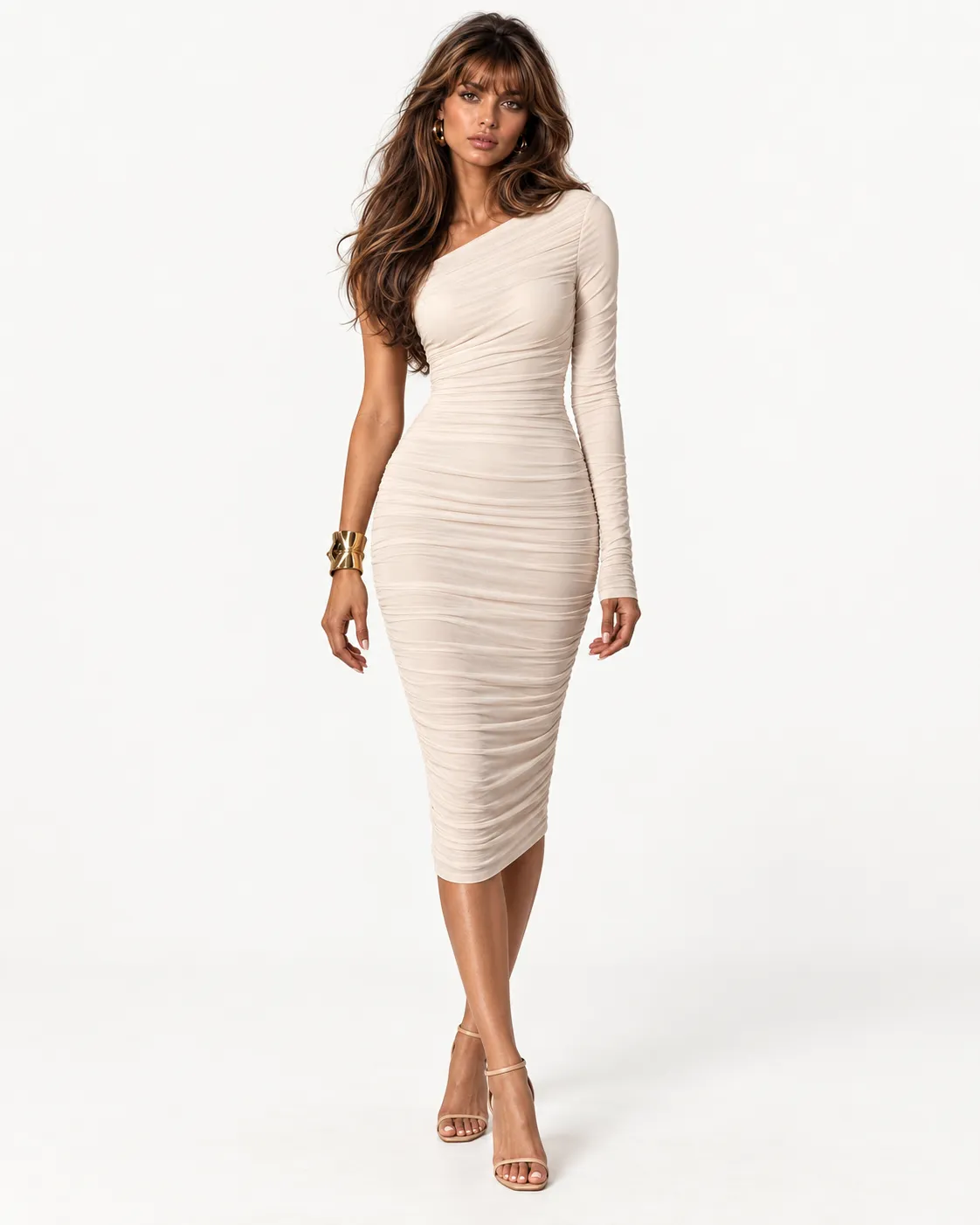
Bodycon
A close-fitting silhouette follows the body line more directly, placing greater importance on controlled ease, proportion, seam placement, and finished length.

Straight & Column
A straighter vertical line uses controlled body ease and limited flare to create a clean silhouette where shoulder, waist, and hem proportions need to remain balanced.
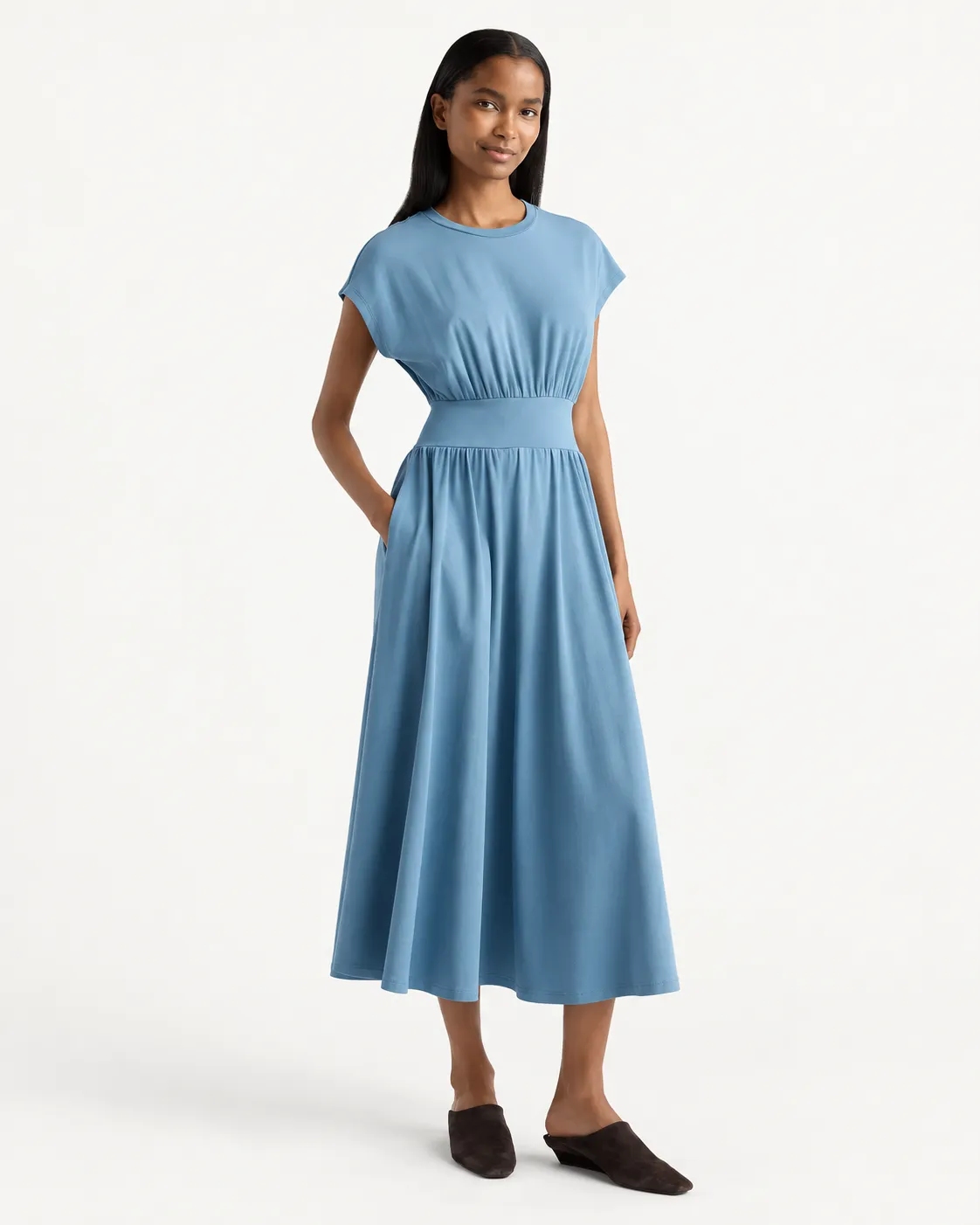
A-Line
A fitted or semi-fitted upper body transitions into increasing skirt volume, requiring balanced waist definition, controlled flare, and hem proportion.
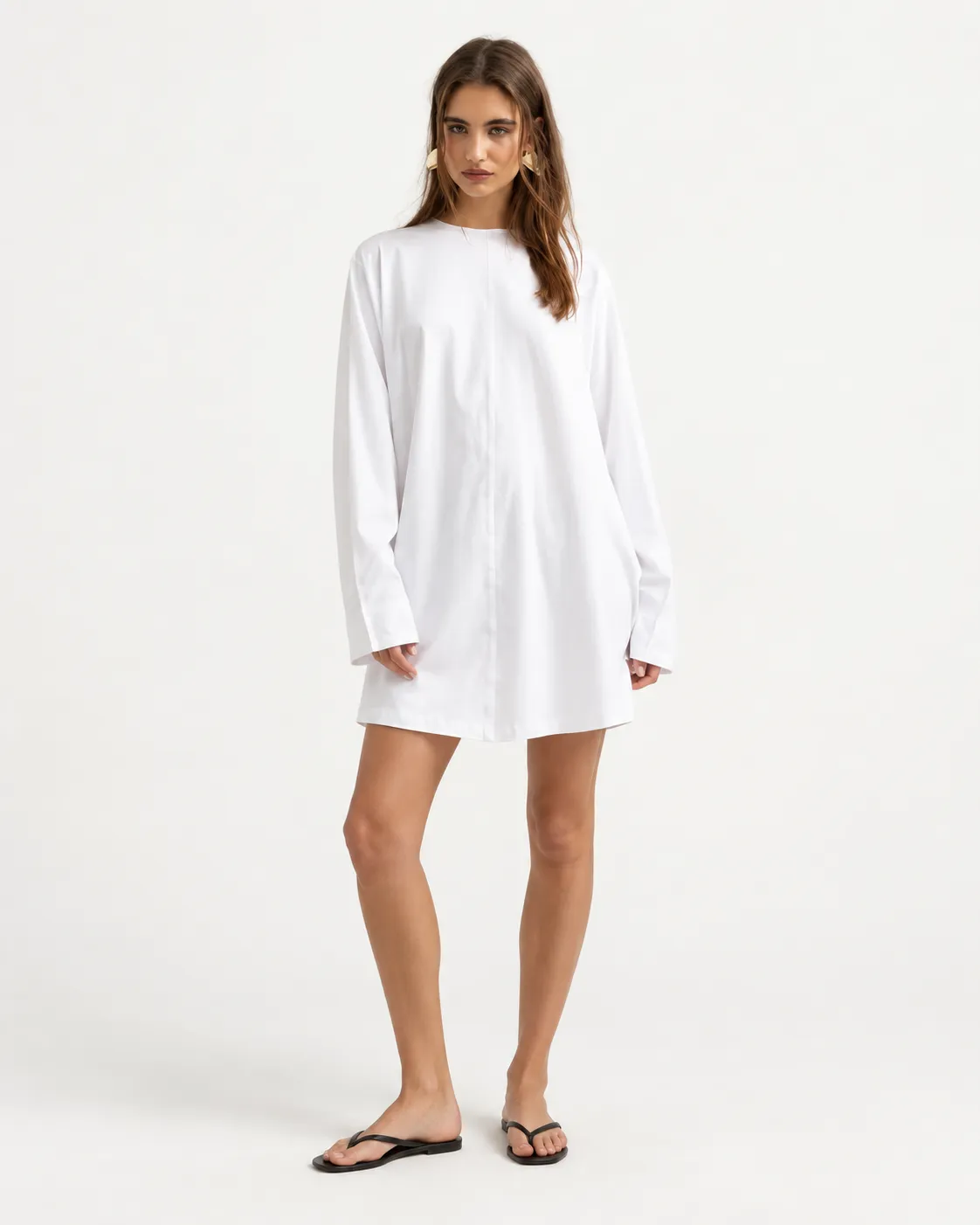
Relaxed & Flowing
Added body ease and softer volume create freer movement, with overall proportion, skirt fullness, and finished length defining how relaxed the dress should feel.
Fabric Direction Shapes How the Dress Falls, Holds and Moves
Knit dress development depends on more than fiber composition. Fabric structure, weight, stretch, recovery, drape, and surface character determine whether a dress should flow softly, hold a cleaner shape, contour the body, or create a richer visual finish.

Fluid Viscose & Modal Jersey
Soft Drape & Fluid Movement
Lightweight to midweight viscose and modal jerseys create a softer fall and more fluid movement, making them suitable for draped, gathered, relaxed, and body-skimming dress silhouettes.
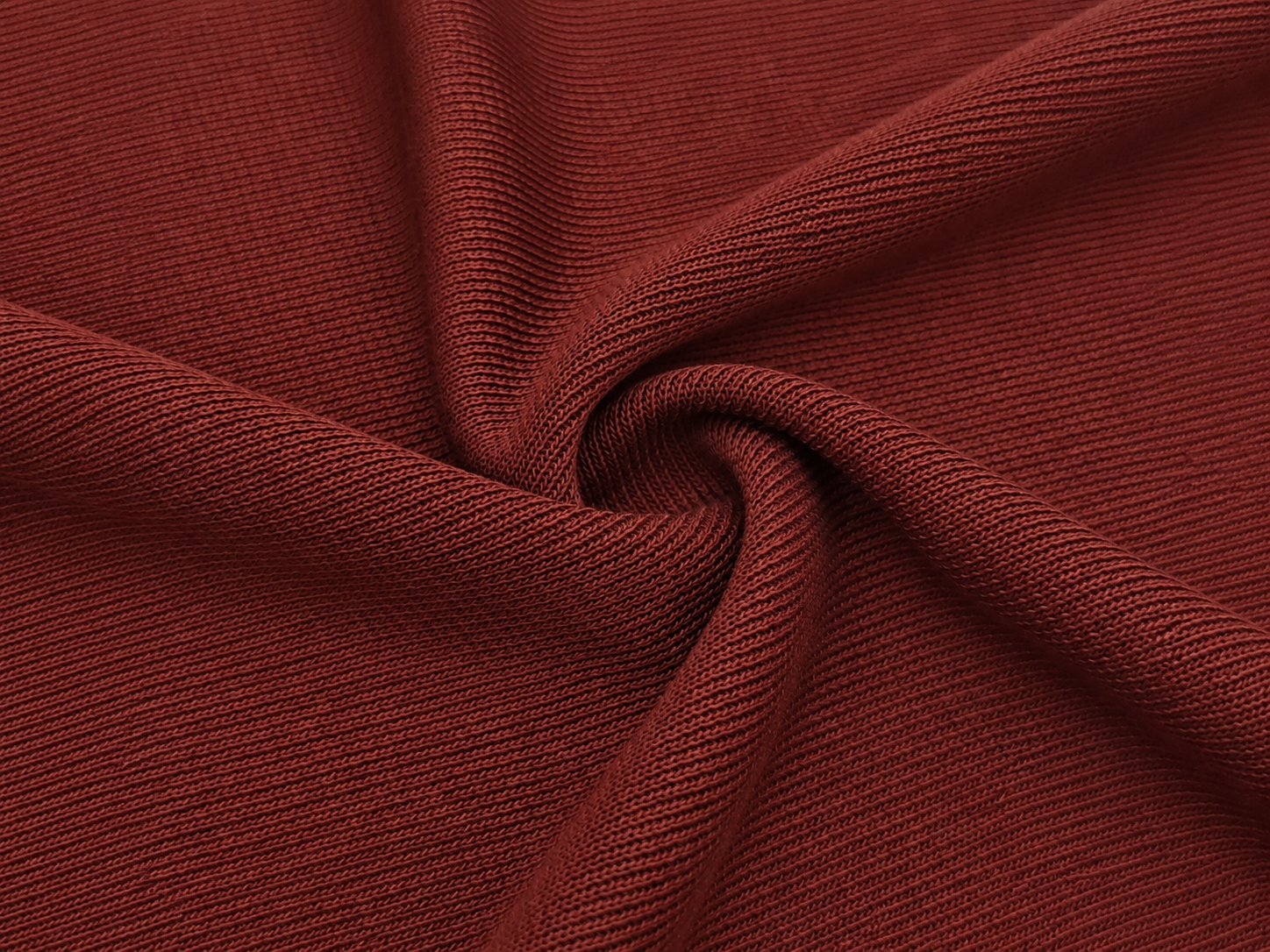
Compact Double Knit & Interlock
Structure & Shape Support
Denser double-knit and interlock structures provide greater stability, coverage, and shape support, helping clean column, A-line, and more sculptural silhouettes hold their intended proportion.
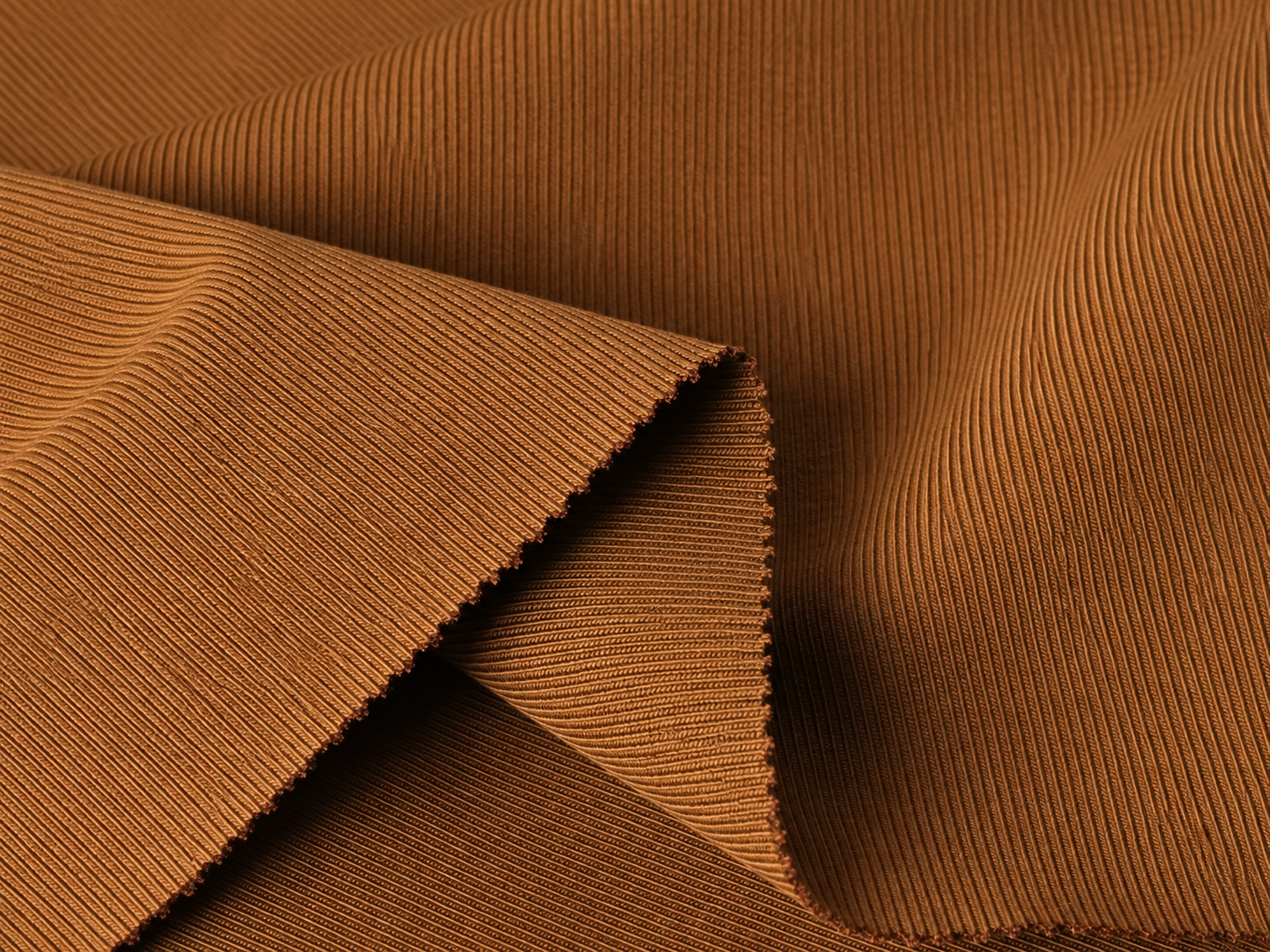
Fine Rib & Stretch Rib Jersey
Contour & Recovery
Fine rib structures combine visible vertical texture with stretch and recovery, making them suitable for closer-fitting dresses where body contour, fit retention, and controlled ease are important.

Stretch Velvet & Velvet Jersey
Surface Depth & Controlled Luster
Stretch velvet and velvet jersey introduce deeper surface character and controlled sheen while maintaining enough flexibility for fitted, ruched, draped, and occasion-oriented dress silhouettes.
Construction Details Shape the Finished Dress
Key construction areas need to support the intended silhouette and fabric behavior while remaining stable through fit review and pre-production approval.
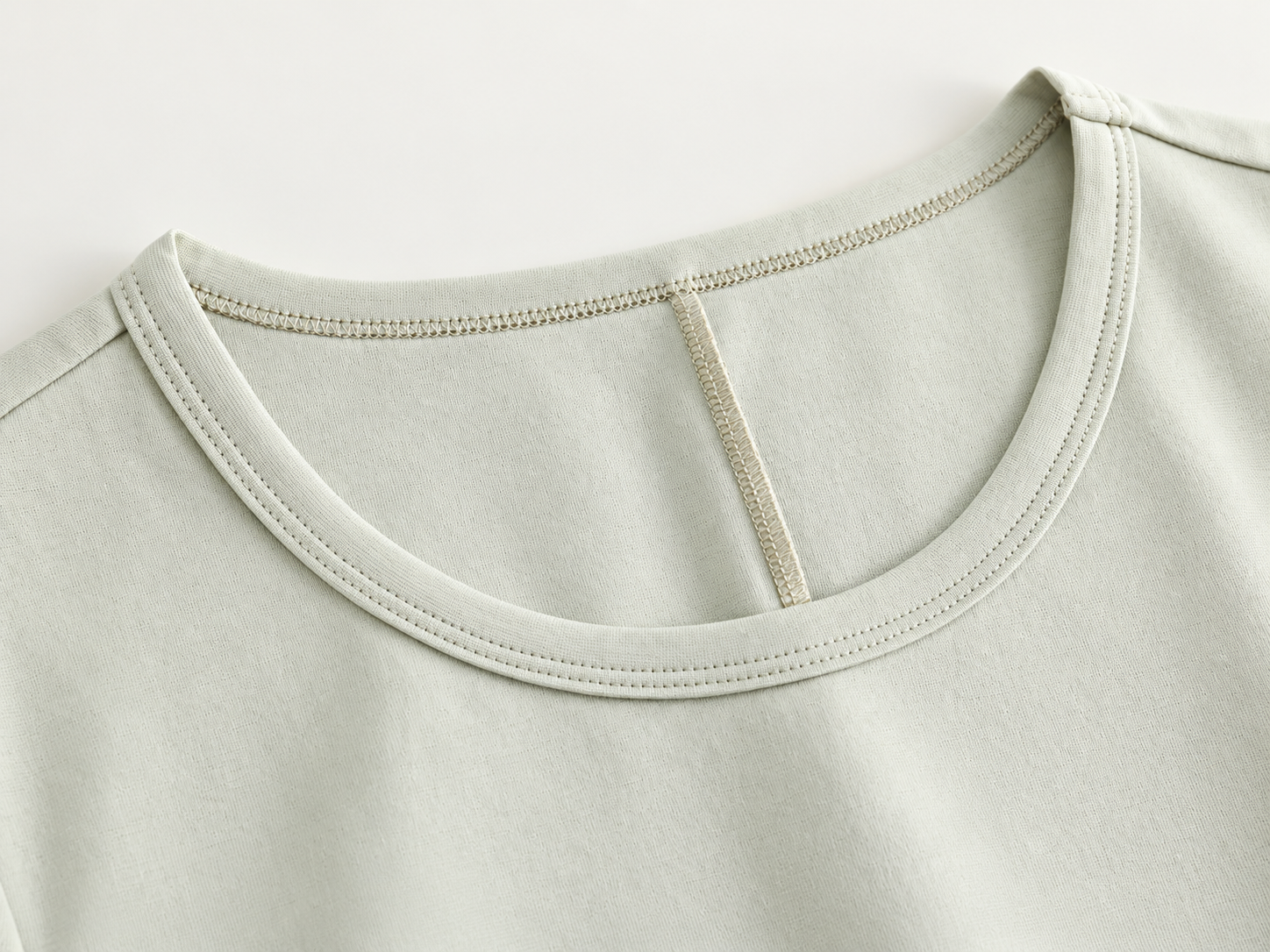
Neckline & Shoulder
Neckline shape, shoulder balance, seam placement, and edge finishing should remain clean and stable without stretching, twisting, or distorting the intended upper-body proportion.
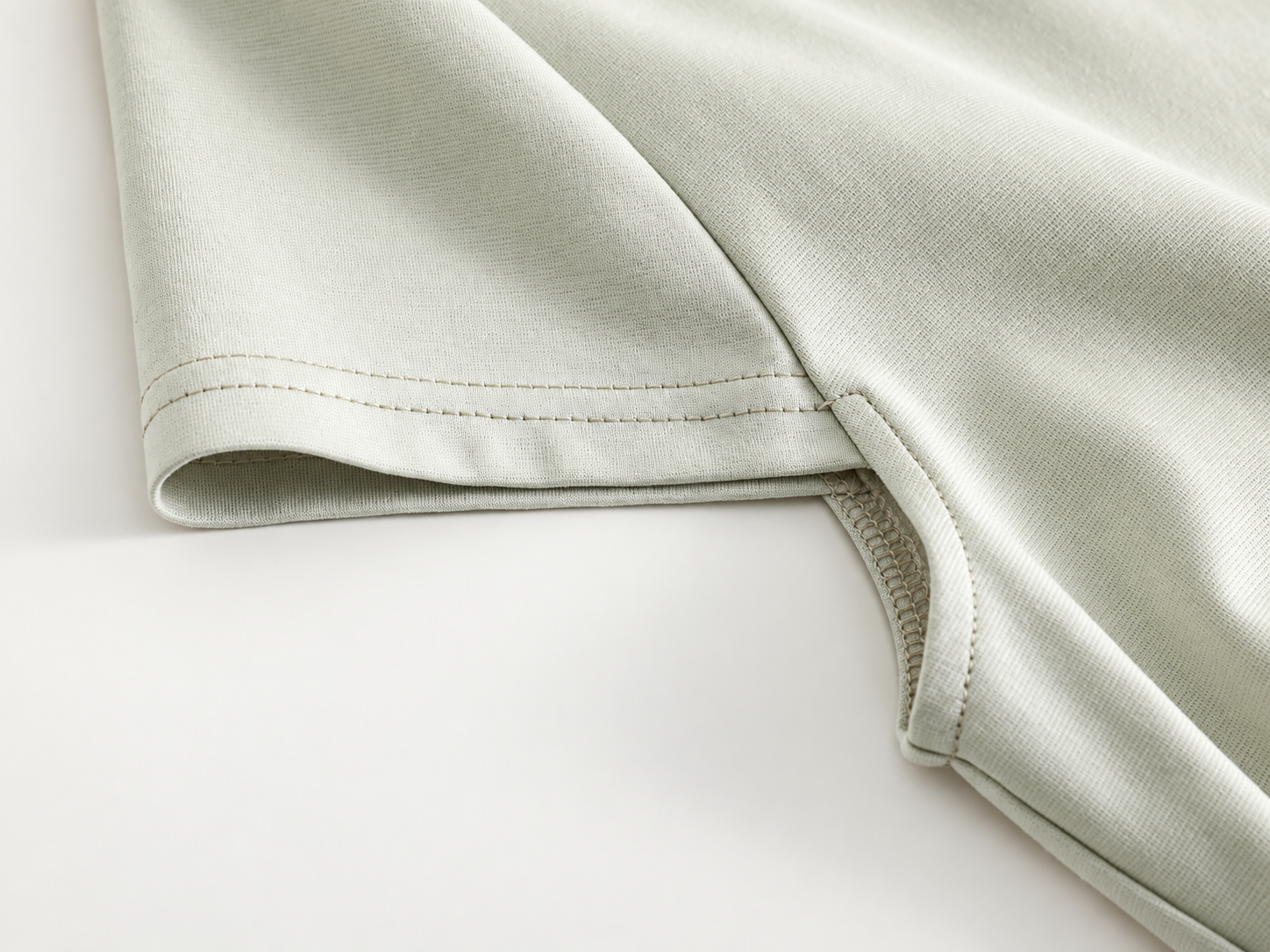
Armhole & Sleeve
Armhole shape, sleeve volume, opening finish, and underarm construction should support natural movement without pulling, gaping, or creating excess tension around the upper body.
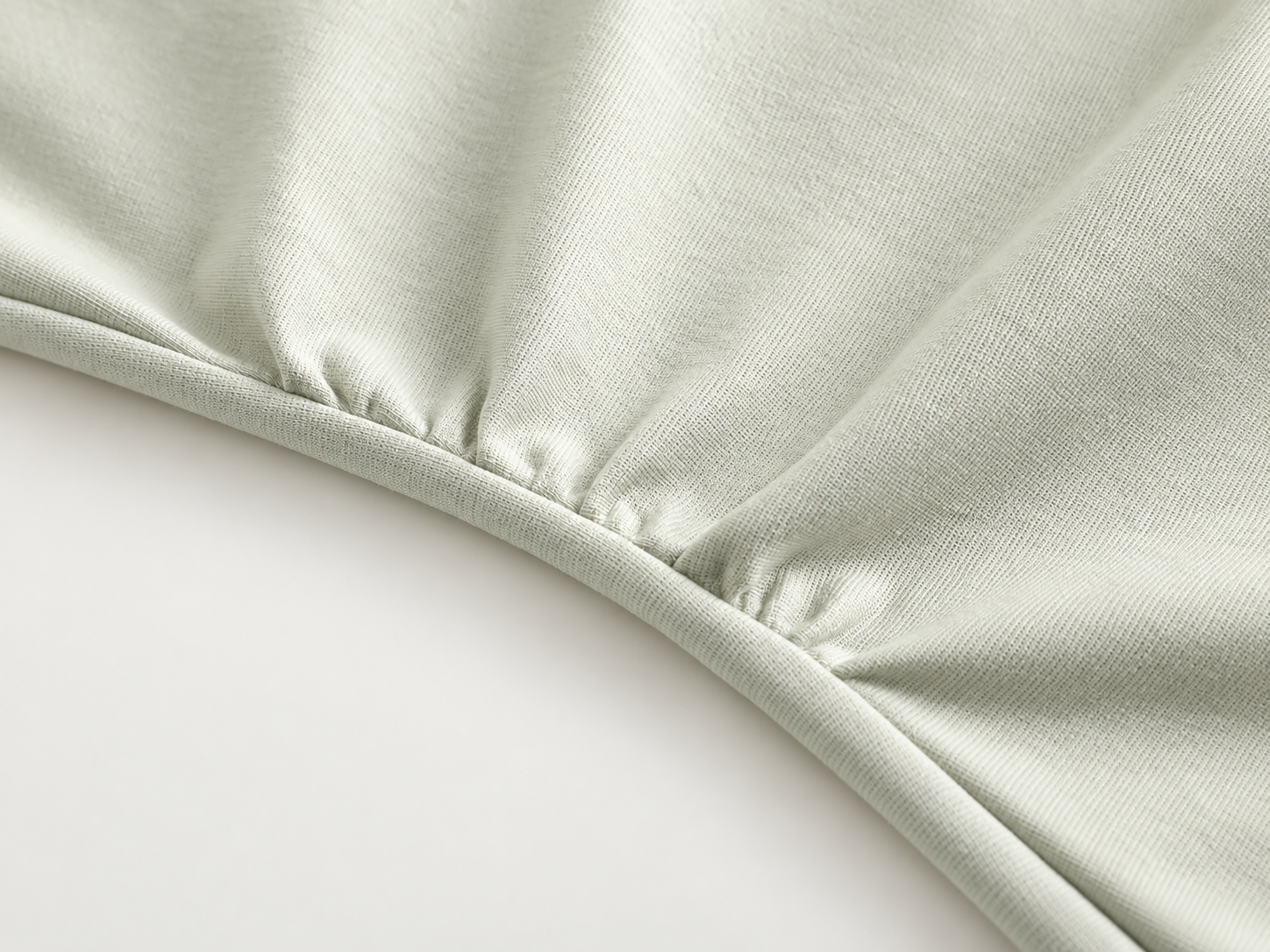
Waist & Body Shaping
Waist placement, body ease, gathering, and shaping seams need to create the intended fit while maintaining balanced proportions and consistent distribution through movement.

Side Seam, Slit & Pocket
Side seams, slits, openings, and pockets should move with the fabric without pulling the garment out of line, distorting openings, or weakening higher-stress areas.
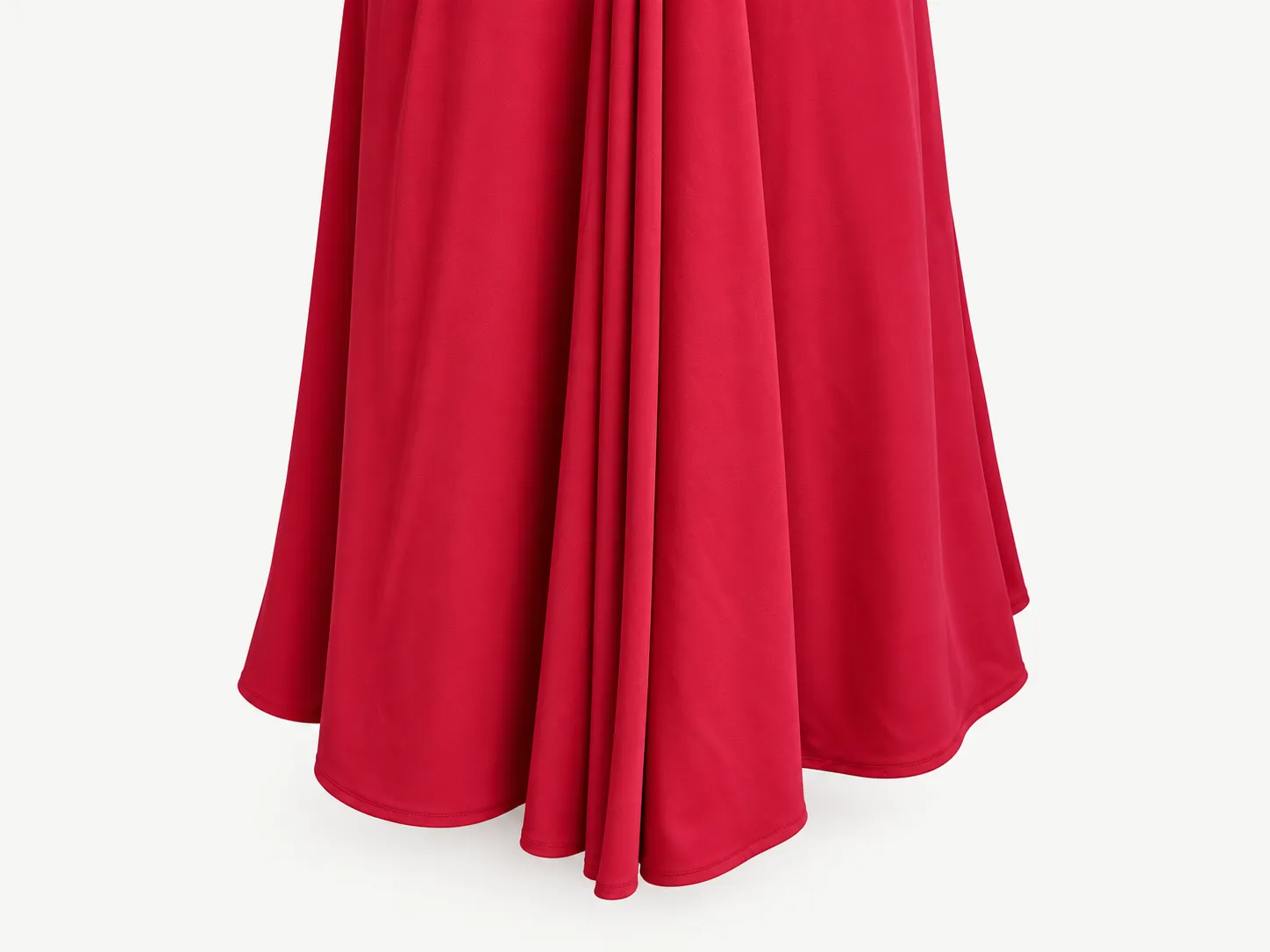
Hem & Finished Length
Hem construction and finished length should support the intended proportion and fall while remaining level, stable, and free from unwanted curling, waviness, or distortion.
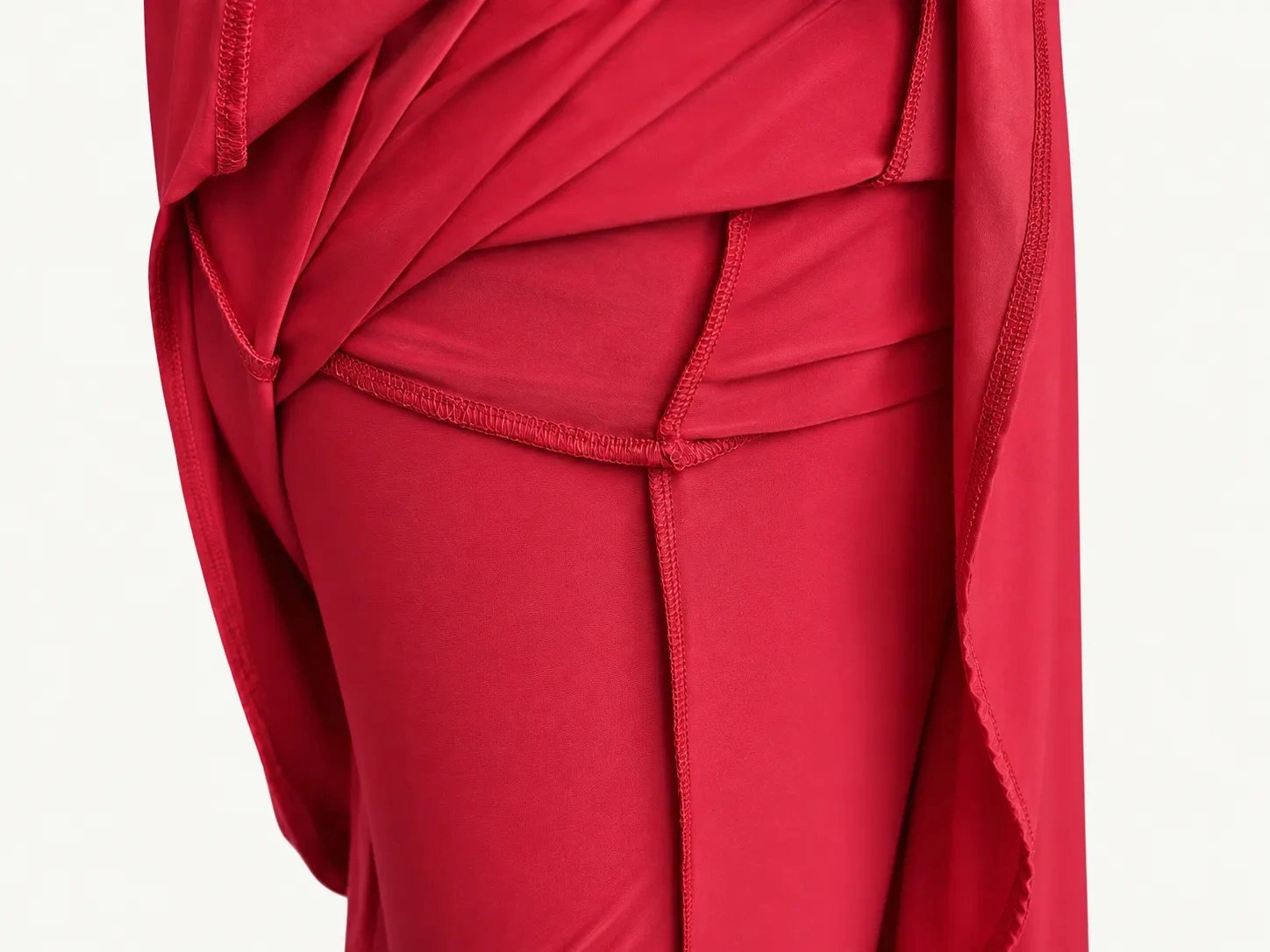
Coverage, Lining & Layering
Fabric opacity, stretch, dress length, and intended fit should determine whether lining or double-layer construction is needed without introducing unnecessary weight, bulk, or movement restriction.
Before bulk production, these details should remain aligned with the approved silhouette, material behavior, fit, movement, and finished garment standard.
Explore Knit Dress Reference Styles
Knit dresses can support very different collection roles. These examples show how everyday, refined, resort, and fashion priorities can lead to different silhouette, fabric, construction, and finishing directions.

Everyday & Casual
Comfortable proportions, practical fabric behavior, easy movement, and restrained construction support versatile dresses designed for regular wear and repeat collections.
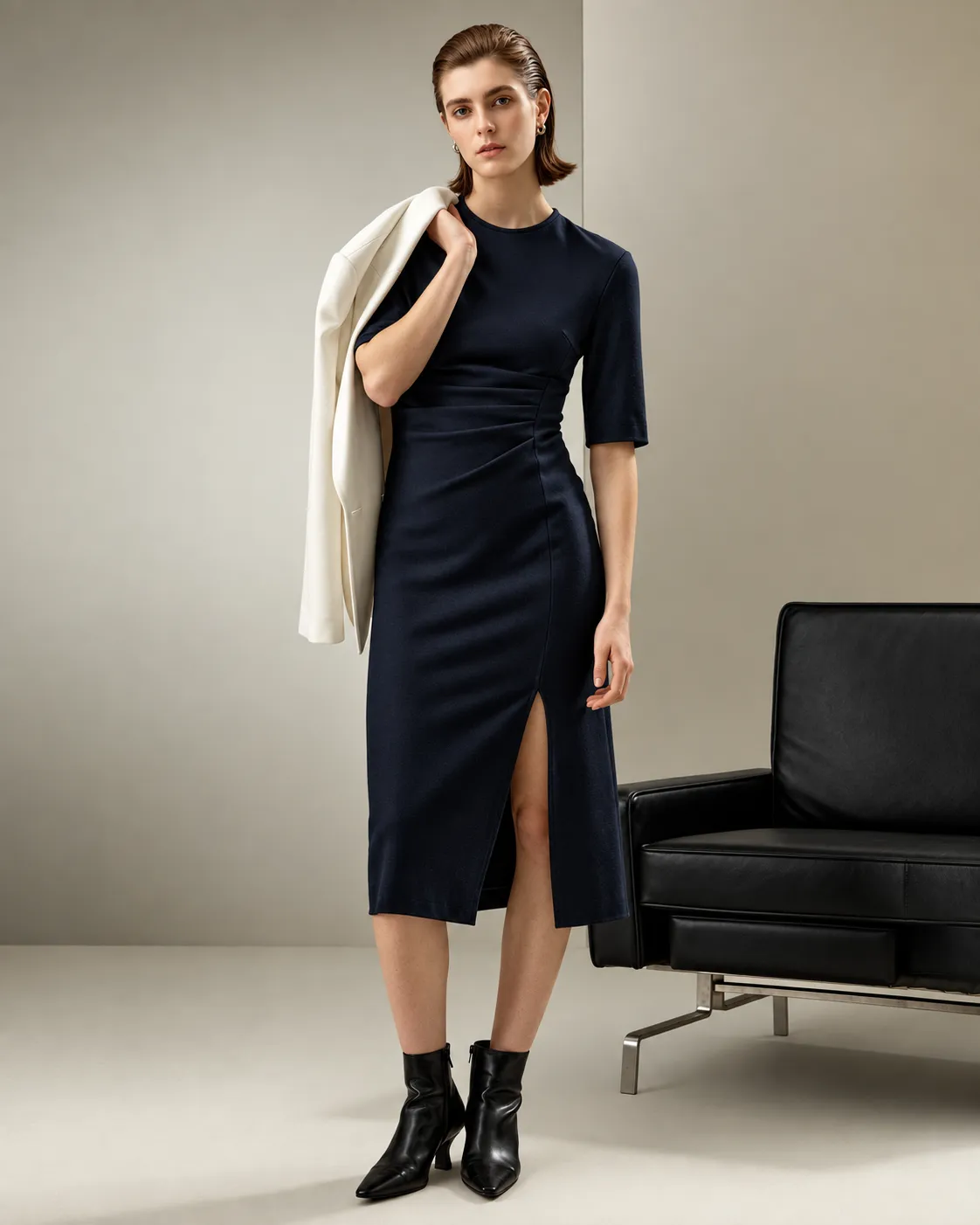
Office & Refined
Cleaner silhouettes, controlled drape, stable coverage, defined proportions, and refined finishing support polished dresses for workwear and elevated everyday collections.
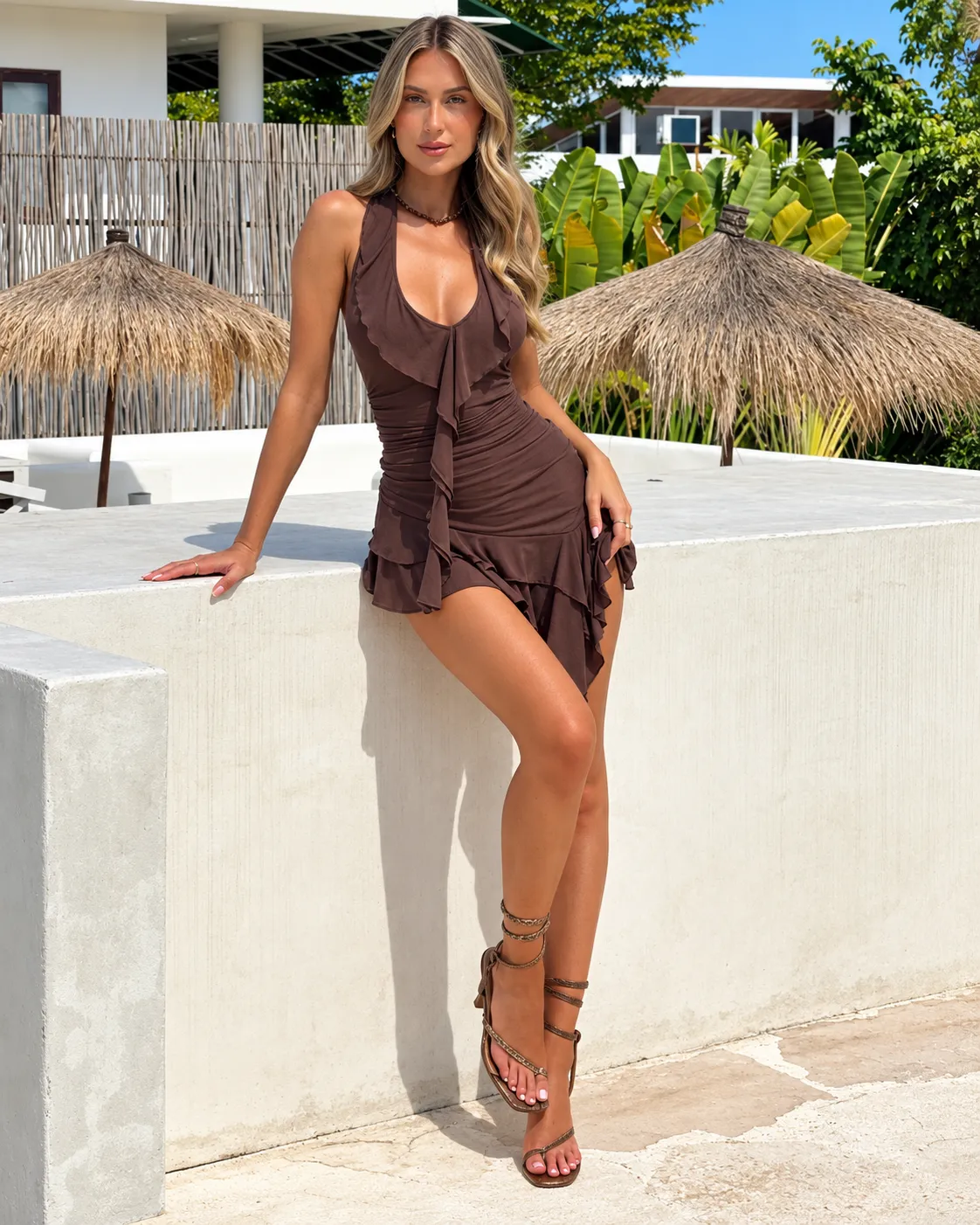
Resort & Travel
Softer drape, relaxed movement, comfortable ease, and lighter visual body support dresses intended for warm-weather, travel, and resort-led collections.
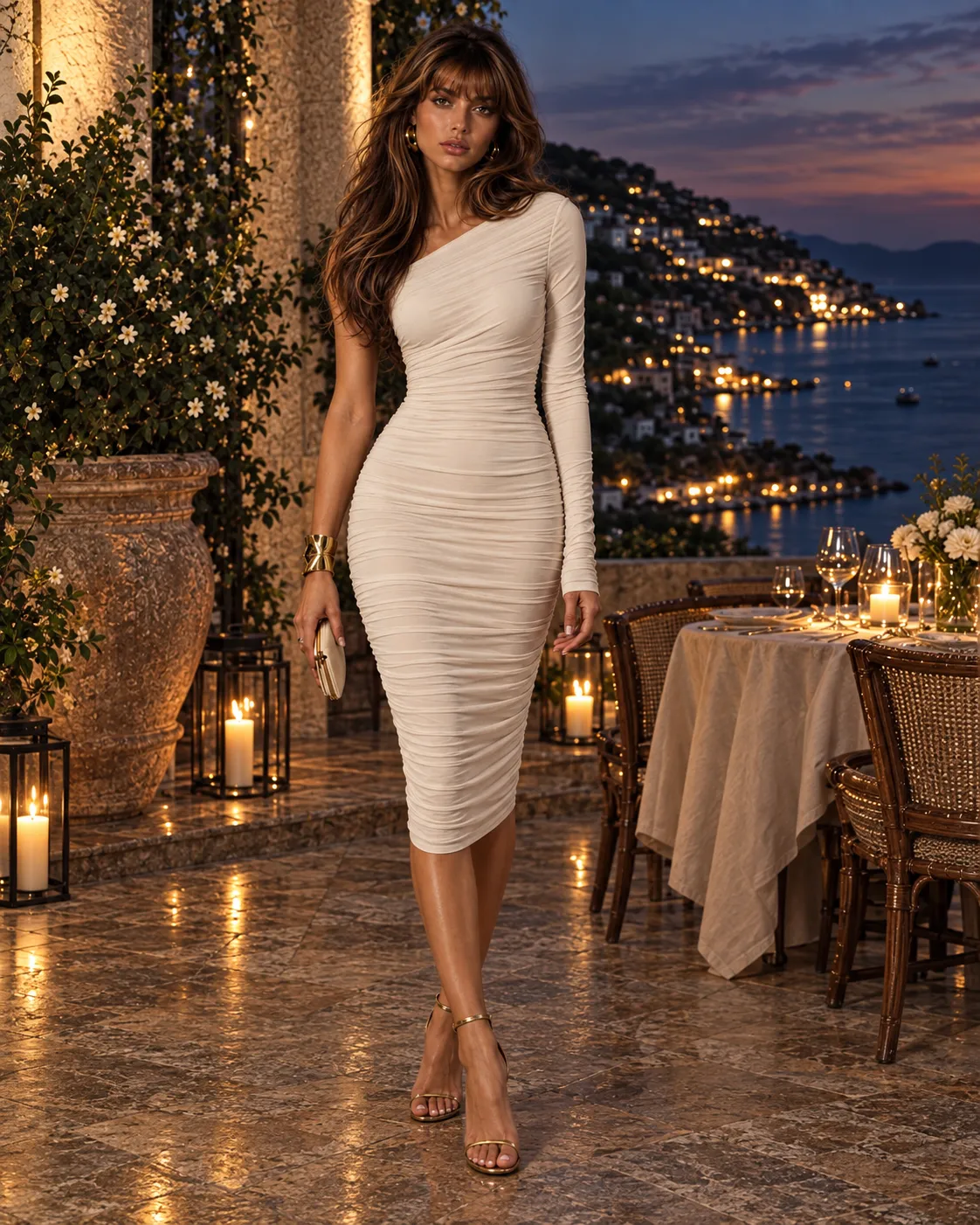
Fashion & Occasion
More expressive silhouettes can combine fitted shaping, openings, drape, surface character, and decoration to create a stronger collection identity.