Pattern Development Responds to Fabric Behavior
Once the material direction is defined, stretch, drape, and expected dimensional change are translated into pattern decisions before cutting and sampling move forward.
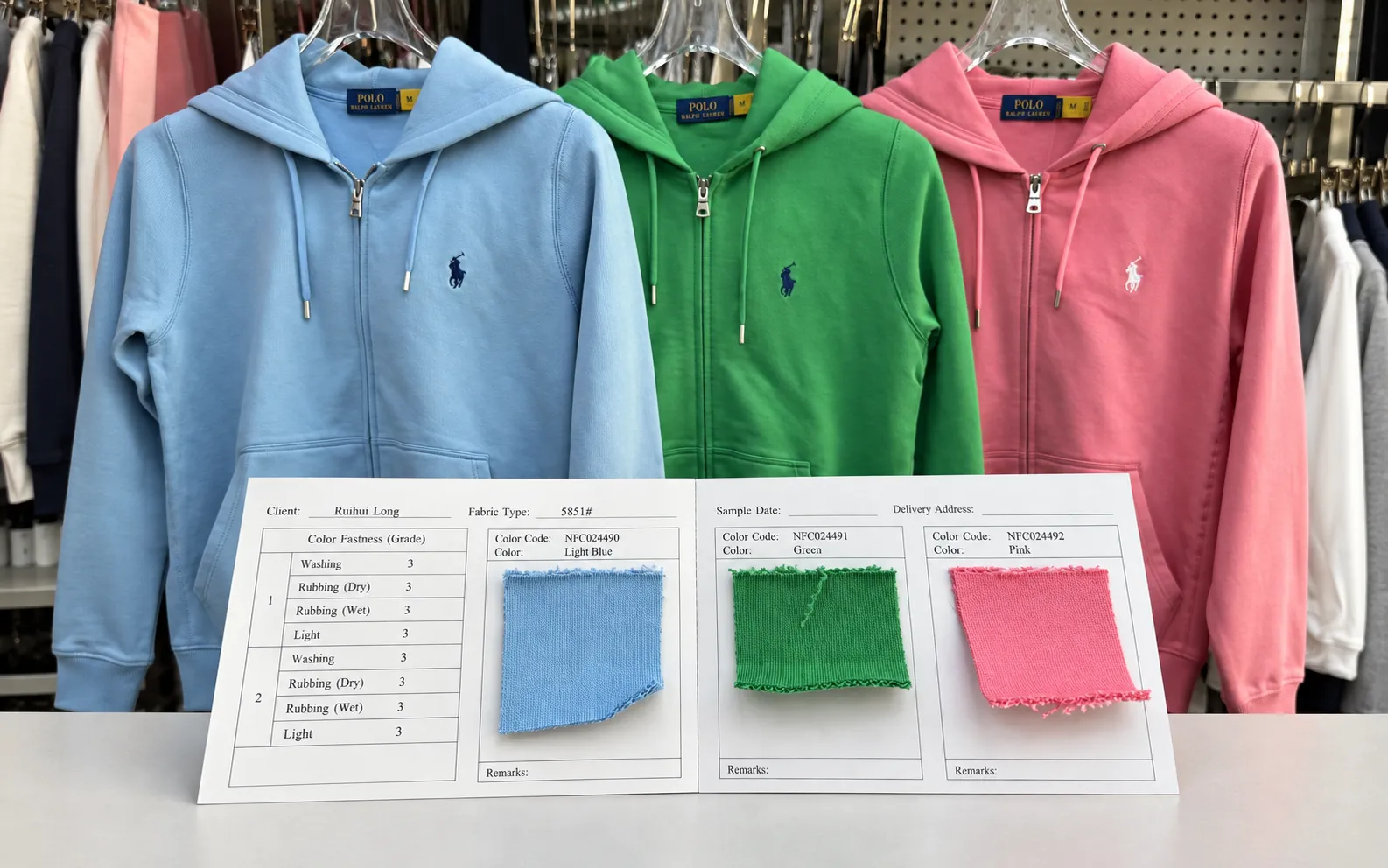
Material behavior is translated into ease, balance, length, and construction dimensions so the pattern works with the selected knit.
Stretch
Stretch behavior informs ease, fitted areas, openings, and how closely the pattern follows the intended silhouette.
Drape
Drape influences garment volume, balance, length, and how the intended silhouette is expected to fall on the body.
Shrinkage
Expected dimensional change is considered when preparing pattern dimensions for sampling and later cutting.
The result is a working pattern basis that can be evaluated for fit, proportion, and construction in the garment sample.
Construction Details Shape the Garment Structure
Necklines, plackets, waistbands, pockets, hems, and panel structures are developed around garment function, proportion, and fabric behavior.
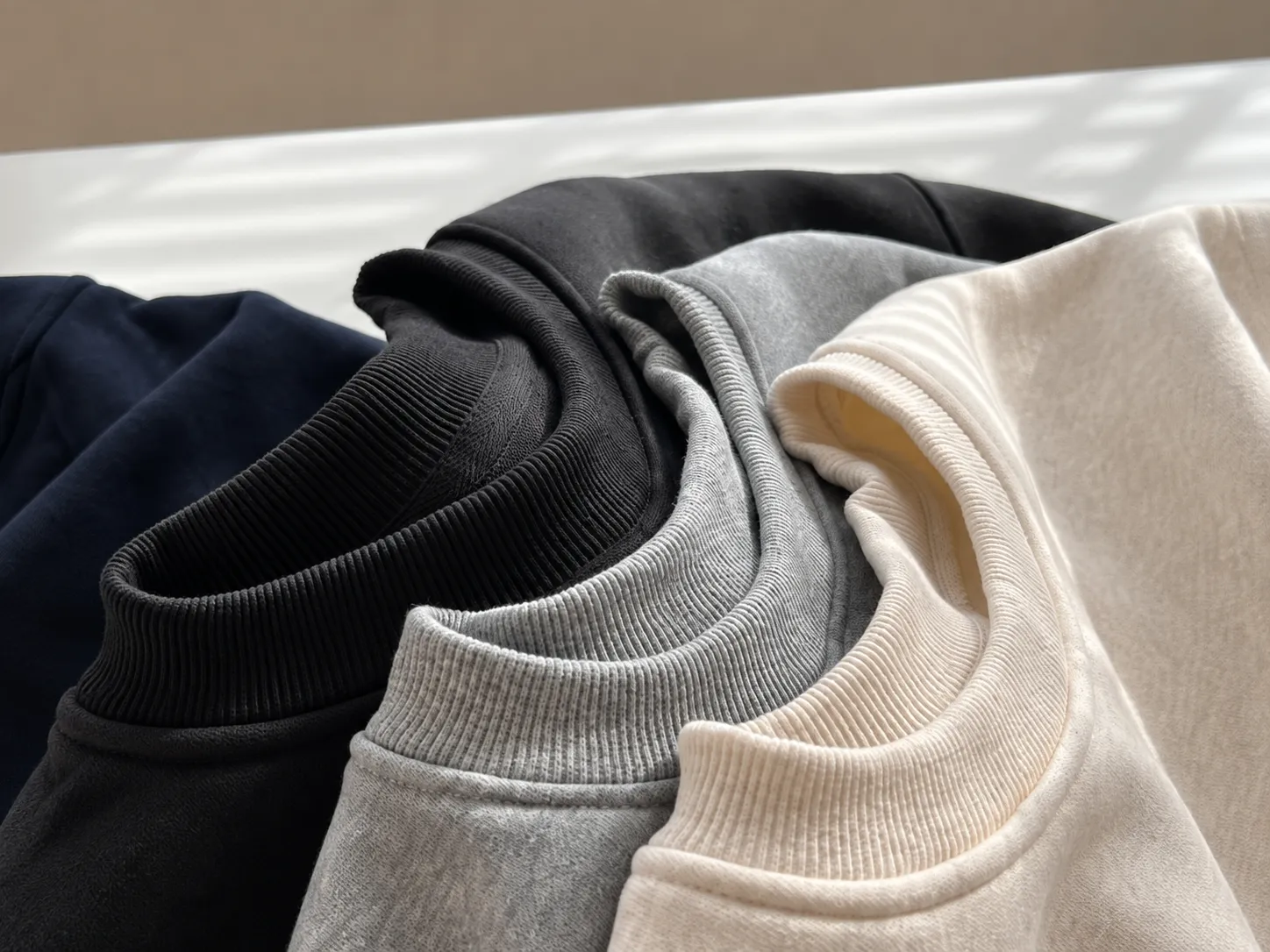
Neckline
Rib, binding, opening depth, and edge structure are developed around fit, fabric recovery, and the intended neckline shape.
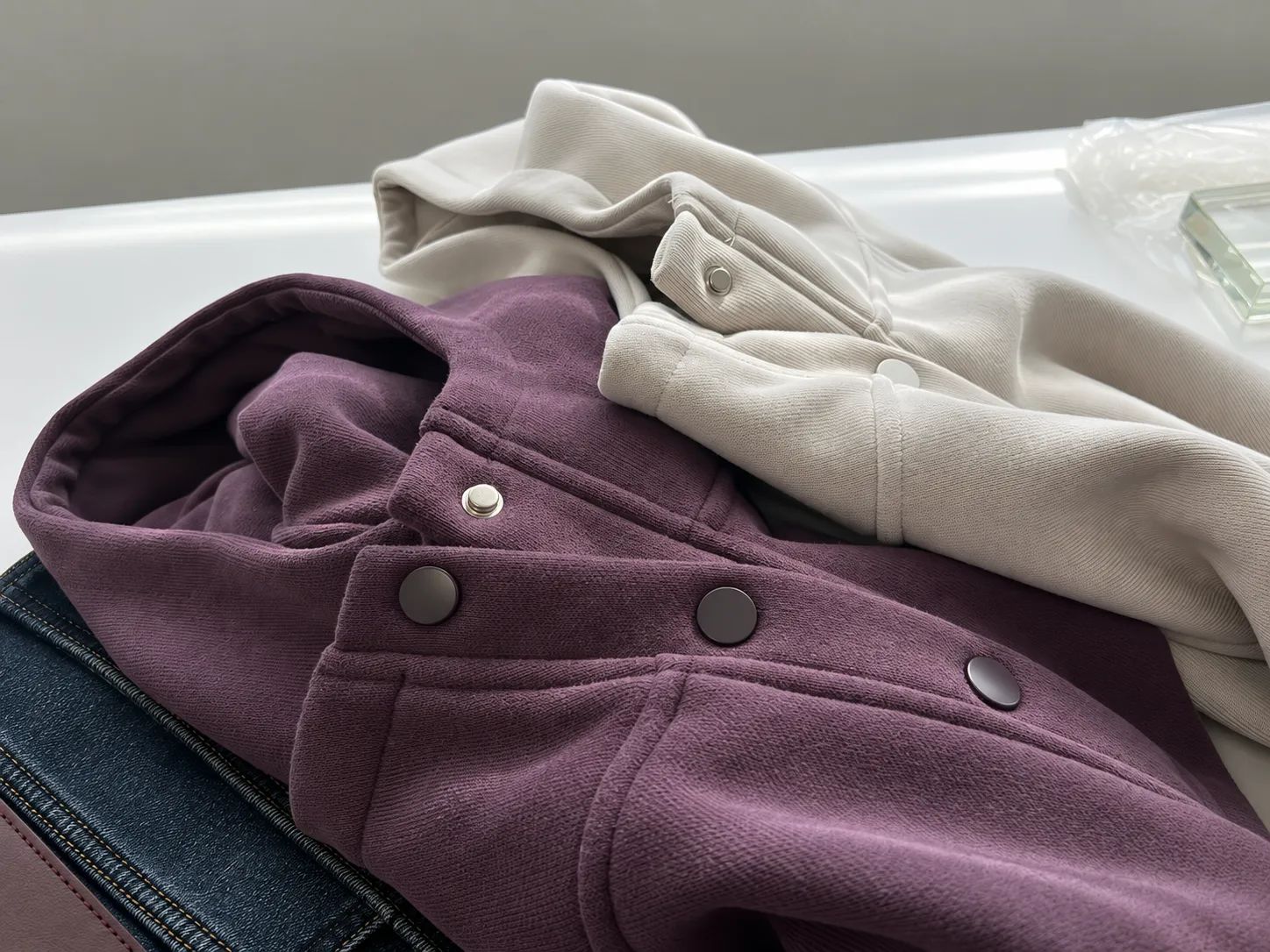
Placket
Length, reinforcement, button position, and layer build-up are defined around the product structure and selected knit.
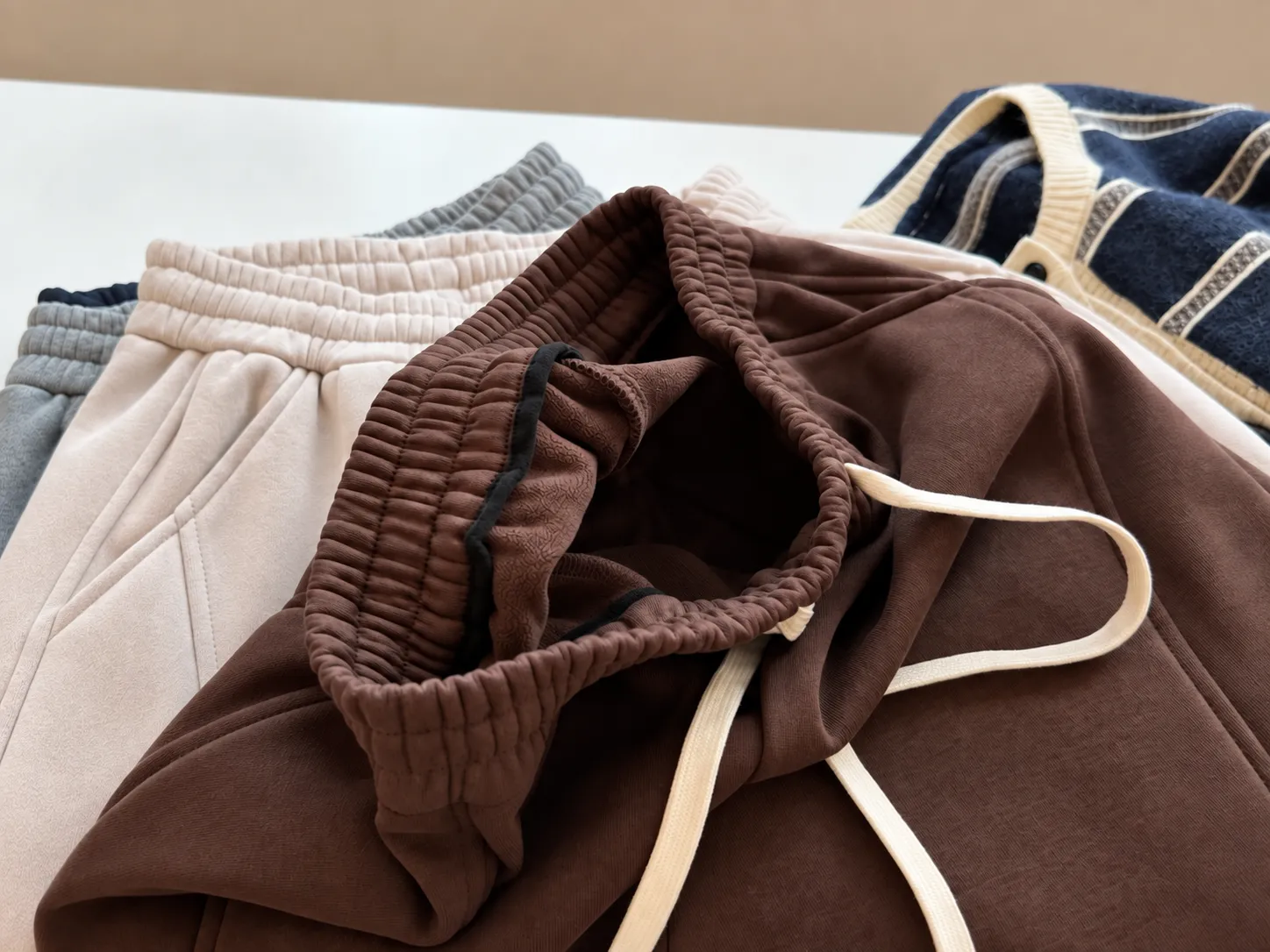
Waistband
Elastic, rib, drawcord, and waistband depth are developed around hold, comfort, recovery, and garment proportion.
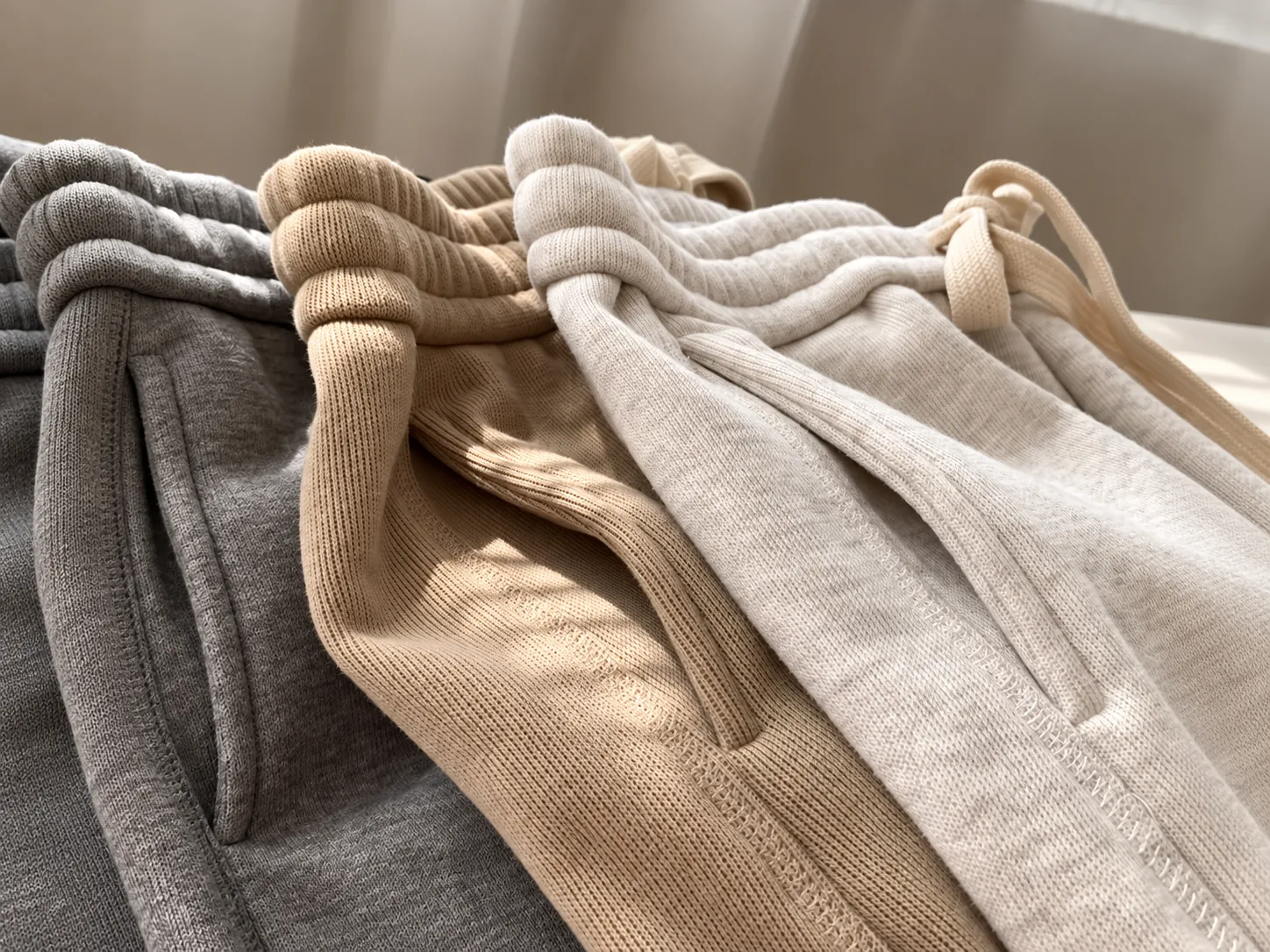
Opening, depth, position, and reinforcement are aligned with access, silhouette, movement, and intended use.
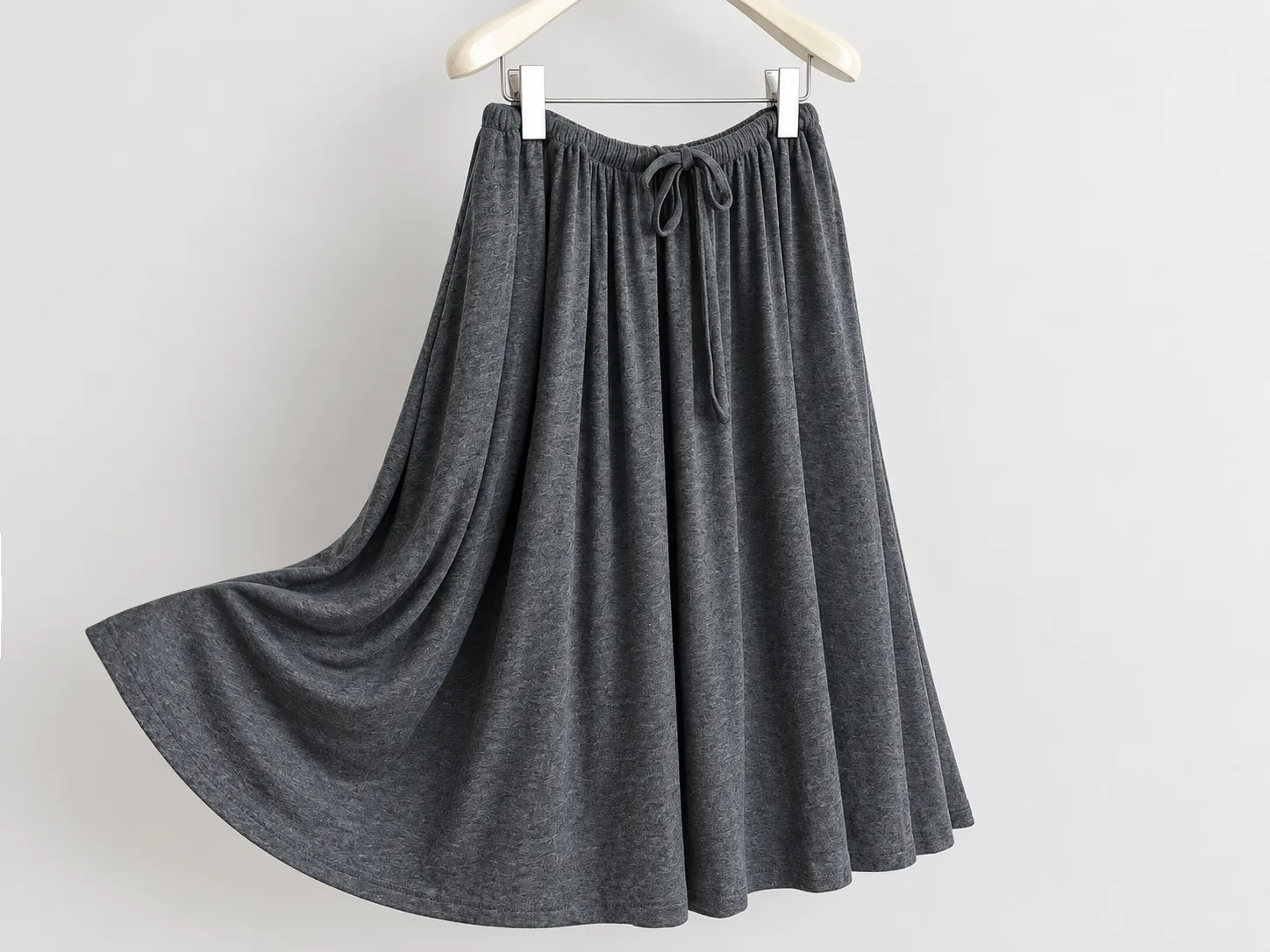
Hem
Hem depth and construction are developed around stretch, drape, edge behavior, and the intended finished appearance.
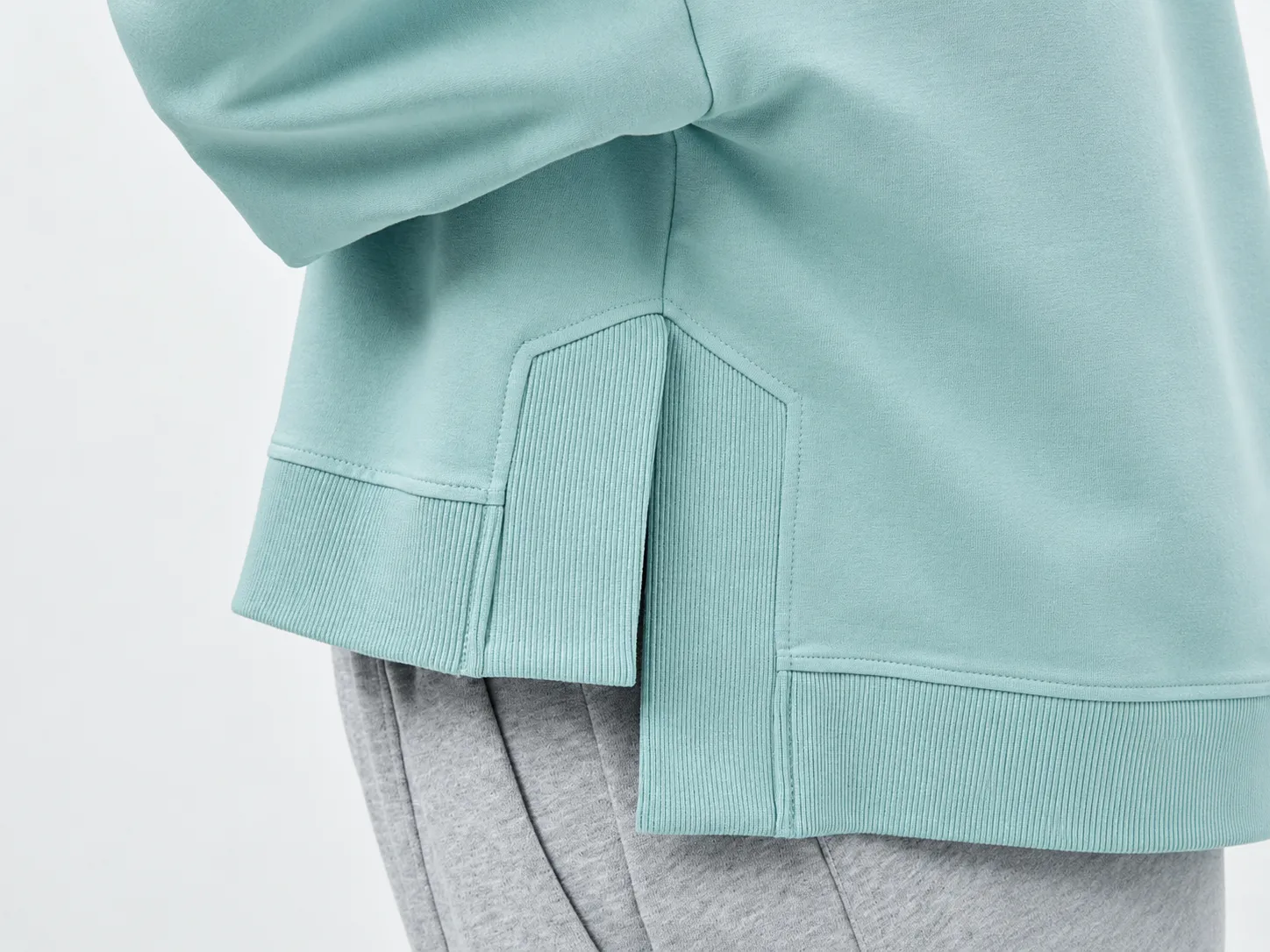
Panels & Seams
Panel shape and seam placement are refined around movement, silhouette, fabric behavior, and construction balance.
Cutting and Seam Alignment Support Garment Stability
Cutting direction, panel matching, seam placement, and sewing tension are aligned so the construction works with the selected knit and the intended garment shape.
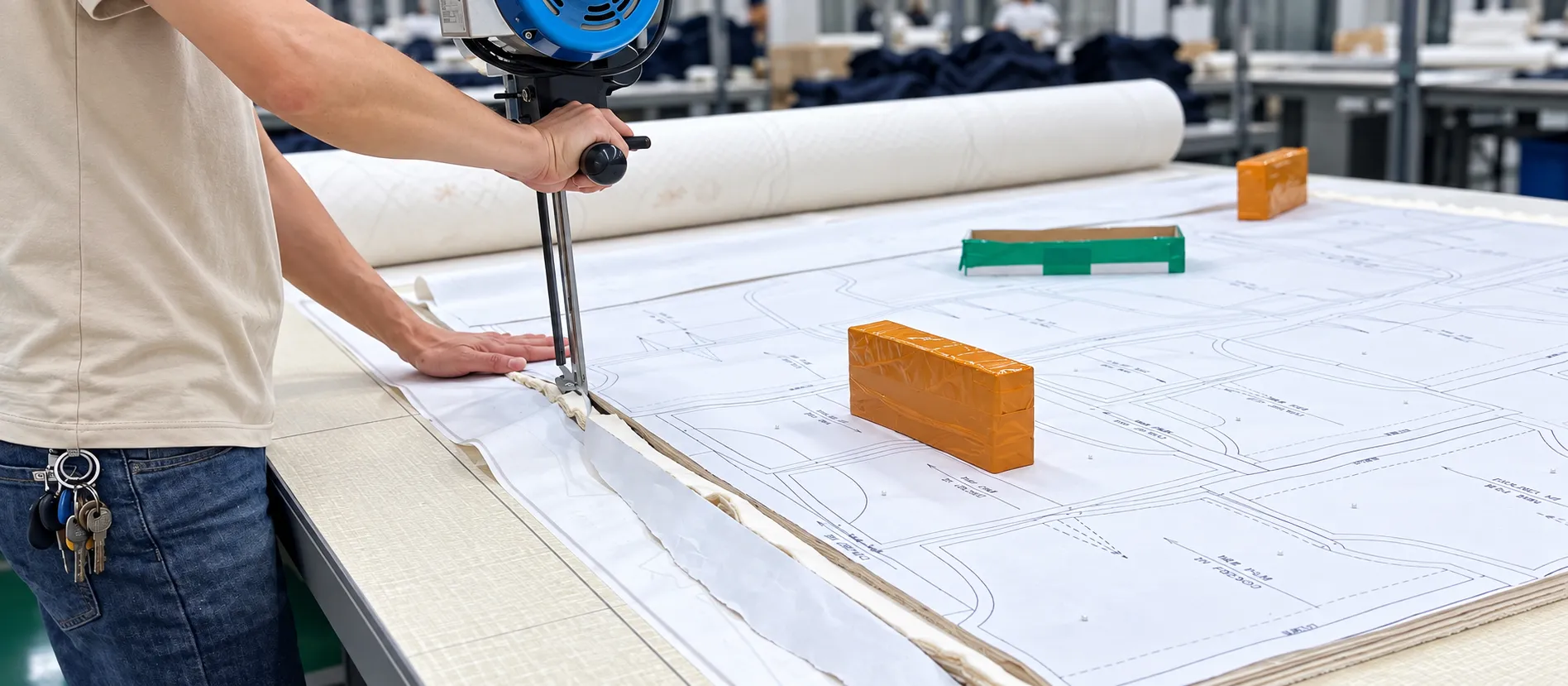
Cutting Direction
Fabric direction is considered so stretch, surface appearance, and garment balance remain aligned with the intended construction.
Panel Matching
Connected panels are aligned for shape, grain direction, and construction continuity before sewing begins.
Seam Placement
Seam position is refined around movement, silhouette, and how construction lines need to sit on the finished garment.
Sewing Tension
Stitch and seam tension are considered against fabric stretch to reduce distortion and maintain the intended construction shape.
Construction References Prepared for Sampling
Pattern, construction, and measurement decisions are organized into working references that can be carried into garment sampling and review.
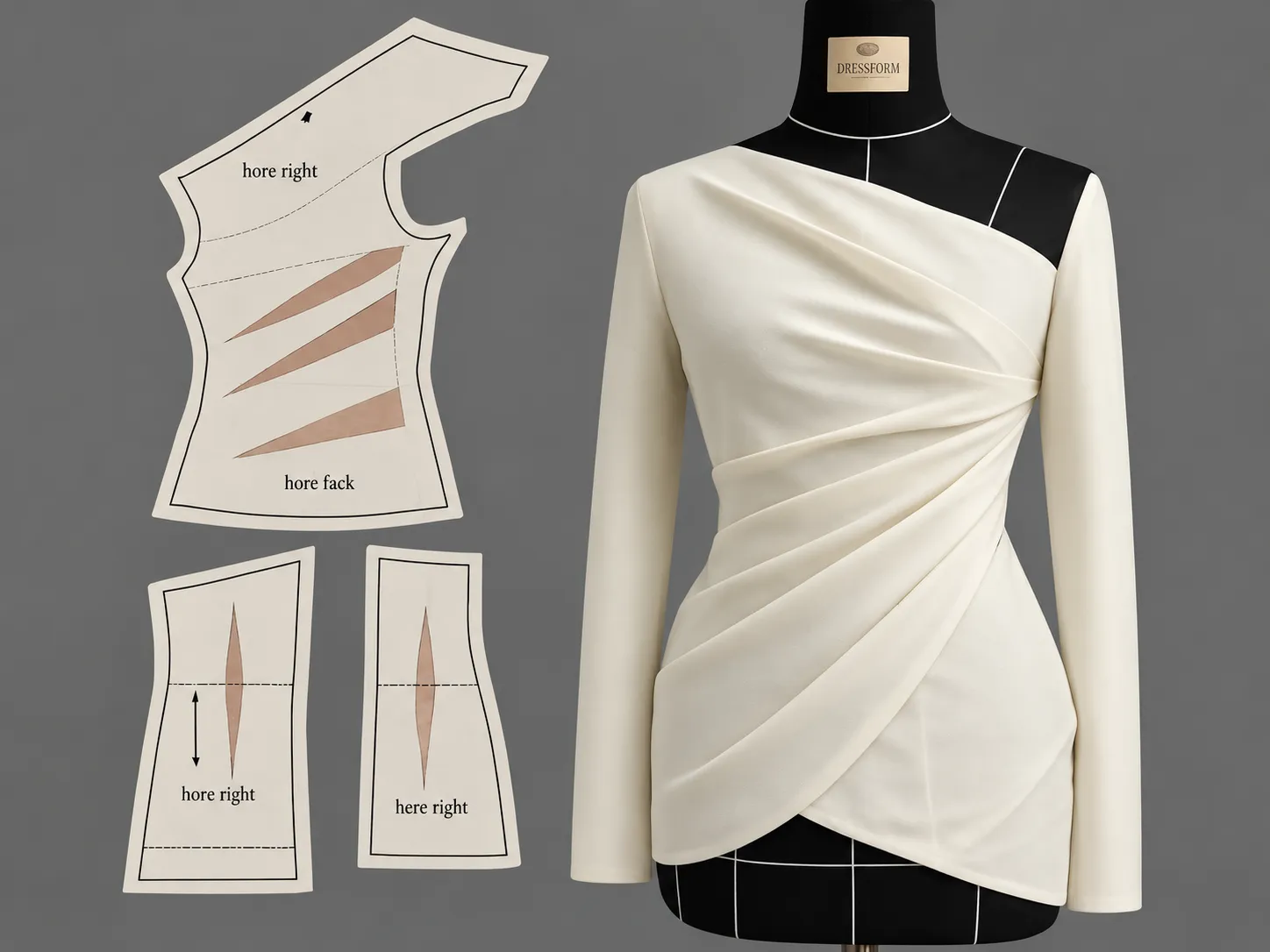
Pattern Reference
The working pattern records silhouette, proportion, key shape decisions, and material-responsive adjustments for sample development.
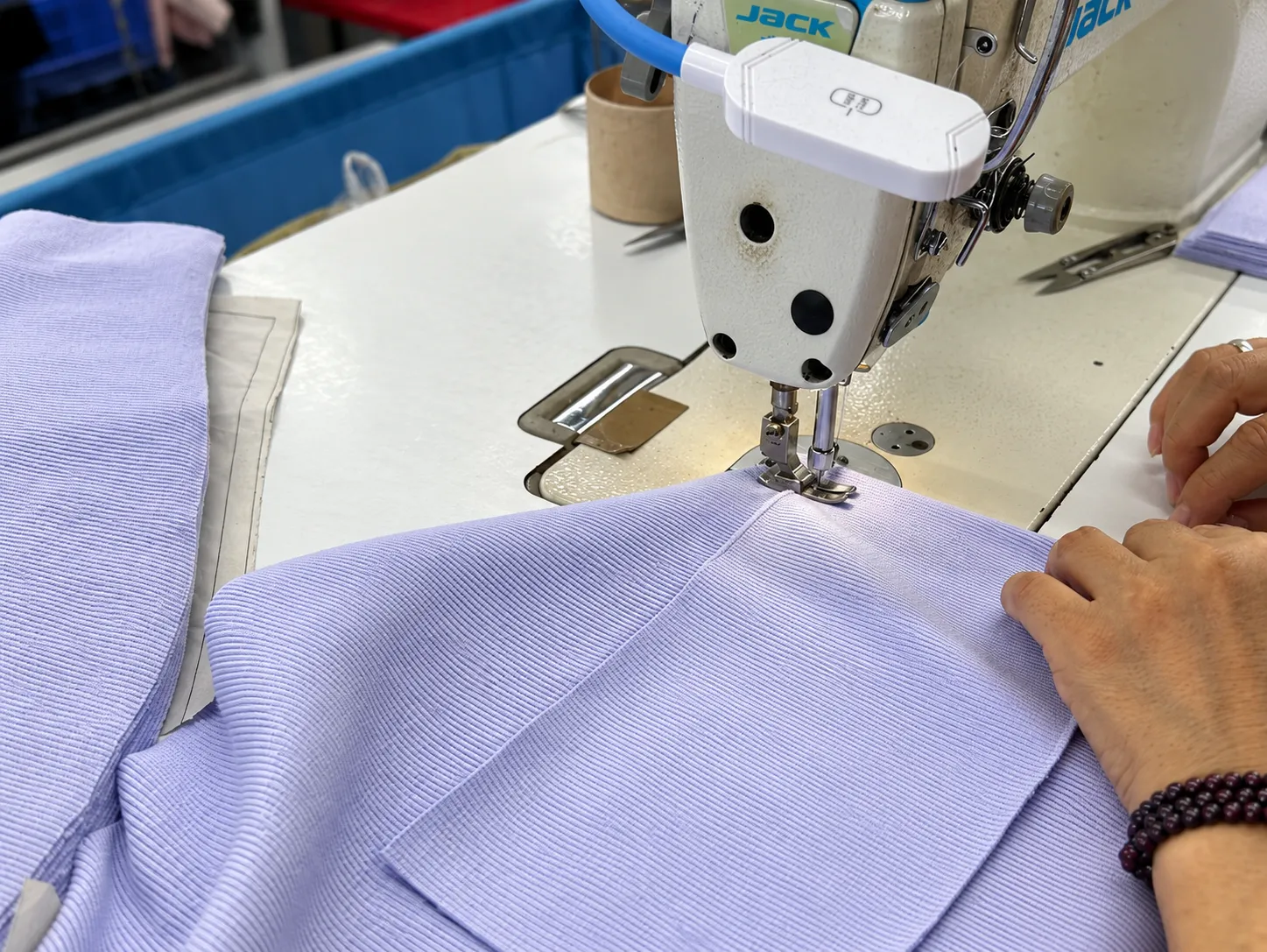
Construction Reference
Garment details, panel relationships, seam positions, and construction methods are organized as the working basis for the sample.
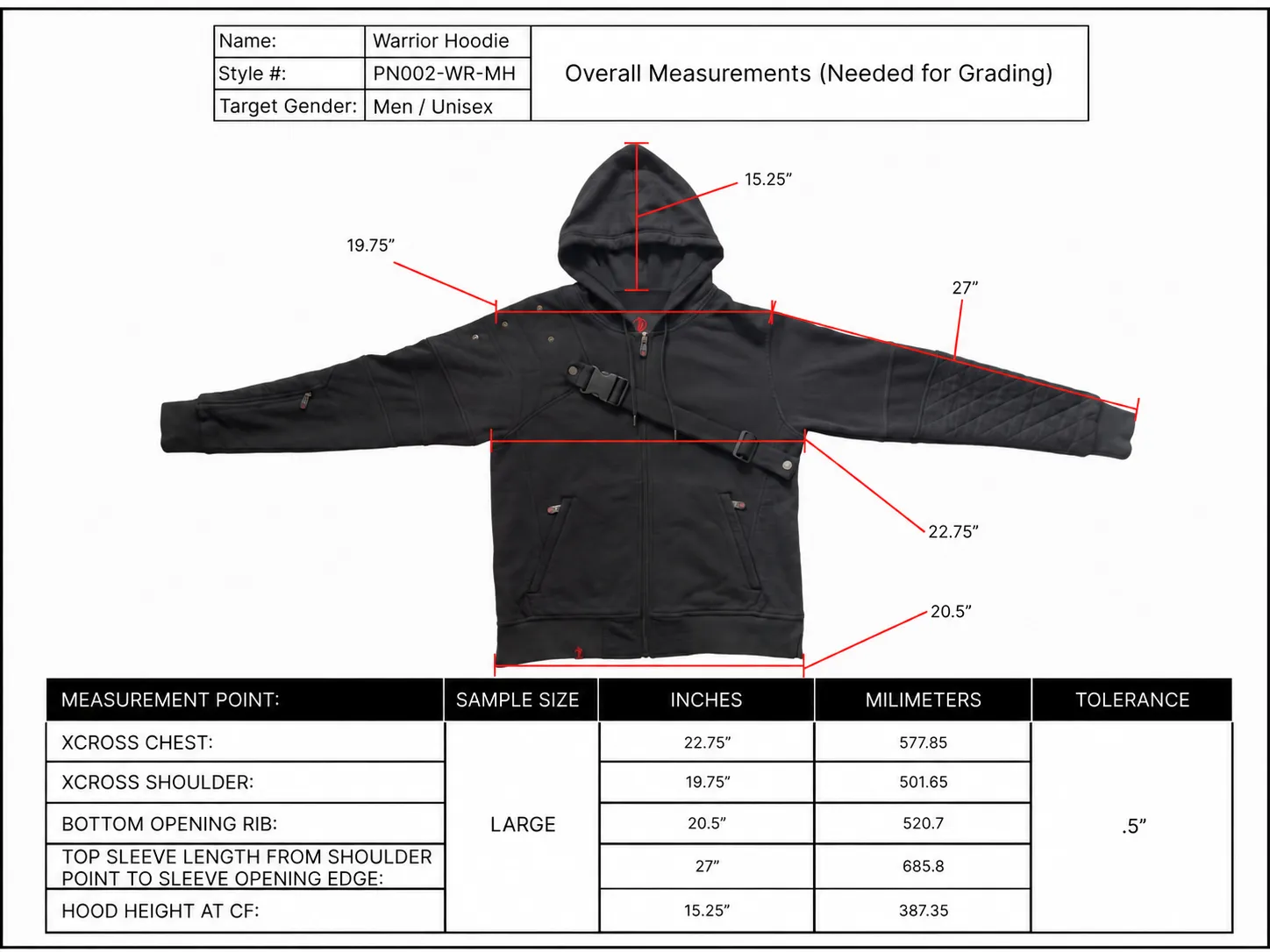
Measurement Reference
Key measurement points and working dimensions provide a shared basis for developing and reviewing the garment sample.
Together, these references give sampling a defined construction basis to prove in the actual garment.