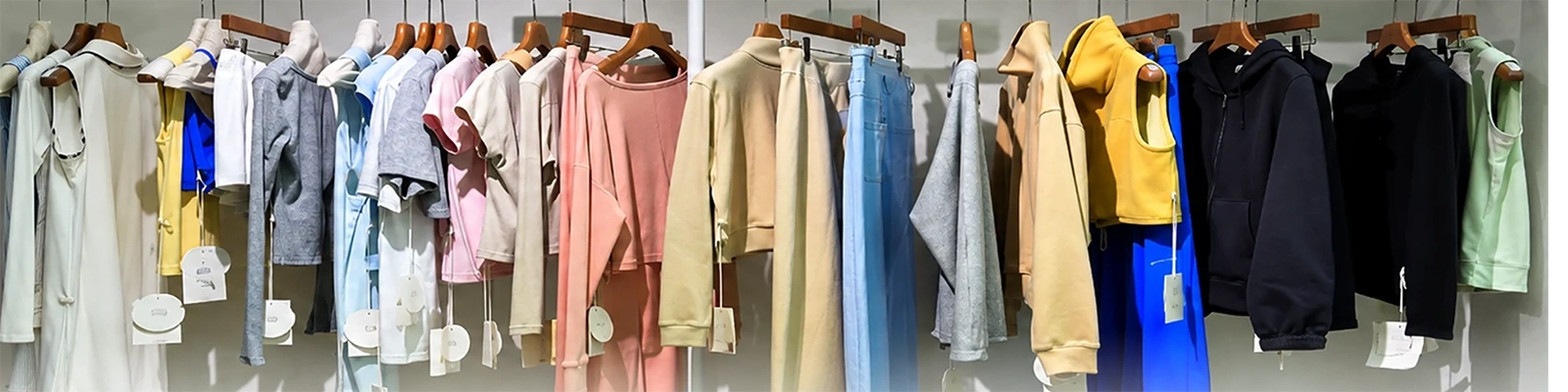
Knit Apparel Applications
Explore six cut-and-sew knit apparel directions across T-shirts, hoodies, polo shirts, activewear, knit dresses, and knit pants — each shaped by its own fit, material behavior, construction, and approval priorities.
Choose the Knit Apparel Application for Your Project
Each application brings different requirements for material behavior, fit, construction, finishing, and approval control. Start with the garment category closest to your project.
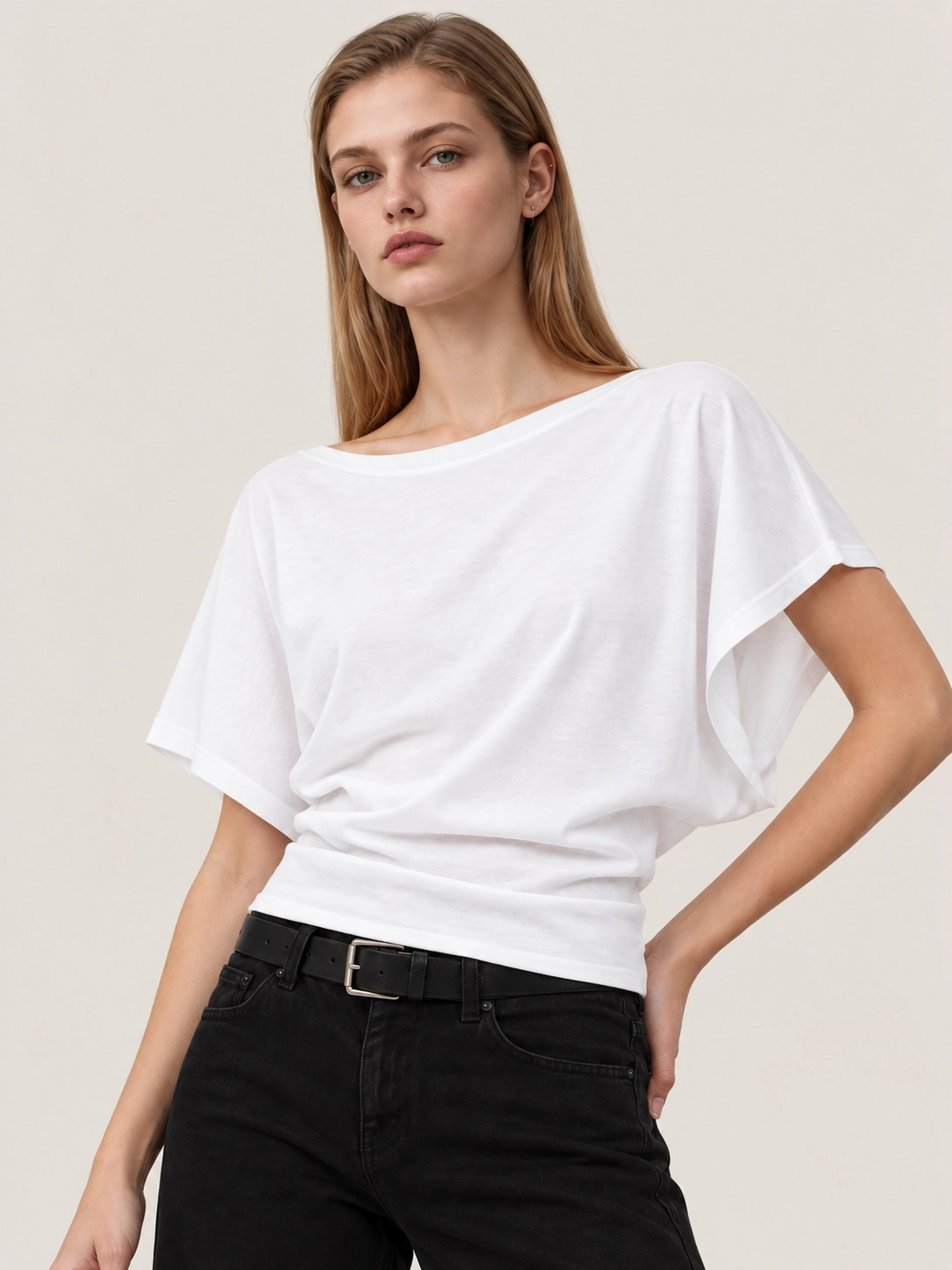
Knit T-Shirts
T-shirt programs shaped by fit proportion, material behavior, neckline stability, and repeatable finishing.
Explore Knit T-Shirts →
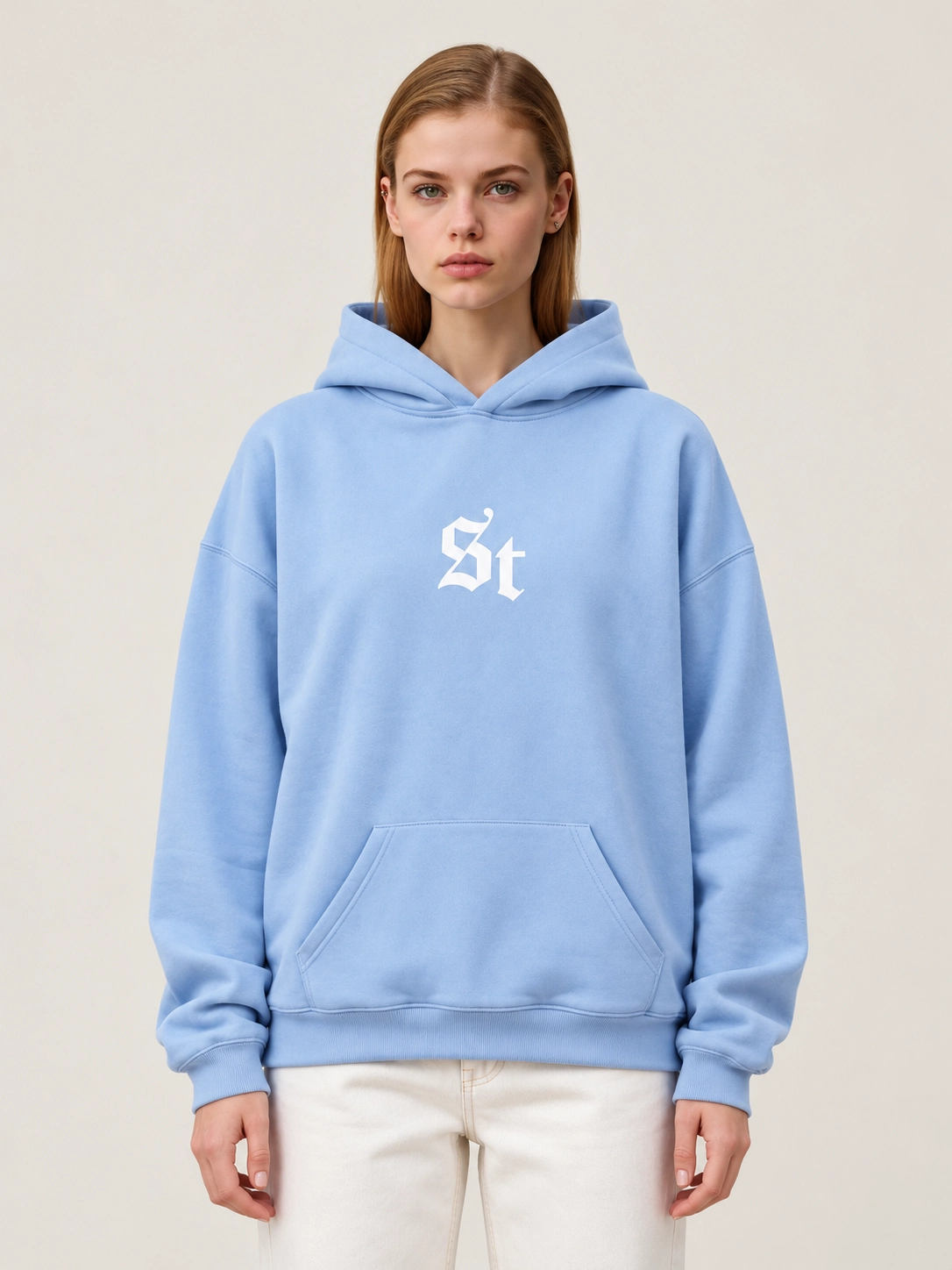
Hoodies & Sweatshirts
Hoodie and sweatshirt programs shaped by fabric body, hood or neckline structure, rib recovery, and finishing direction.
Explore Hoodies & Sweatshirts →
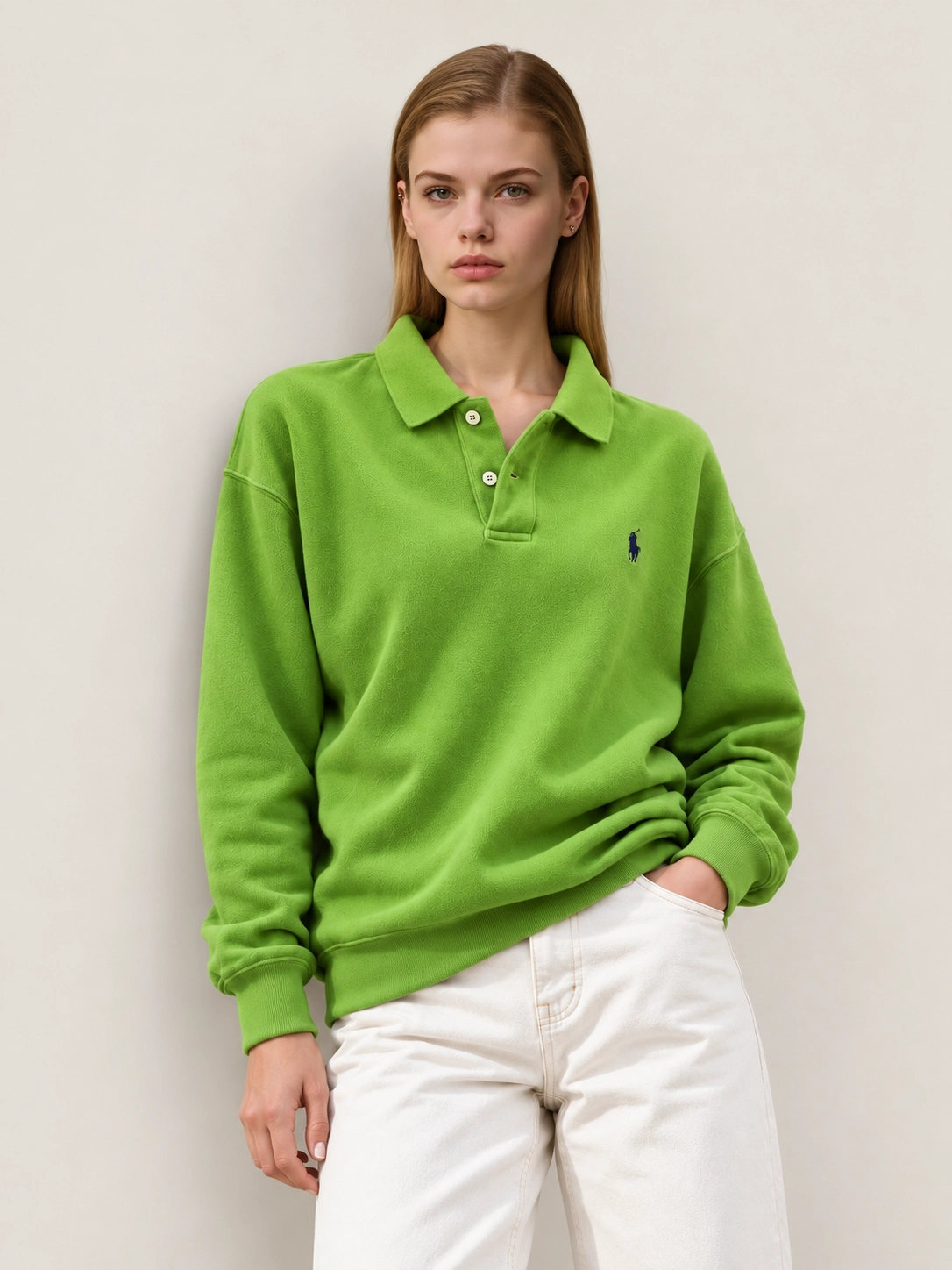
Polo Shirts
Polo programs shaped by fabric surface, collar stability, placket construction, and controlled front alignment.
Explore Polo Shirts →
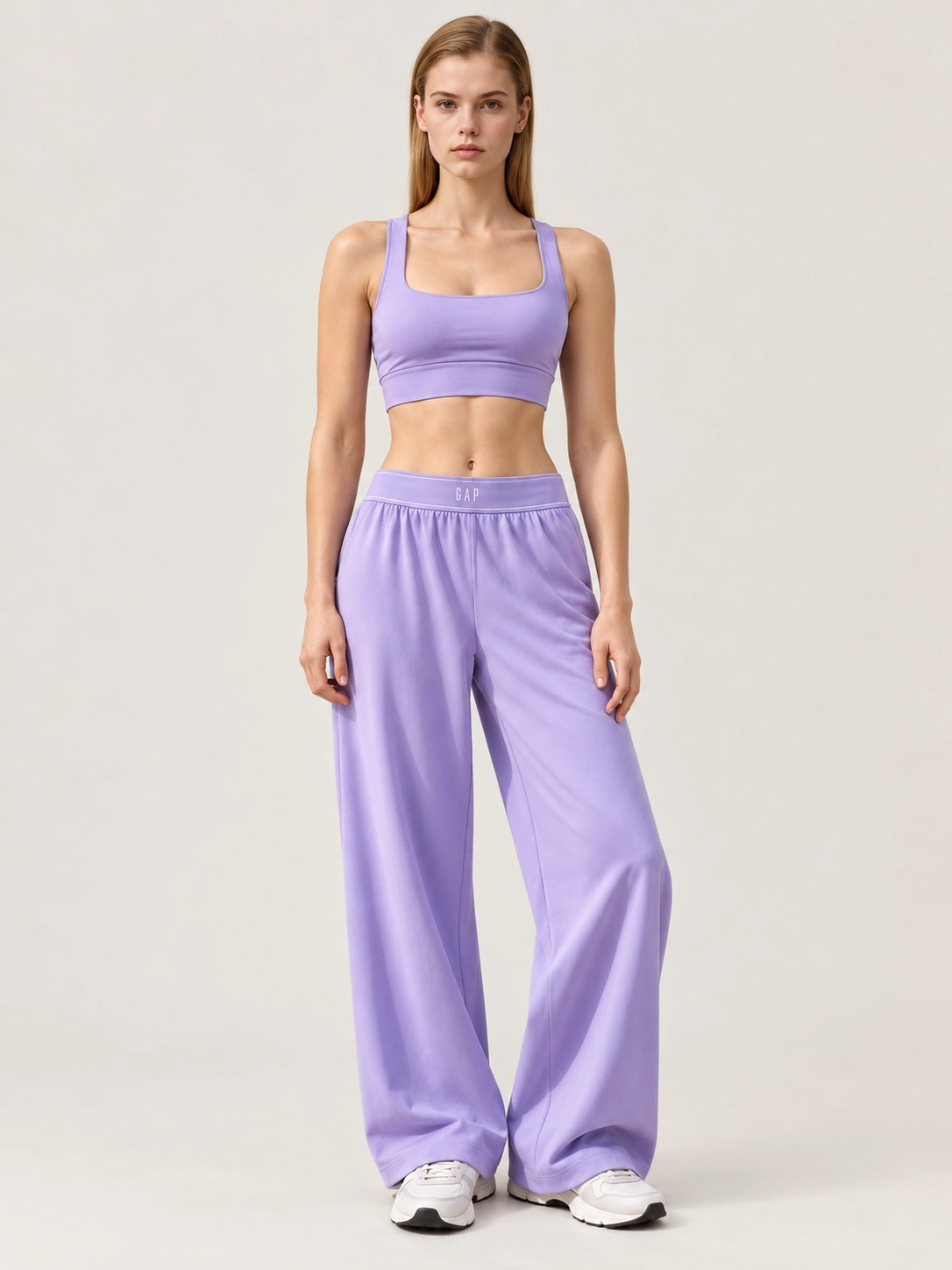
Activewear & Sportswear
Performance-led knit garments shaped by movement, stretch and recovery, coverage, and construction stability.
Explore Activewear & Sportswear →
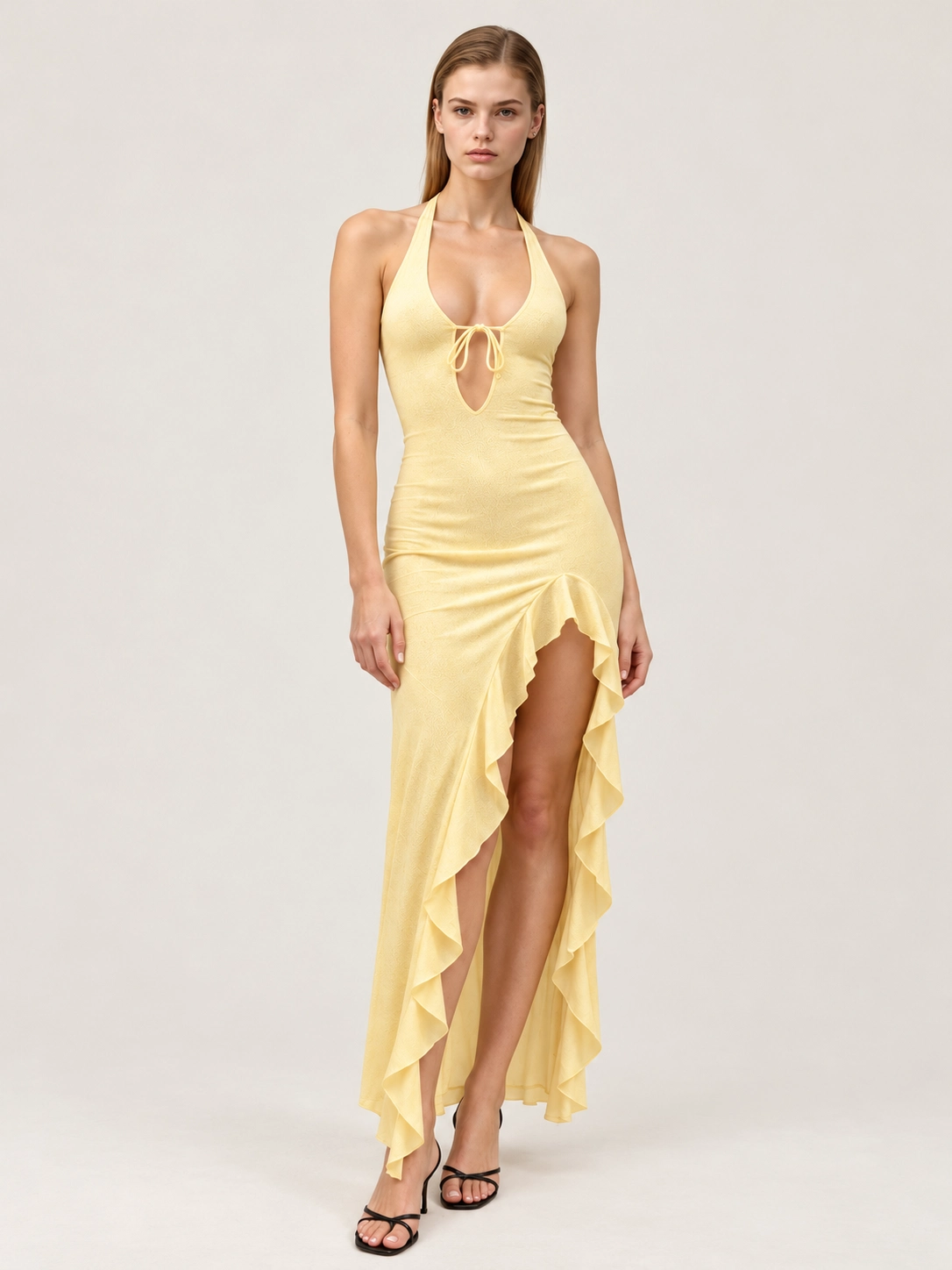
Knit Dresses
Knit dress programs shaped by silhouette, fabric drape, coverage, length stability, and structural balance.
Explore Knit Dresses →
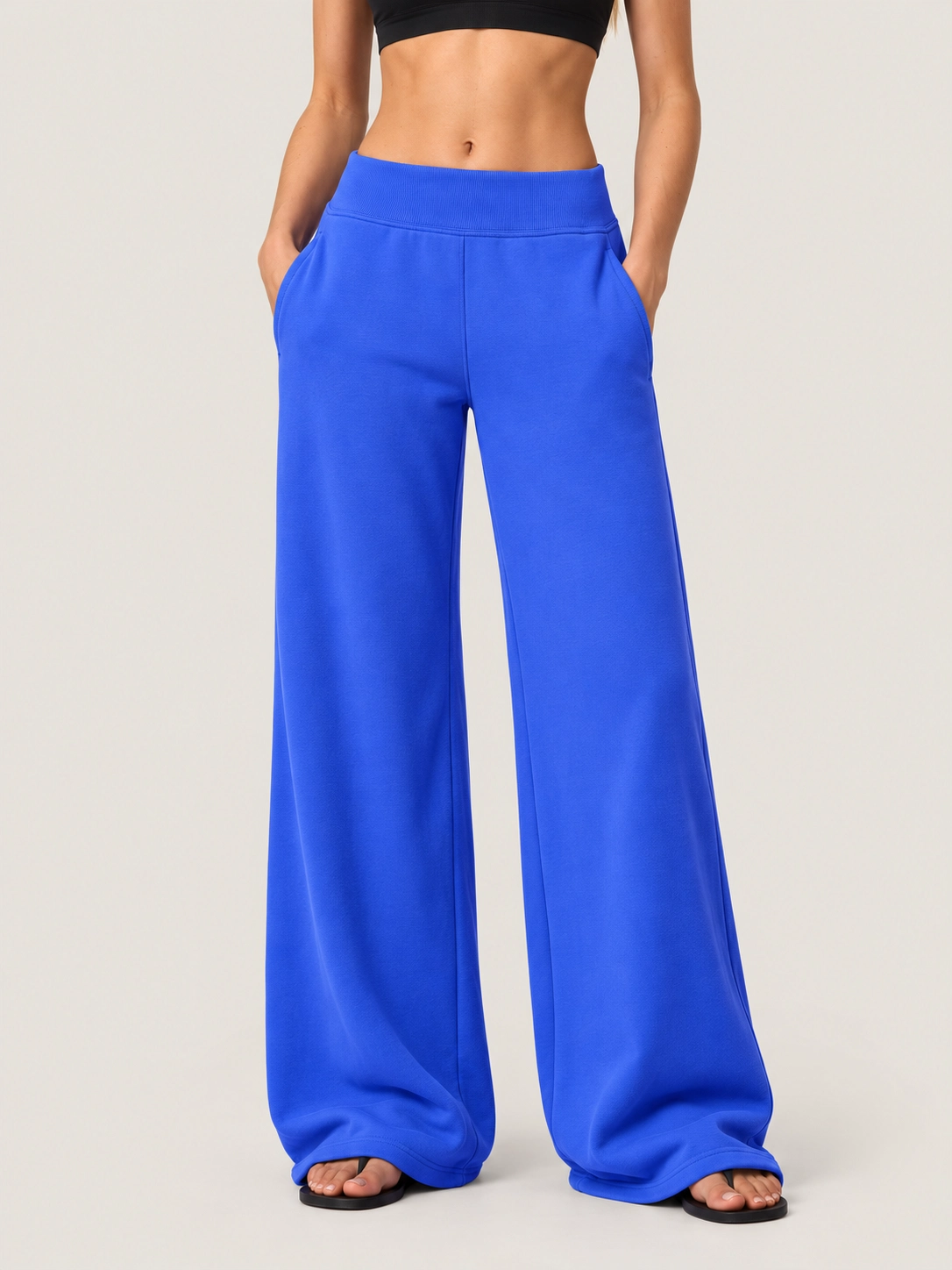
Knit Pants & Joggers
Knit pants and jogger programs shaped by fit proportion, waistband structure, fabric recovery, and leg stability.
Explore Knit Pants & Joggers →Different Garments Require Different Control Priorities
Each knit garment brings a different combination of material, construction, fit, and approval priorities. The product application should define what needs to be controlled before sampling and bulk production.
Knit T-Shirts
Everyday, fashion, and performance T-shirt programs.
Weight, drape & opacity
Jersey, rib, or interlock aligned to fit and intended use.
Neckline, shoulder & hem
Neckline recovery, shoulder balance, and edge stability.
Shrinkage, spirality & decoration
Post-wash proportion, body alignment, and surface response.
Hoodies & Sweatshirts
Layering, French terry, fleece, and zip-through programs.
Body, warmth & surface
Weight, brushing, softness, body, and recovery define the direction.
Hood, rib & pocket
Hood balance, rib recovery, zipper, seam bulk, and pocket structure.
Recovery & dimensional stability
Shrinkage, twisting, rib response, and wash consistency.
Polo Shirts
Everyday, refined, uniform, and performance polo programs.
Surface & stability
Pique, jersey, or interlock aligned to body, opacity, and handfeel.
Collar & placket
Collar shape, placket alignment, opening, and button function.
Shape, alignment & embroidery
Collar retention, placket balance, logo placement, and wash response.
Activewear & Sportswear
Movement-led stretch knit garments and performance programs.
Stretch, recovery & coverage
Extension, return, opacity, support, and surface behavior.
Panels, seams & support zones
Seam placement, gussets, ventilation, and movement zones.
Movement & recovery
Fit in motion, coverage, shape retention, and seam stability.
Knit Dresses
Fitted, straight, A-line, and relaxed knit dress directions.
Drape, weight & opacity
Fluidity, stretch, coverage, body, and lining requirements.
Shaping, seams & hem
Waist shaping, side-seam balance, panel direction, and hem fall.
Length, coverage & shape retention
Hanging growth, transparency, hem balance, and wash response.
Knit Pants & Joggers
Slim, straight, jogger, and relaxed knit bottom programs.
Weight, drape & recovery
Fabric body, stretch, warmth, recovery, and surface support the fit.
Waistband, rise & leg shape
Waistband structure, pockets, rise, inseam, leg shape, and cuff.
Recovery, twist & repeat fit
Knee growth, waist recovery, inseam twist, and post-wash proportion.
One Garment Direction, Five Connected Decisions
Once the product application is clear, material behavior, garment construction, fit, decoration, and approval standards need to align around the same intended garment.
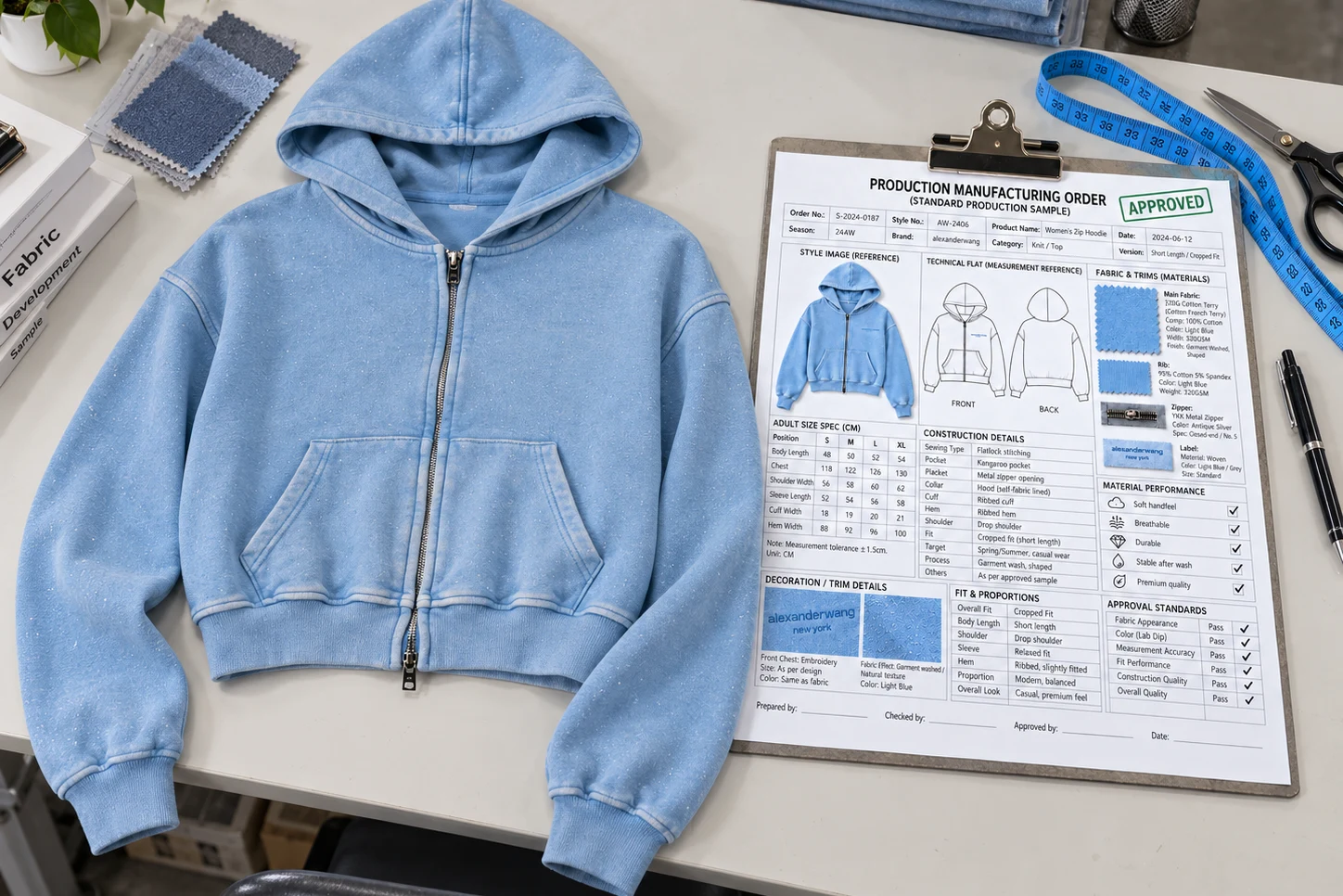
Application-to-production brief. Product references, material direction, construction details, measurements, decoration, and approval criteria describe the same intended garment.
Material Behavior
Composition, fabric weight, stretch, recovery, opacity, drape, shrinkage, handfeel, and surface response need to support the intended garment.
Structure & Construction
Knit structure, pattern direction, seams, panels, collars, plackets, pockets, waistbands, cuffs, and hems need to support the approved shape.
Fit & Proportion
Silhouette, ease, body length, sleeve proportion, rise, waist position, measurement points, and tolerances need to align before production.
Decoration & Finishing
Artwork, placement, color, print, embroidery, trims, washing, and surface treatments need to remain compatible with the material and construction.
Approval & Repeatability
Approved samples, measurements, workmanship, wash results, and release references provide the basis for bulk production and future repeat orders.
The application defines what the garment needs to become. Process and quality standards define how that direction is carried through production.
Define the Right Inputs Before Sampling
Sampling is most useful when the product-specific variables are clear enough to test. What needs to be defined first depends on the garment application.
Knit T-Shirts
Confirm the intended silhouette, fabric weight and opacity, neckline construction, and decoration direction before the first sample is reviewed.
Hoodies & Sweatshirts
Define body volume, French terry or fleece direction, hood or neckline structure, rib requirements, pockets, zippers, and finishing expectations.
Polo Shirts
Clarify fabric surface, collar character, placket structure, button direction, fit proportion, and embroidery placement before sampling begins.
Activewear & Sportswear
Define performance intent, stretch and recovery, coverage, fit in movement, panel or seam direction, pockets, and support requirements.
Knit Dresses
Confirm silhouette, fabric drape and opacity, neckline and waist direction, intended length, lining needs, and the expected shape after wear.
Knit Pants & Joggers
Define fit and rise, fabric body and recovery, waistband construction, pocket direction, leg shape, and cuff or hem treatment.
The first sample does not need every variable to be final, but it should be clear what the sample is expected to prove and which decisions still need refinement.
Turn the Garment Direction Into a Reviewable Project
Product applications help define what the garment needs to become. The next step is to bring the available references, material expectations, construction requirements, approval criteria, and order plan into one project evaluation.
Start a Project
Review project fit, identify missing inputs, and define the next practical development step before sampling or production moves forward.
Explore Capabilities →Already have a product direction, reference sample, or technical brief?
Start a Project Evaluation →Project evaluation, not an instant quotation.