Sampling Can Start From Different Levels of Definition
A project may arrive with a detailed tech pack, a physical reference sample, or key variables that still need to be defined before the first garment sample is developed.
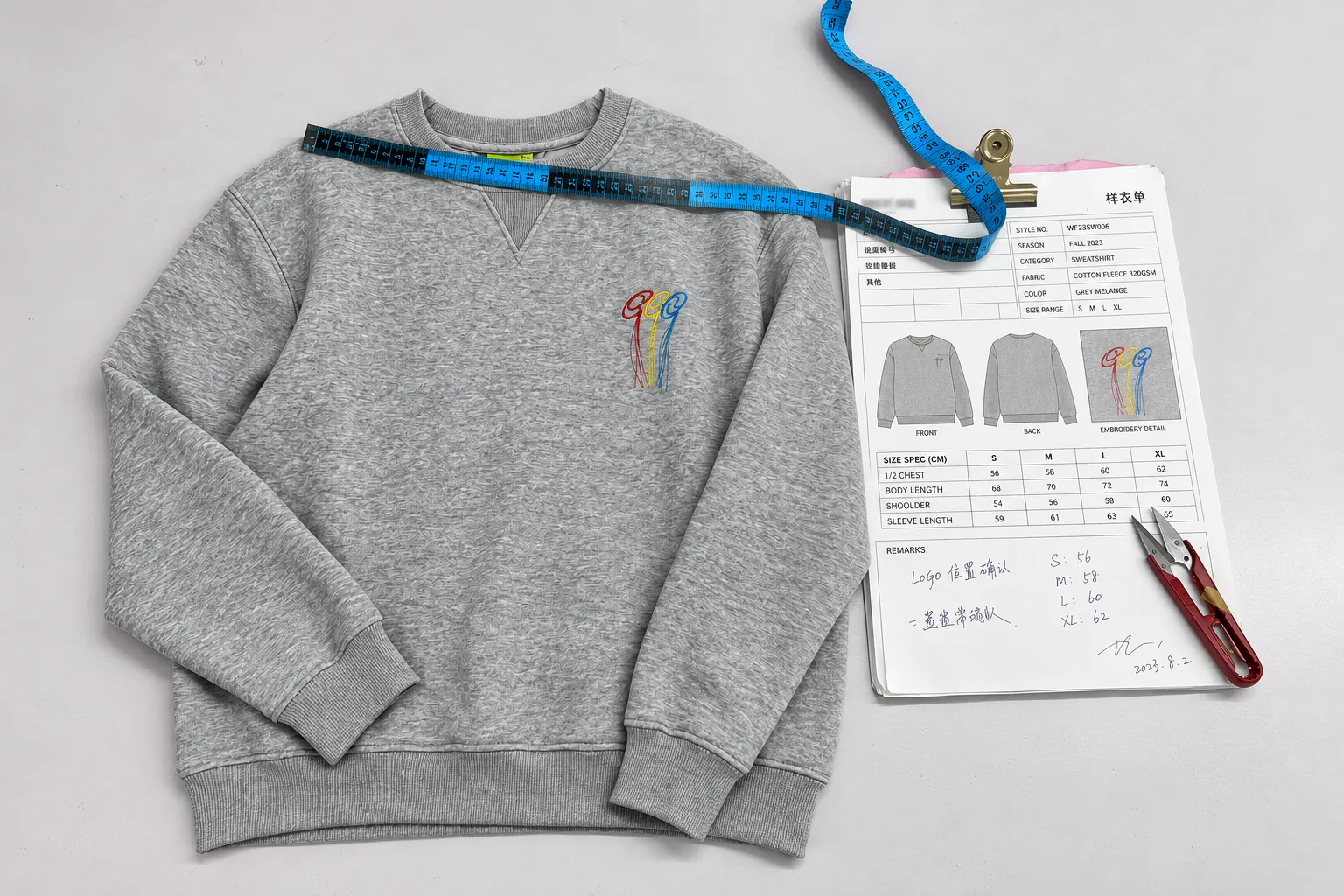
The starting point does not need to be identical for every project. What matters is identifying what is already defined and what still needs to be resolved through sampling.
Tech Pack
Existing specifications, measurements, construction details, artwork and material direction provide the working basis for sample development.
Reference Sample
A physical garment can establish fit, proportion, handfeel and construction benchmarks while the new project is defined around its own requirements.
Variables Still to Define
When material, measurements or construction details remain open, those variables are identified and aligned before the first sample is developed.
The starting point can differ. What matters is knowing what is already defined, what remains open, and what the first sample is expected to prove.
The Sample Must Prove the Garment Works as Defined
A useful sample brings material behavior, fit, measurements, construction, decoration and workmanship into one physical garment so the development direction can be reviewed as a whole.
The sample brings separate development decisions together in one garment, making it possible to review how material, fit, structure and visible execution work together.
Material Behavior & Fit
Drape, stretch, recovery and garment balance are reviewed together to confirm that the intended silhouette and fit have translated into the physical sample.
Working Measurements
Key measurement points are compared with the working dimensions to identify areas that may require pattern or construction revision.
Construction & Decoration
Seams, openings, panels, structural details and applicable decoration are reviewed in the garment to confirm that they work with the selected knit and intended product direction.
Workmanship & Finish
Sewing, edge finishes and visible construction details are reviewed so the sample establishes a clearer working reference for the next development stage.
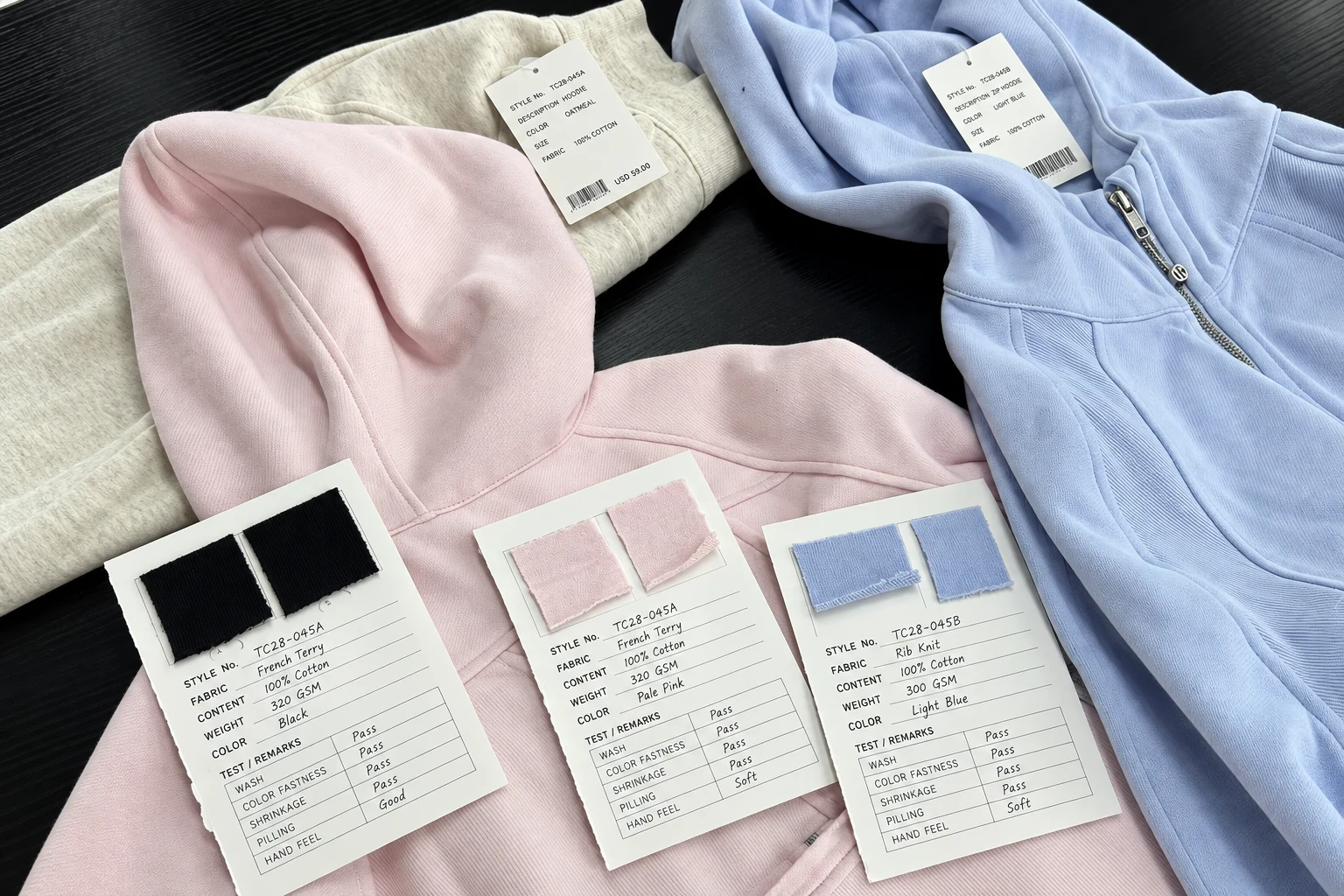
A successful sample is not simply one that looks acceptable. It should make the remaining development decisions clear enough to revise, align and move toward approval.
Review, Revise, Then Approve
Each sample version should resolve defined development points, turning review comments into a progressively clearer garment reference.
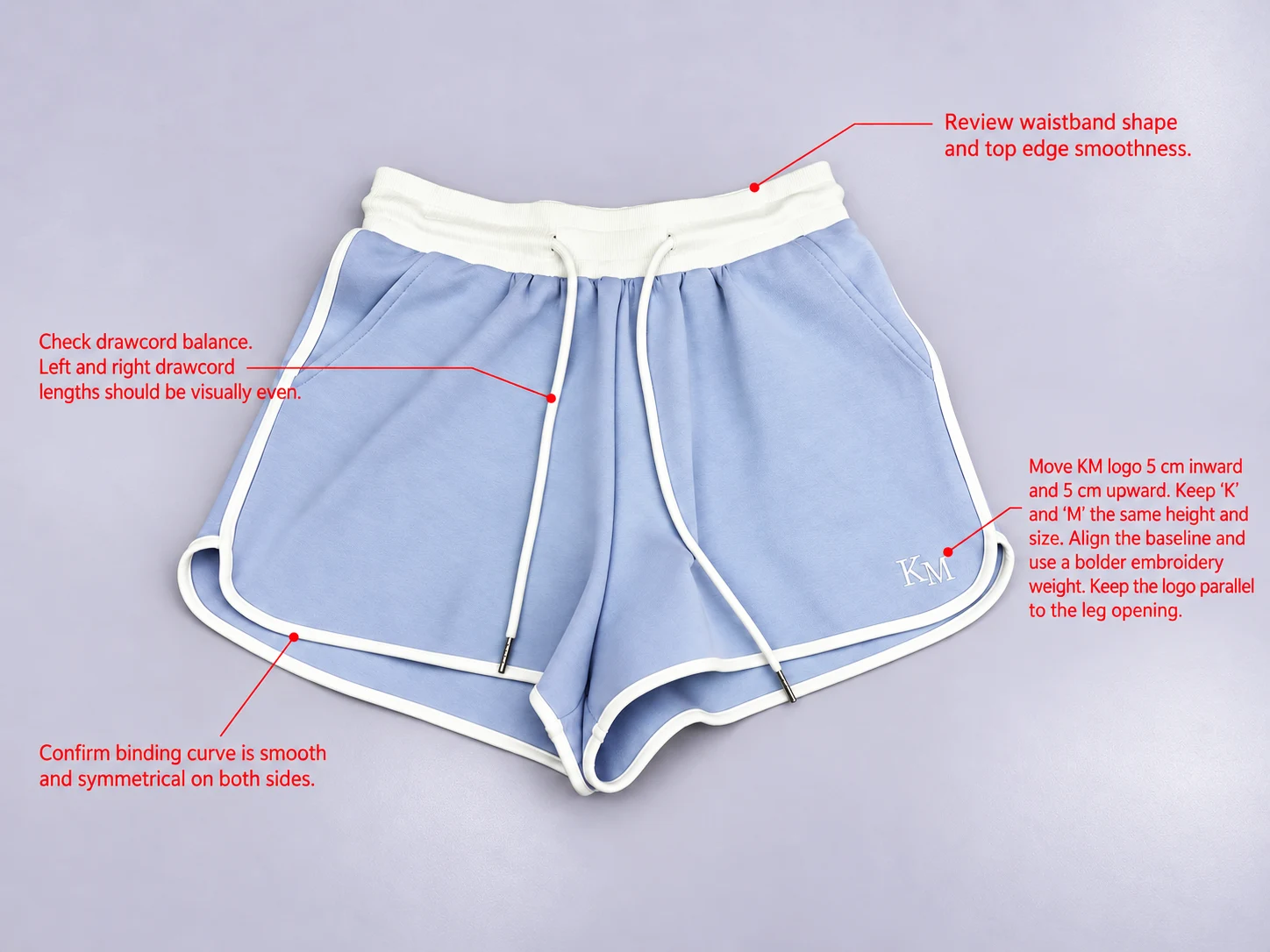
Identify What Needs to Change
Fit, measurements, construction, material behavior and visible workmanship are reviewed together to identify specific open points.
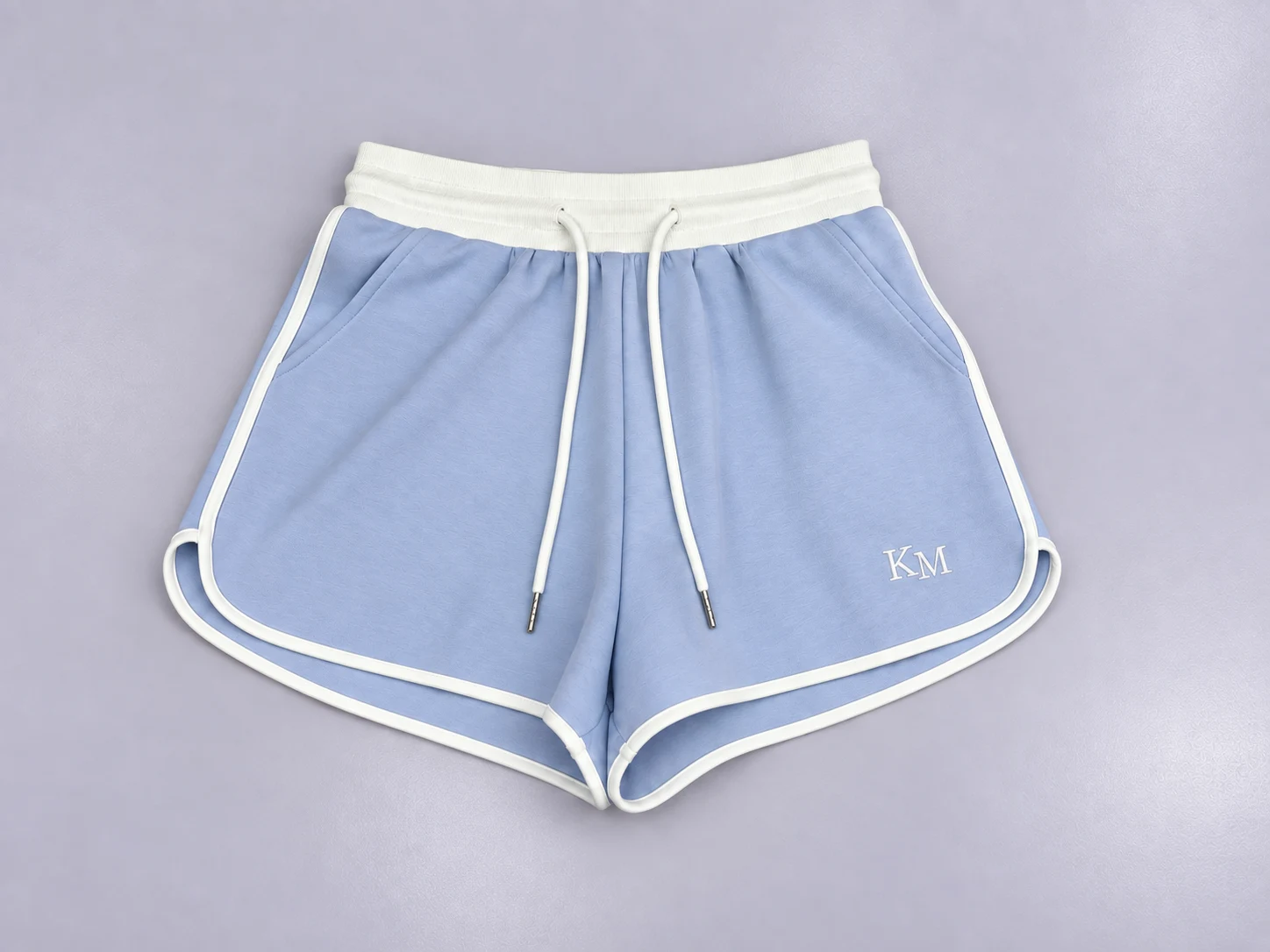
Translate Feedback Into the Next Version
Confirmed comments are translated into pattern, measurement, construction or workmanship adjustments and checked again in the revised sample.
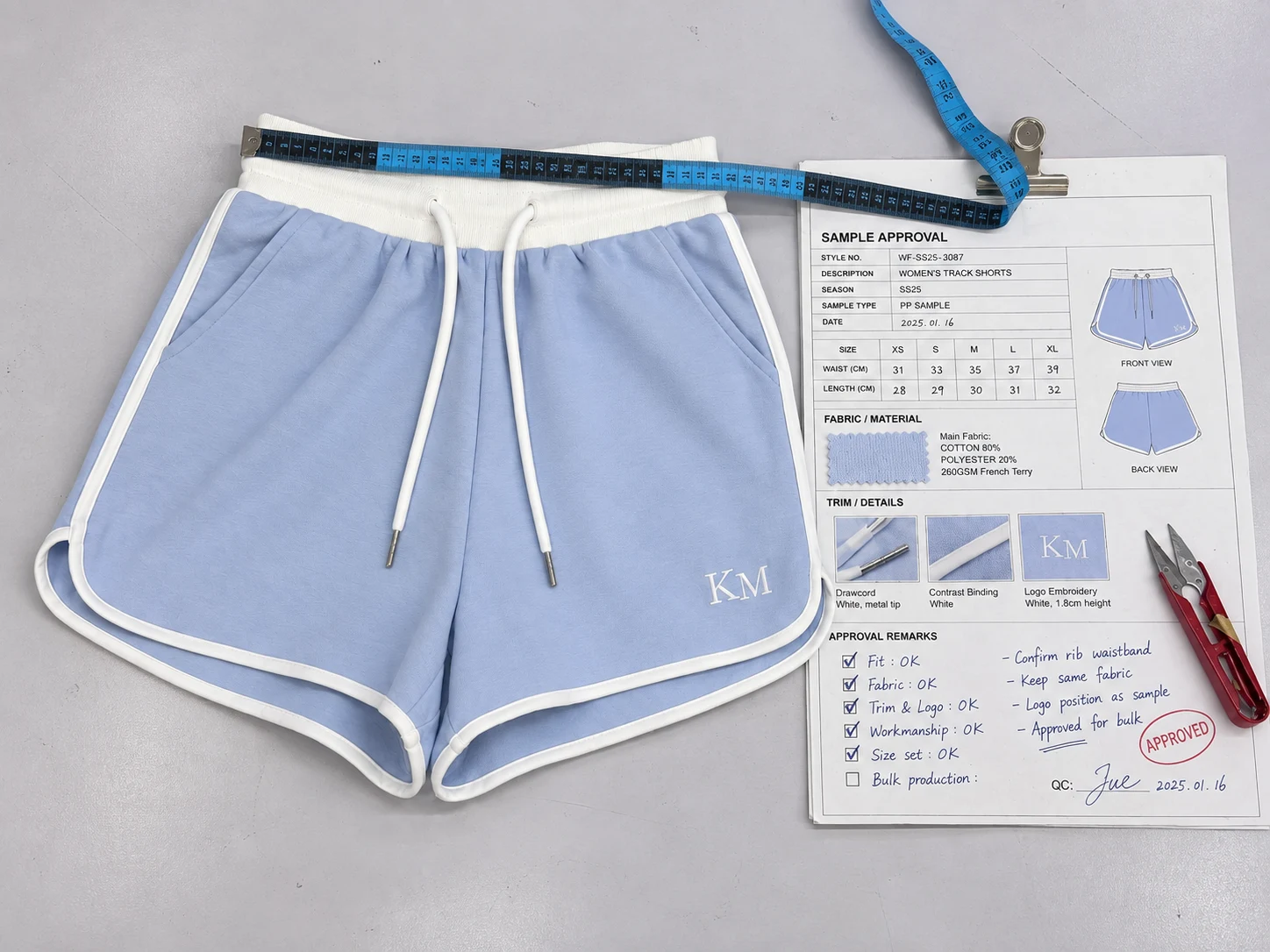
Confirm the Working Garment Reference
Once the required development points are resolved, the accepted sample and its supporting references become the working basis for the next approval stage.
The sequence may repeat more than once. Approval comes when the remaining variables are resolved clearly enough to establish a reliable working reference.
Approval Is More Than a Single Sample
The approved garment is supported by connected working references that preserve what has been accepted across measurement, material, decoration, workmanship and revision.
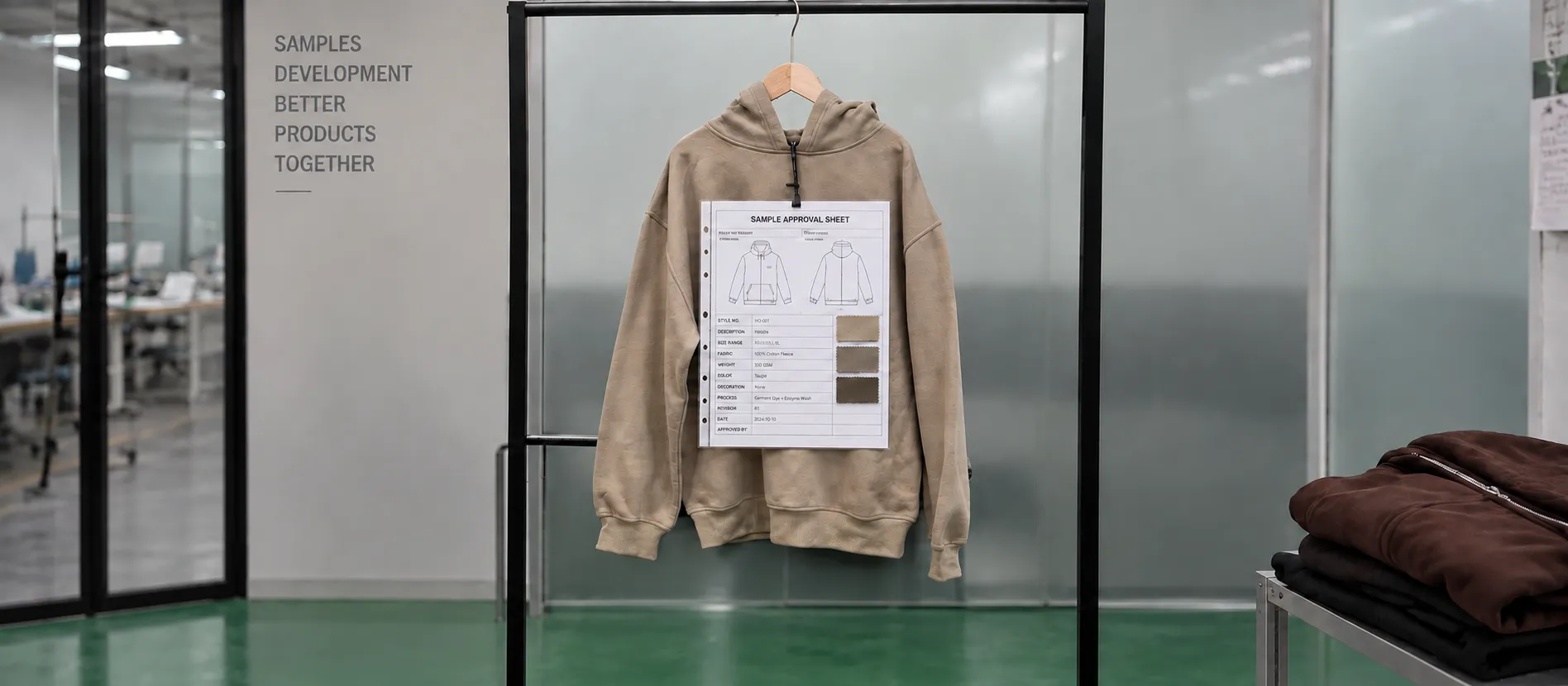
Approved Sample
The accepted garment remains the physical reference for fit, proportion and construction.
Measurement Reference
Confirmed measurement points remain aligned with the accepted garment sample.
Material Reference
The accepted fabric direction records the material behind the approved garment result.
Artwork Reference
Approved artwork, scale, placement, color and effect remain connected to the sample.
Workmanship Reference
Accepted sewing, seam appearance and visible construction details define workmanship direction.
Revision Record
Confirmed changes ensure the next stage begins from the latest approved version.
Together, these references carry the confirmed development direction forward into pre-production alignment.