Construction & Fit Decision Guides
Understand how fabric behavior, pattern shape, garment construction, measurements, and fit influence one another before approval.
How Neck Rib Structure Affects T-Shirt Recovery
A neckline can look correct on the first sample and still lose shape after stretching, sewing, or washing. Rib behavior, pattern shape, and attachment control need to work as one system.
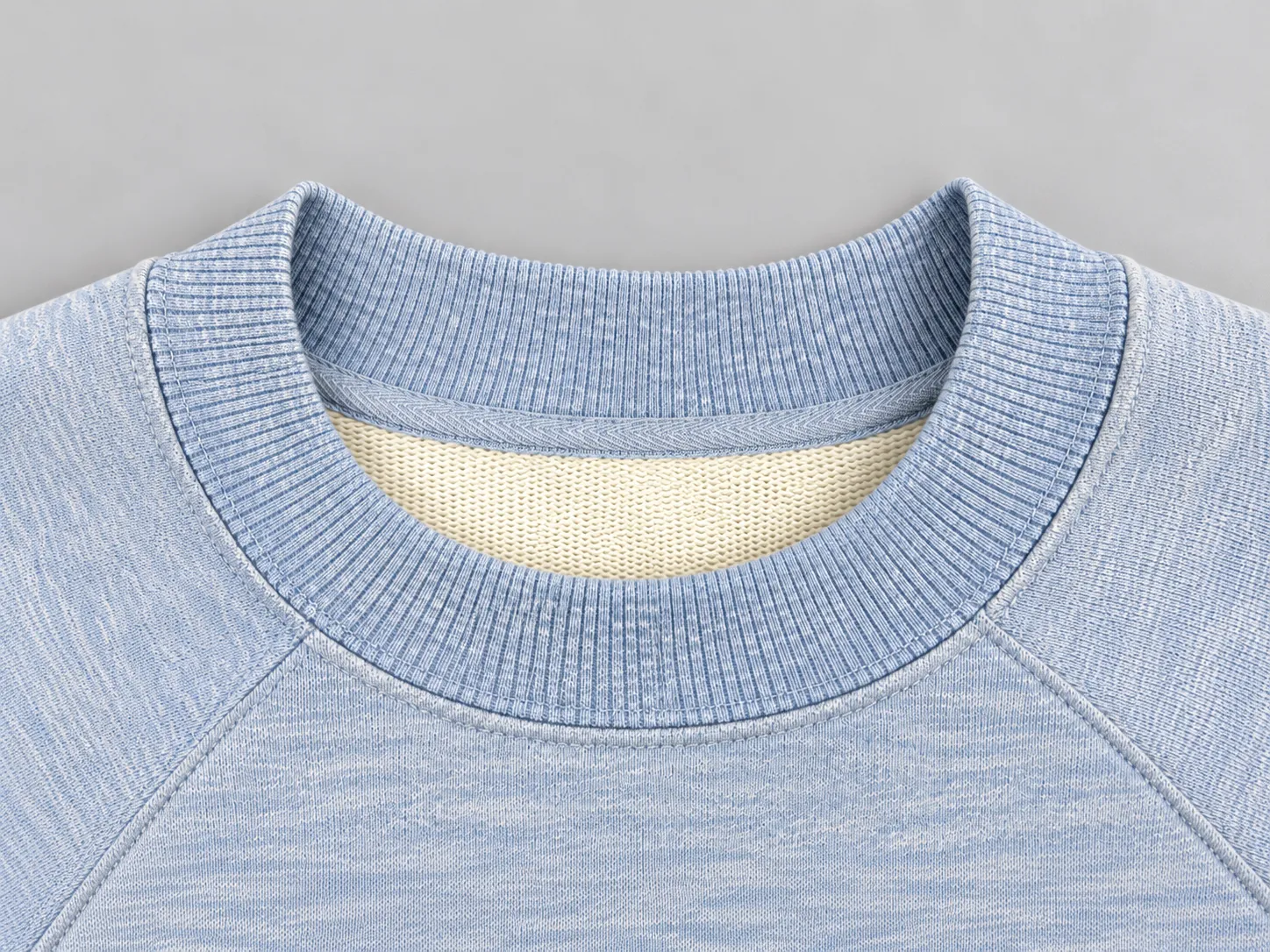
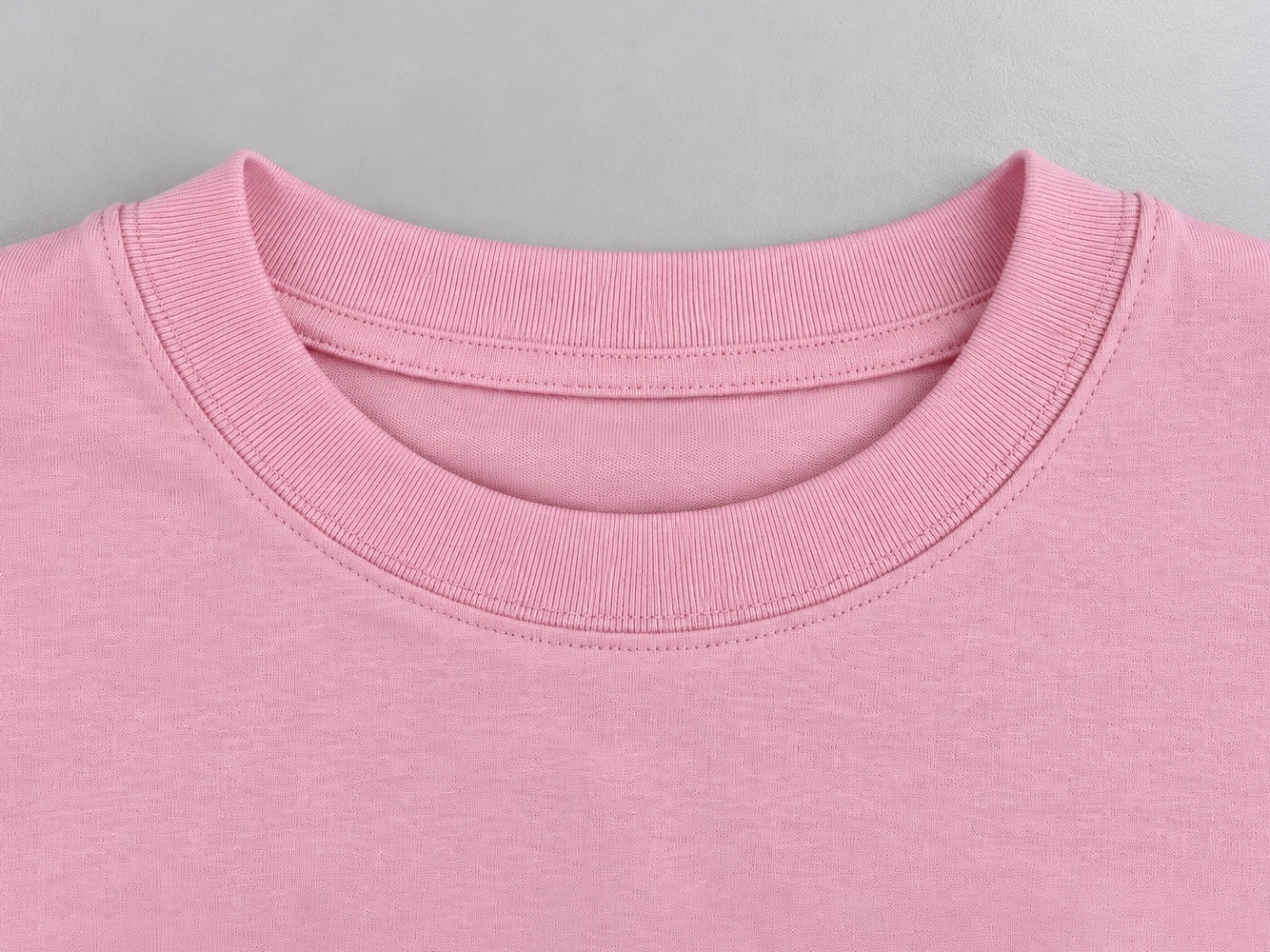

Rib Structure & Recovery
Define rib width, thickness, stretch direction, and recovery against the body fabric so the neckline returns to its approved shape.
Pattern & Attachment Tension
Align neckband length, neckline geometry, attachment ratio, and sewing tension to prevent rippling, opening, twisting, or excessive tightness.
Wash & Production Reference
Review post-wash neckline shape and retain an approved reference for measurement, workmanship, and later bulk-production comparison.
Decision Basis
The approved result is not only a neckline measurement. It is a repeatable relationship between material recovery, pattern shape, attachment control, and finished garment behavior.
Construction Questions to Resolve Before Sampling
Each garment detail should be defined in relation to the fabric, pattern, and intended fit. The objective is not to approve isolated components, but to confirm how they work together in the finished garment.
Shape & Openings
Define the details that shape garment openings and their visual proportion before the first sample is evaluated.
Neckline
Which neckline shape, depth, rib, or binding relationship should become the approved fit reference?
Placket
How should placket length, width, reinforcement, button spacing, and closure stability be defined?
Binding
Where is binding required, and how should its width, tension, stretch, and attachment be controlled?
Support & Function
Define components that support fit, movement, stability, and everyday garment use.
Waistband
What waistband structure, height, elasticity, drawcord direction, and recovery are required for the intended fit?
How should pocket opening, placement, bag depth, reinforcement, and internal bulk be balanced?
Cuff & Sleeve Opening
How should cuff width, recovery, opening control, and attachment be defined to maintain the approved fit?
Assembly & Finish
Align sewing and finishing decisions with the approved silhouette, material behavior, and post-wash dimensions.
Seam
Which seam construction, seam allowance, and stretch response support the selected fabric and approved garment fit?
Hem
What hem depth, finishing method, and sewing control preserve drape, shape, and intended post-wash length?
Reinforcement
Where should bartacks, tapes, stay stitching, or other reinforcement be applied to protect structure and repeatability?
Why Approved Fit Can Change Before Bulk Production
An approved sample can still shift when measuring methods, wash response, material behavior, or sewing control change. Each risk should remain connected to the same approved fit reference.
Measurement Method & Tolerance
A specification is only repeatable when the same measurement points, garment condition, and measuring method are used.
What Can Shift
Chest width, body length, shoulder position, sleeve length, waistband level, and overall garment balance.
Verify Against
Approved measurement points, measuring method, sample condition, specification, and agreed tolerance range.
Post-Wash Dimensions
A garment may meet its specification before washing and still lose the approved proportion afterward.
What Can Shift
Length, width, twisting, neckline shape, hem level, sleeve balance, and the relationship between garment sections.
Verify Against
Defined wash method, pre-wash measurements, post-wash dimensions, shrinkage tolerance, and approved appearance.
Material Change
A change in fabric structure, weight, stretch, or recovery can change how the same pattern fits and hangs.
What Can Shift
Drape, ease, opacity, stretch, recovery, silhouette, opening size, and stability of attached components.
Verify Against
Approved fabric reference, structure, weight, stretch, recovery, shrinkage, and sample construction.
Sewing Tension & Construction
Fit can shift when seam take-up, attachment tension, or construction handling differs from the approved sample.
What Can Shift
Seam length, neckline opening, placket shape, waistband recovery, puckering, twisting, and finished garment dimensions.
Verify Against
Approved seam construction, attachment ratio, workmanship reference, garment measurements, and post-wash result.
Measurement tolerance controls expected variation. It does not replace the approved material, fit, measuring method, and garment reference.
Product-Specific Construction Decisions
The same construction and measurement logic cannot be applied to every knit garment. Each product requires its own relationship between material behavior, pattern shape, structural details, and fit approval.

Knit T-Shirt Neckline
Neckline geometry and rib attachment must remain aligned with the stretch, recovery, and weight of the body fabric.
Define
Neck shape, opening depth, rib width, neckband length, and attachment ratio.
Verify
Opening measurement, recovery, seam flatness, neckline balance, and post-wash shape.

Polo Collar & Placket
Collar, placket, and body fabric must work together without pulling, twisting, or changing the approved front shape.
Define
Collar profile, placket length and width, reinforcement, closure direction, and button spacing.
Verify
Placket symmetry, collar roll, opening stability, front balance, and post-wash appearance.
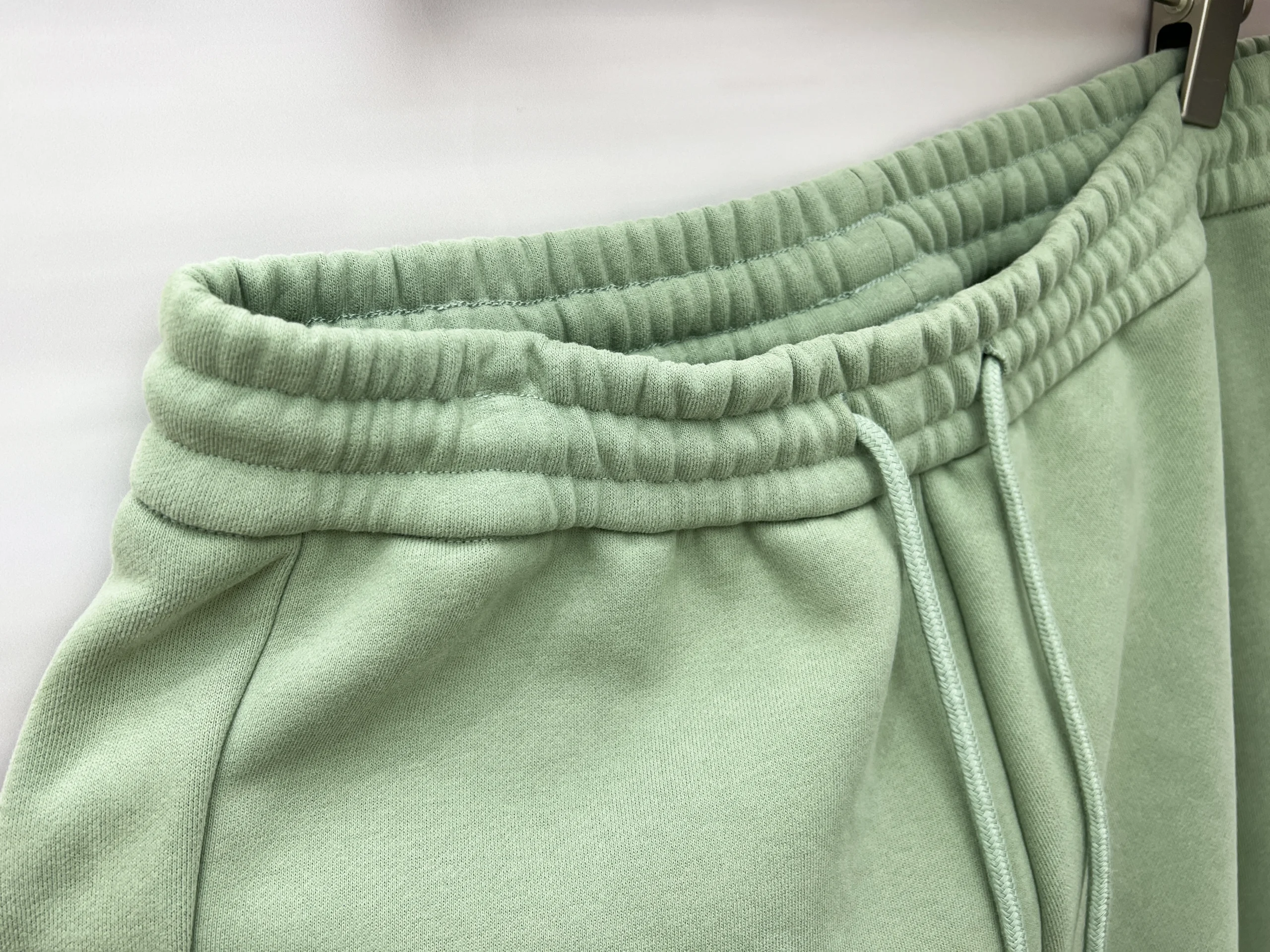
Knit Pants & Jogger Waistband
Waistband, rise, pocket, and cuff construction determine how the garment supports movement while retaining its intended silhouette.
Define
Waistband height, elastic and drawcord direction, rise, pocket opening, leg shape, and cuff structure.
Verify
Waist recovery, pocket stability, inseam balance, knee growth, cuff opening, and post-wash dimensions.
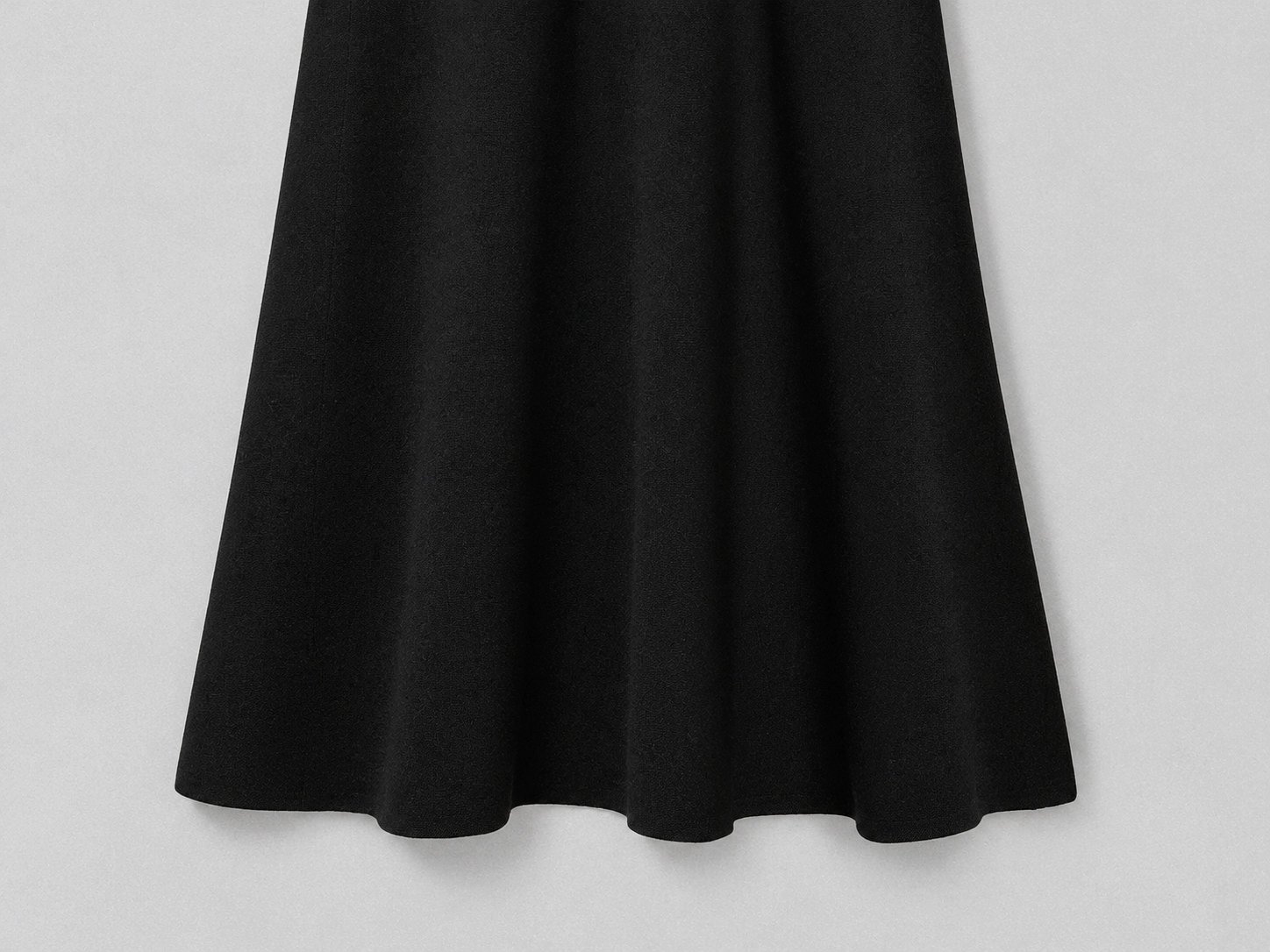
Knit Dress Length & Drape
In cut-and-sew knit dresses, finished length and drape should be reviewed on the complete garment rather than from pattern dimensions alone.
Define
Body length, waist and hip shaping, hem sweep, coverage, lining needs, and intended silhouette.
Verify
Hanging balance, drape, opacity, seam weight, twisting, and post-wash garment length.
Turn Approved Fit Into a Controlled Production Reference
Pattern development, sample approval, and measurement standards must carry the same construction and fit references into bulk production.
Pattern, Cutting & Sewing
Translate the approved product direction into pattern shape, ease, seam allowance, cutting direction, reinforcement, and construction details suited to the selected knit fabric.
Review Pattern, Cutting & Sewing →Sampling, Fit & Approval
Review material behavior, construction, garment balance, measurements, workmanship, and post-wash results before the sample becomes a production reference.
Review Sampling, Fit & Approval →Measurement, Fit & Tolerance
Establish consistent measurement points, measuring methods, tolerance ranges, garment conditions, and release criteria for sample-to-bulk repeatability.
Review Measurement, Fit & Tolerance →An approved sample becomes useful only when its pattern, workmanship, measurement basis, and approval references can be repeated in production.
From Construction Decisions to an Approved Garment Reference
Once material behavior, pattern shape, construction details, measurements, and fit requirements are defined, the next step is to evaluate whether those references are clear enough to support sampling, approval, and repeatable production.
Continue With Related Construction & Fit Articles
Explore deeper articles on garment construction, fit, measurement, material behavior, structural details, and approval references.
Explore the Article Library →Have a Construction or Fit Direction Ready for Review?
Share the garment references, measurements, construction details, material direction, target quantities, and current development stage already available.
Submit Project for Evaluation