Knit Fabric Selection Guides

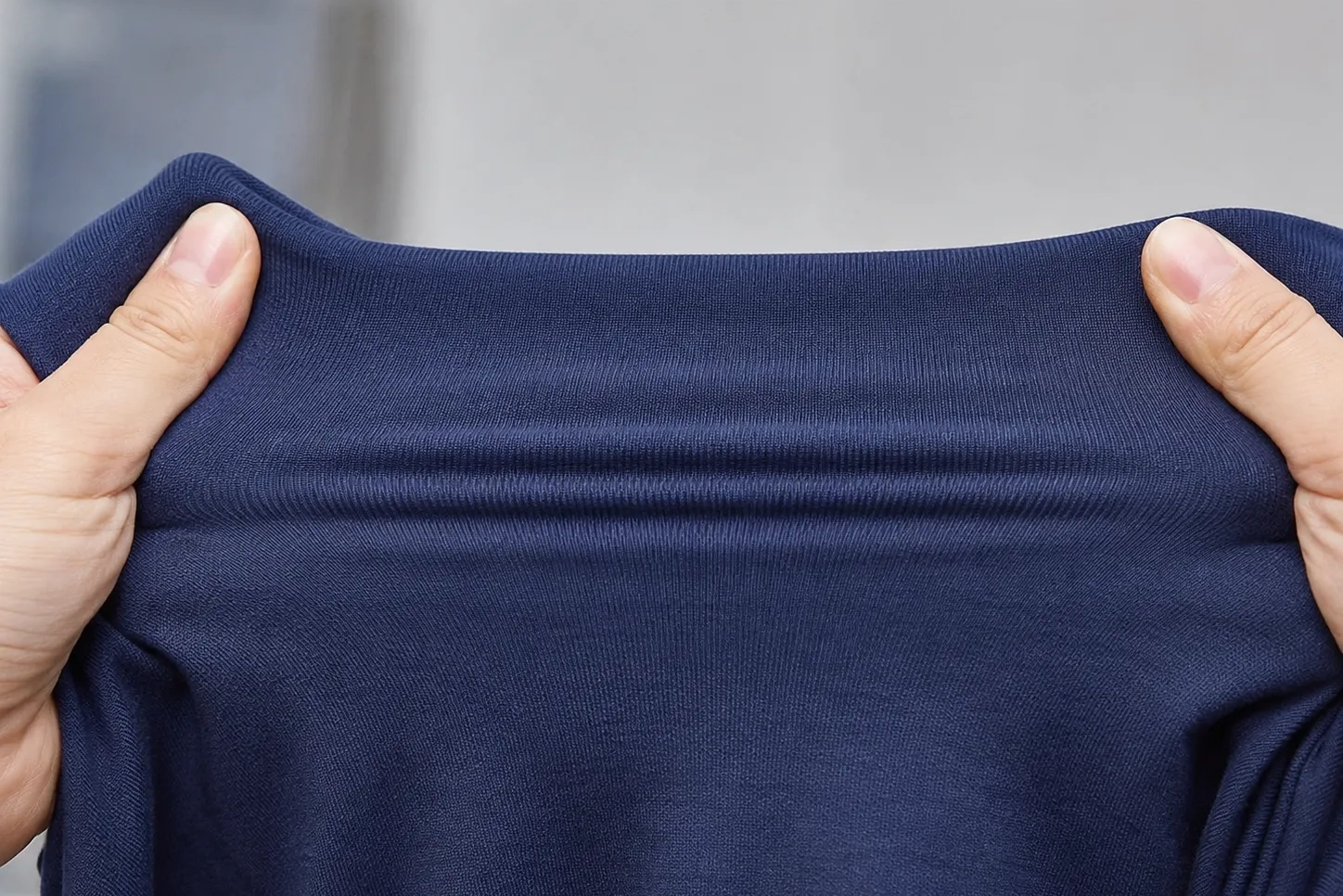
Compare knit structure, weight, handfeel, stretch, recovery, and shrinkage against the garment result you are trying to achieve.

Eight Questions That Define a Knit Fabric Direction

A useful fabric direction requires more than a composition label. Each variable should be considered against the intended garment result, use condition, and approval standard.

Composition

Which fiber blend supports the required use, care method, handfeel, and product positioning?

Structure

Which knit construction creates the required surface, drape, thickness, and dimensional stability?

Weight

What fabric weight supports opacity, silhouette, sewing requirements, and the intended season?

Handfeel

Should the garment feel smooth, dry, soft, brushed, compact, or fluid when worn and handled?

Stretch

How much stretch is required, in which direction, and for which movement or fit condition?

Recovery

Does the fabric return to its intended shape after repeated stretching, movement, and wear?

Shrinkage

Which wash method, dimensional tolerance, and post-wash result should be verified before approval?

Opacity & Coverage

Does the fabric provide the required coverage under stretch, light exposure, and intended wear conditions?

These questions work together. A fabric direction should be evaluated as a combination of material, structure, garment use, and expected behavior.

Knit Fabric Structures and Performance Topics

Explore how different knit structures, surfaces, and constructions influence garment fit, drape, stretch, warmth, breathability, and production behavior.
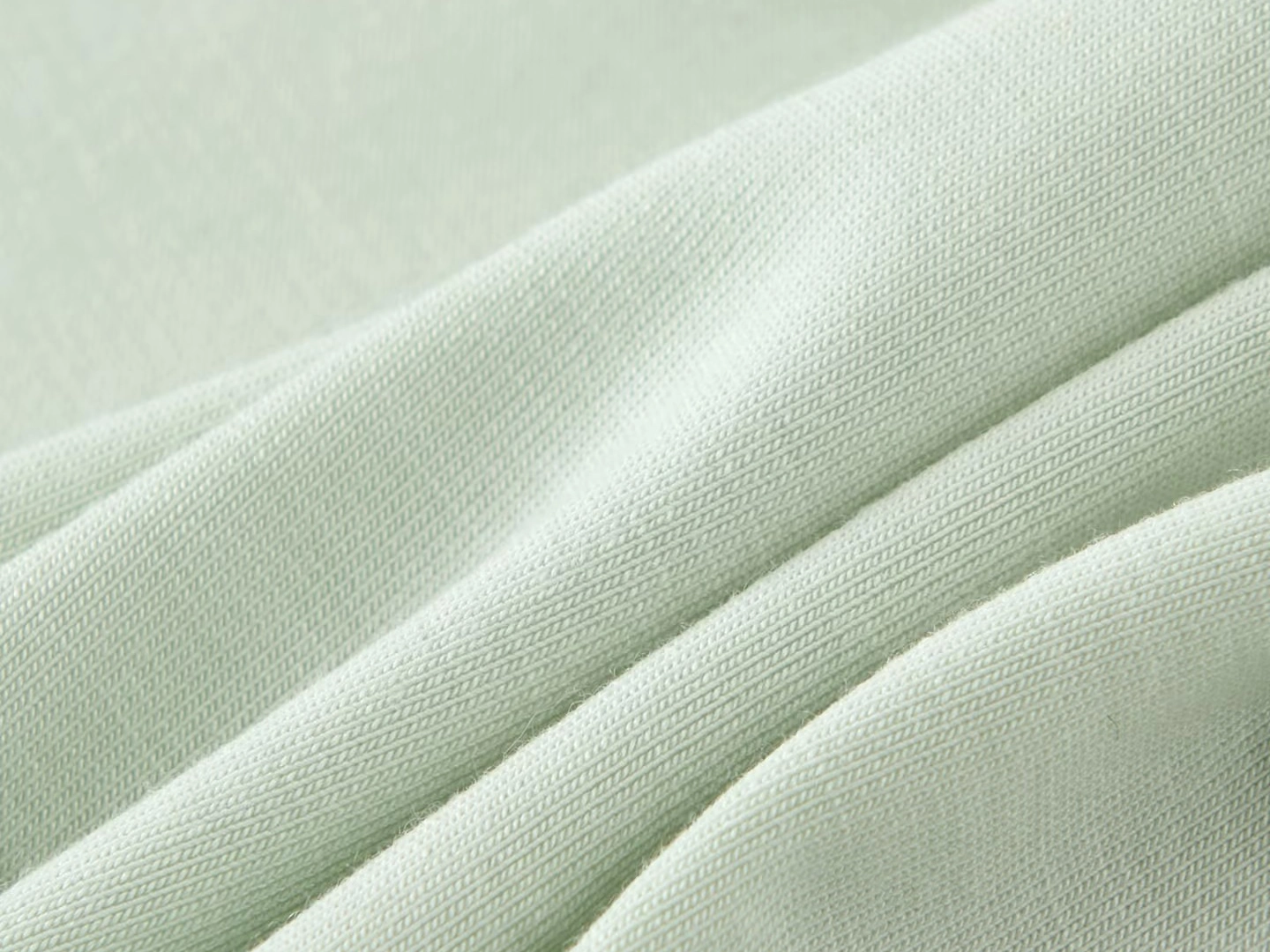
Jersey knit fabric structure and surface

Jersey Knit Fabric

Review drape, lighter-weight behavior, surface appearance, and edge stability for fluid cut-and-sew knit garments.
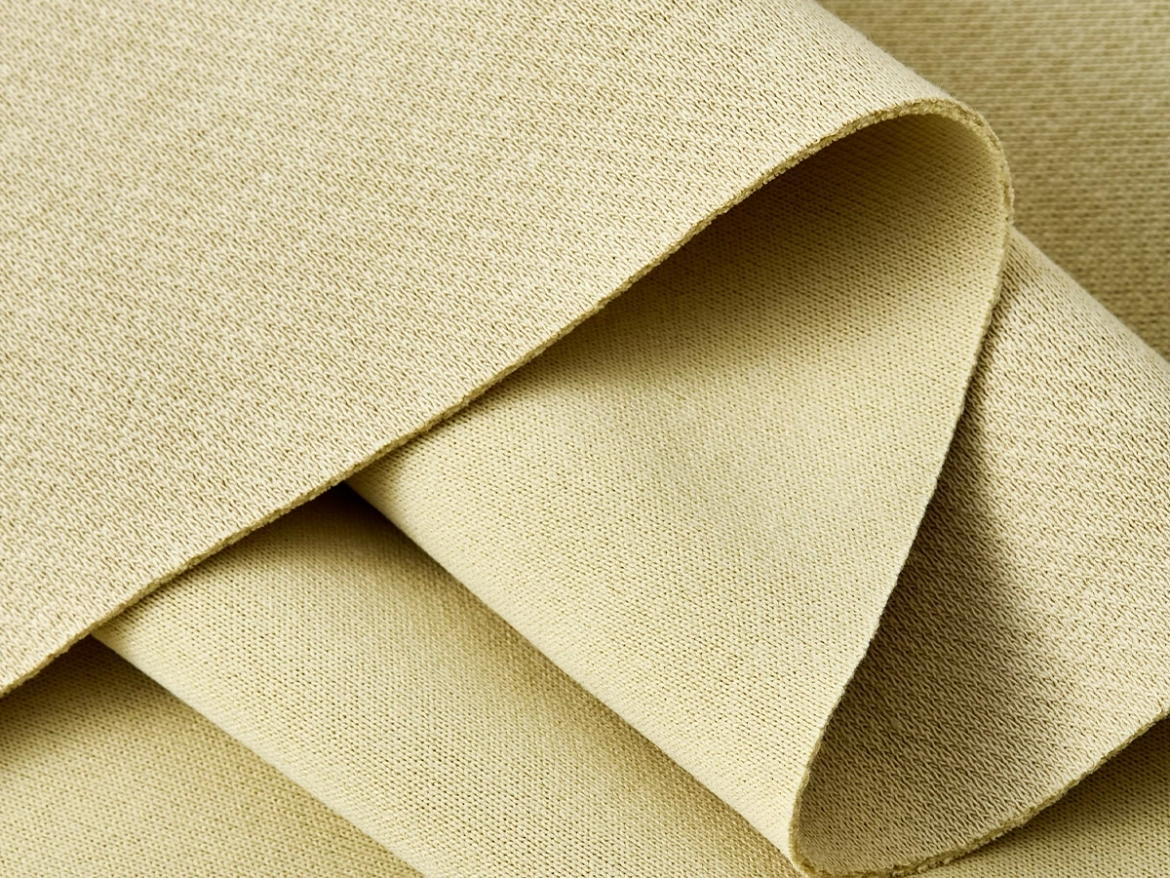
Interlock knit fabric structure and surface

Interlock Knit Fabric

Compare fuller handfeel, coverage, smooth surfaces, and dimensional stability for garments requiring more structure.
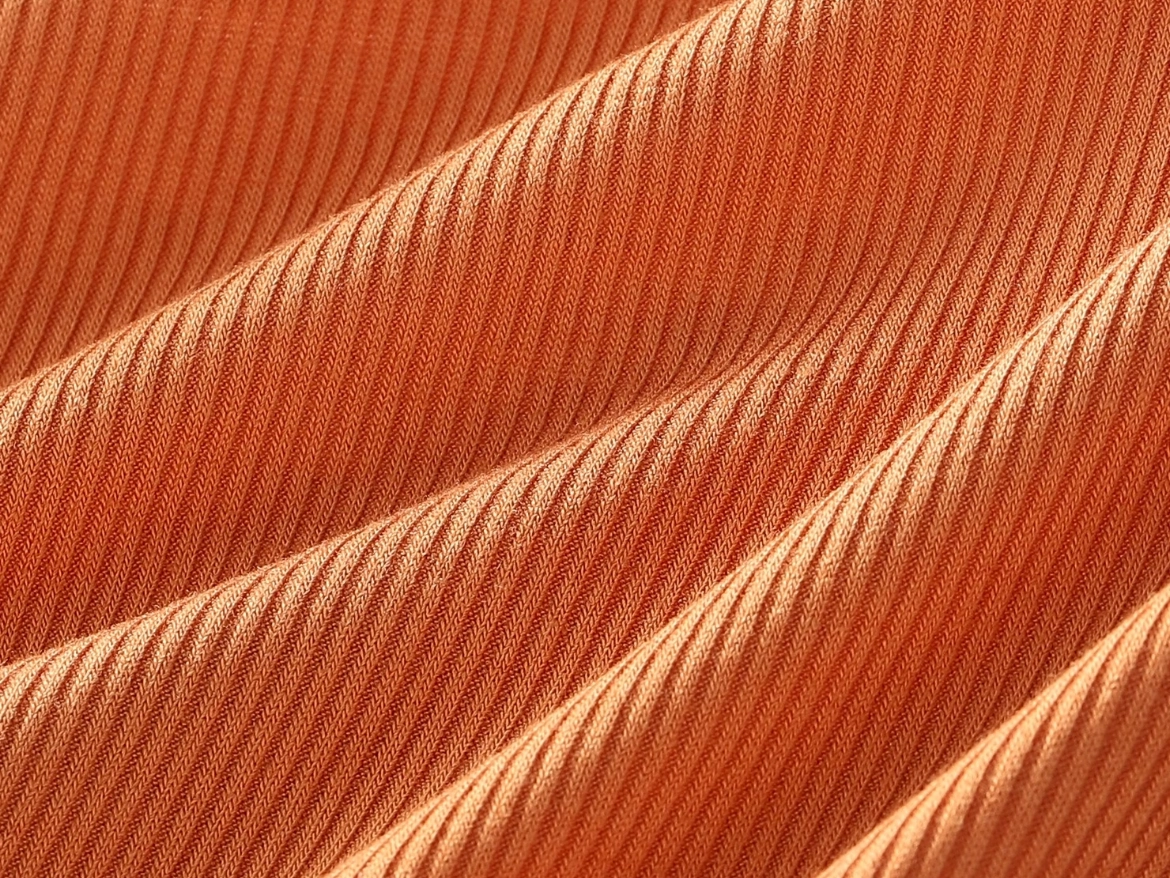
Rib knit fabric structure stretch and recovery

Rib Knit Fabric

Evaluate rib structure, stretch, and recovery for neckbands, cuffs, waistbands, and close-fitting garment areas.
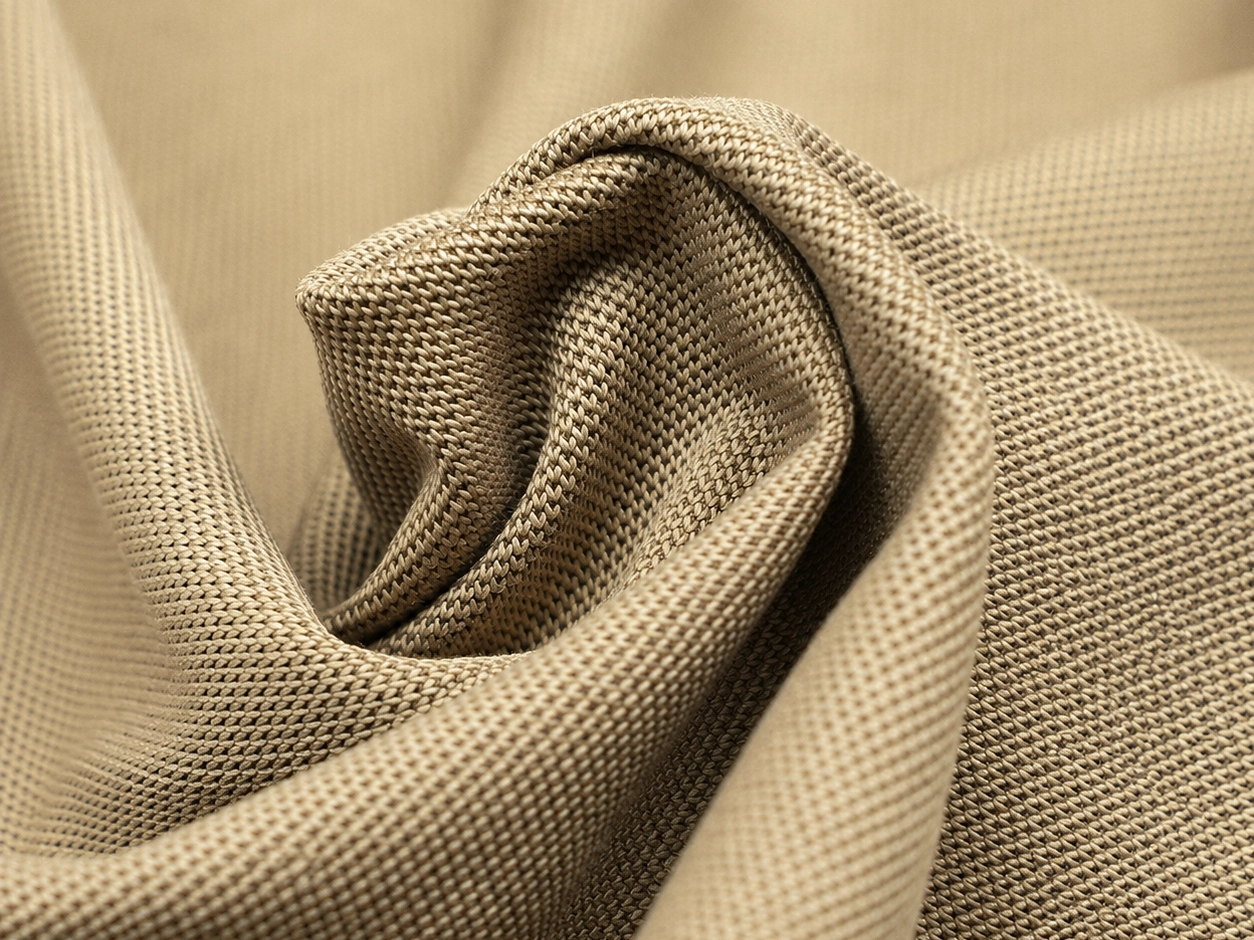
Pique knit fabric textured surface

Pique Fabric

Review textured surfaces, body, breathability, and shape support for polo shirts and structured casual knit garments.
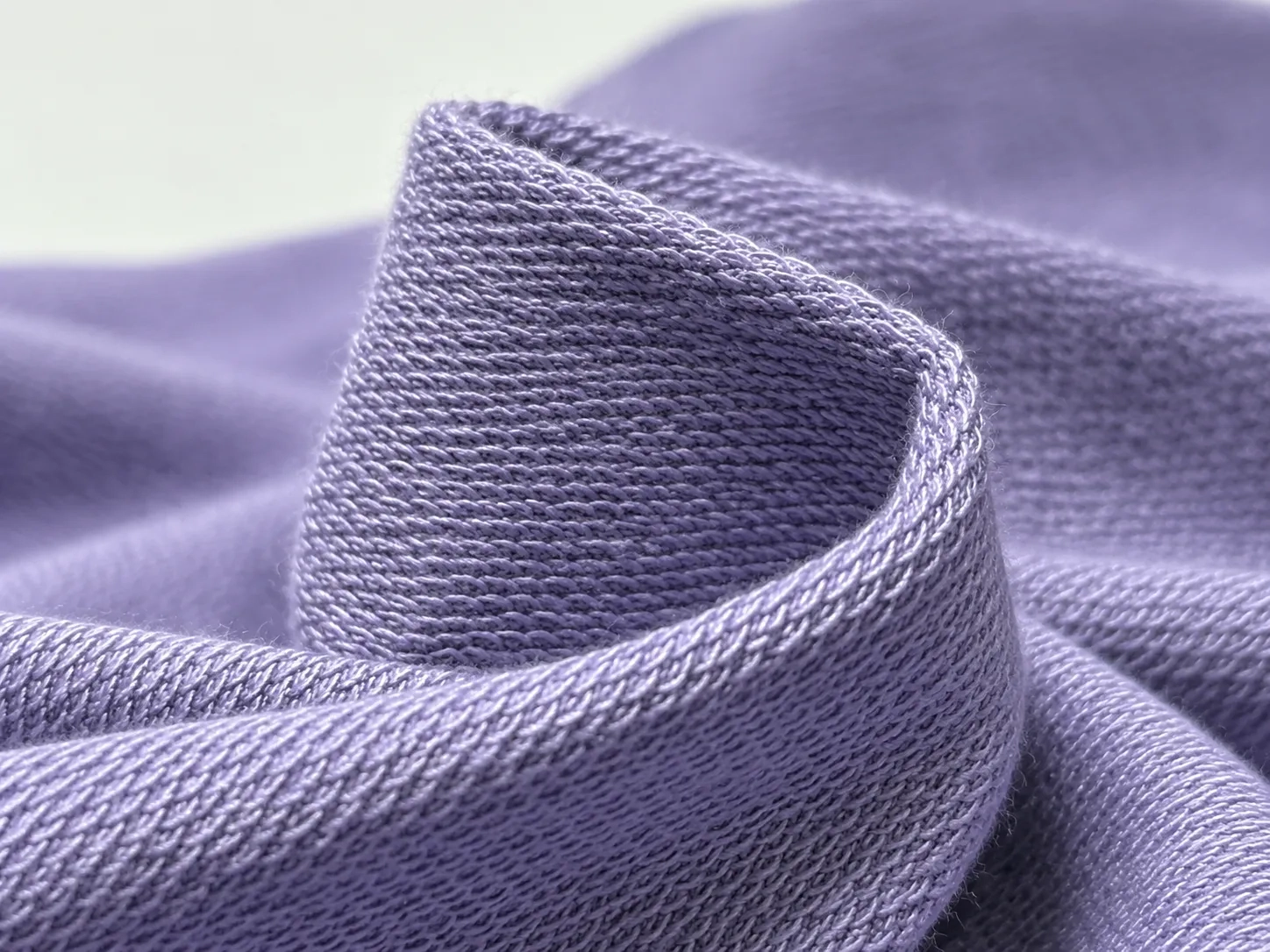
French terry knit fabric loopback structure

French Terry Fabric

Understand loopback construction, weight, warmth, and surface behavior for hoodies, sweatshirts, joggers, and knit pants.
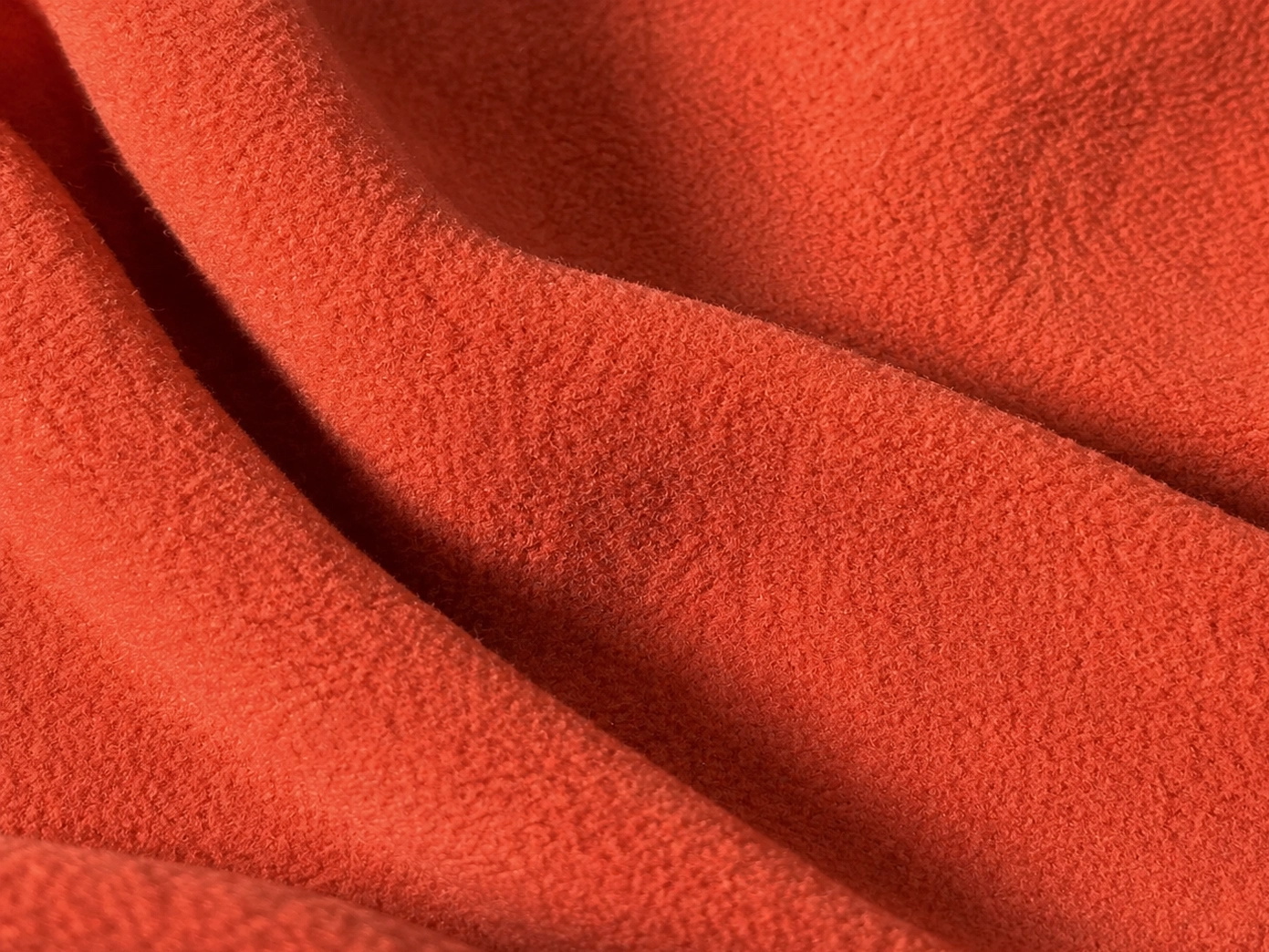
Fleece knit fabric brushed surface

Fleece Knit Fabric

Compare brushed surfaces, warmth, weight, shrinkage, and consistency for heavier cold-season knit garments.
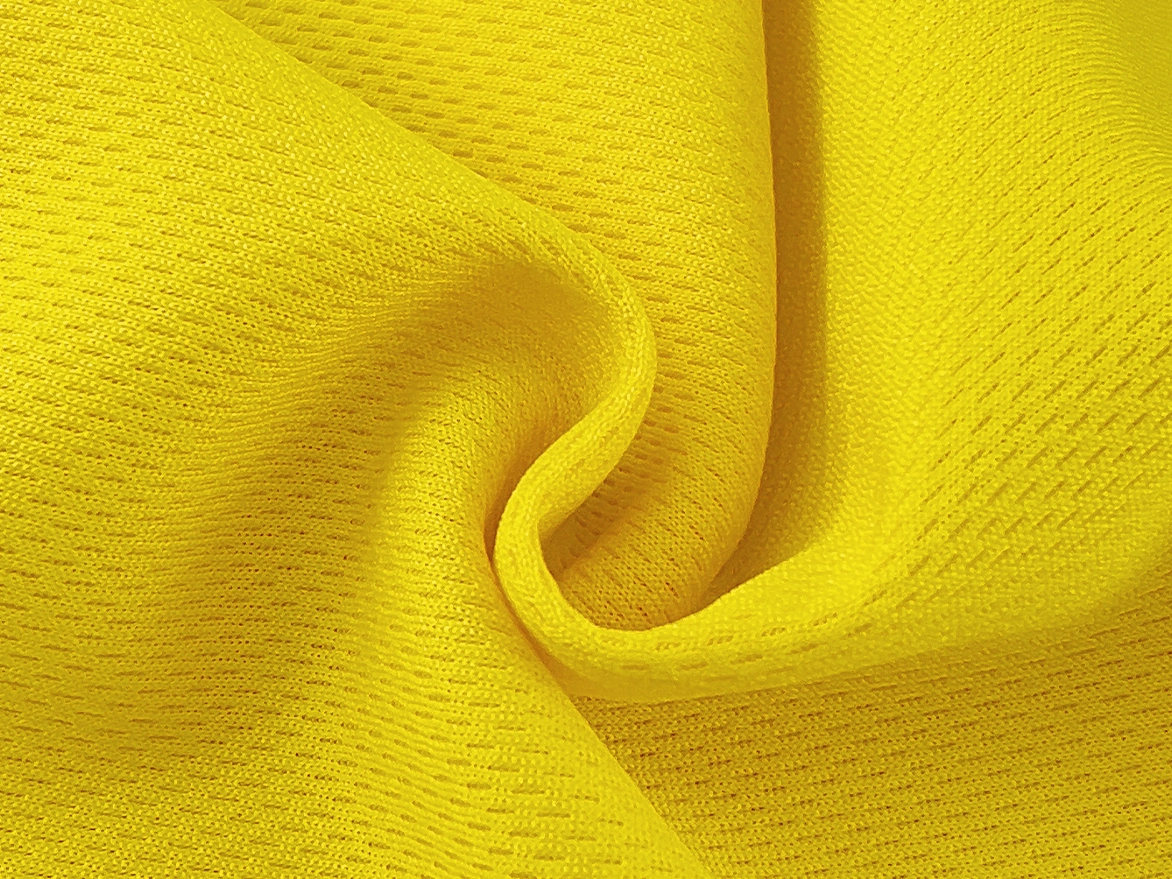
Mesh knit fabric open structure

Mesh Knit Fabric

Review open structure, airflow, weight, and stability for sportswear, activewear, linings, and ventilation areas.
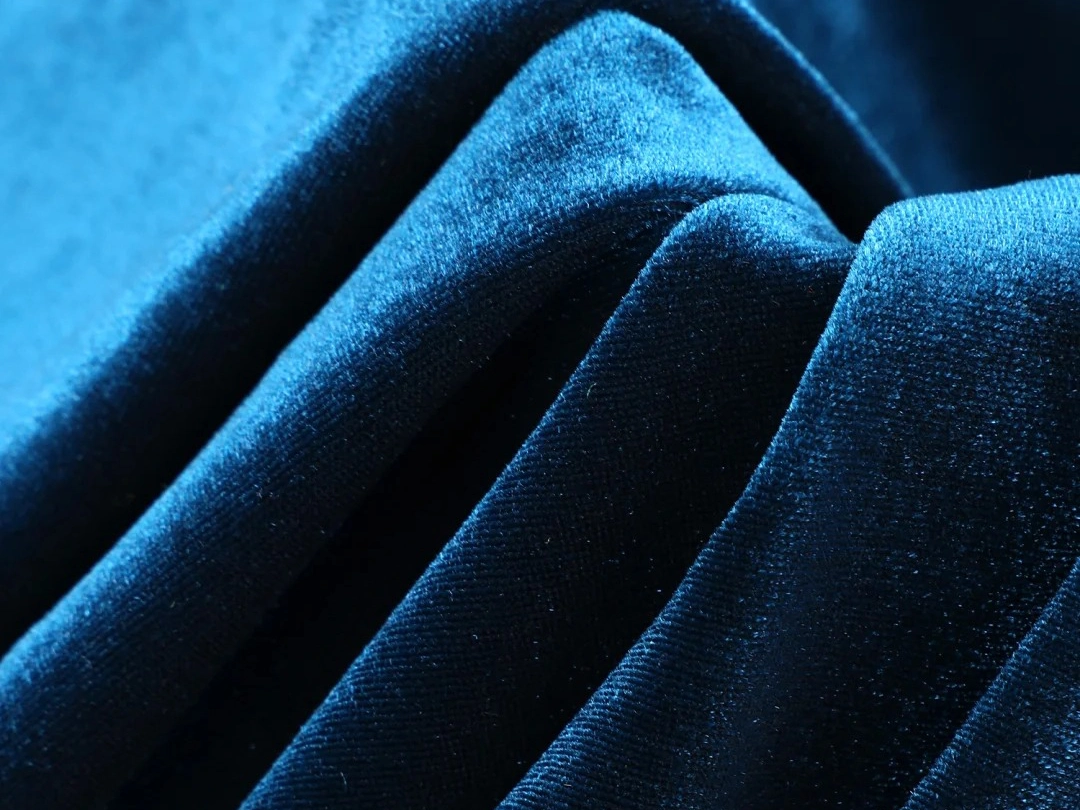
Velour knit fabric pile surface

Velour Knit Fabric

Explore pile surface, softness, sheen, drape, and handling behavior for fashion, leisure, and statement knit garments.

Match Fabric Direction to the Garment Application

Different garment applications place different demands on structure, weight, coverage, stretch, recovery, warmth, and dimensional stability.

T-Shirts & Lightweight Knit Tops

Drape, surface appearance, opacity, neckline stability, and lightweight comfort should work together.

Fabric Direction

Jersey knit or lightweight interlock selected according to fluidity, coverage, handfeel, and garment structure.

Consider Before Approval

Weight, opacity, drape, edge behavior, neckband recovery, and expected wash response.

Polo Shirts

Body fabric, collar, and placket need enough structure to maintain a controlled and stable silhouette.

Fabric Direction

Pique, interlock, or another stable knit structure with suitable surface definition and body.

Consider Before Approval

Surface consistency, collar support, placket behavior, dimensional stability, and expected post-wash shape.

Hoodies, Sweatshirts & Joggers

Weight, warmth, internal structure, handfeel, and repeat-order consistency influence the overall garment program.

Fabric Direction

French terry or fleece selected according to weight, loopback or brushed construction, warmth, handfeel, and seasonal use.

Consider Before Approval

Shrinkage tendency, surface change, rib compatibility, brushing consistency, and expected wash behavior.

Activewear & Fitted Knit Garments

Close-fitting and movement-focused garments require stable material behavior during wear.

Fabric Direction

Stretch knit structures defined through stretch direction, extension, recovery, opacity, and required coverage.

Consider Before Approval

Stretch level, recovery, opacity under extension, seam response, wash behavior, and shape retention.

Fabric names are only a starting point. The final direction should be evaluated against the intended garment result and the conditions that matter before approval.

Where Fabric Decisions Move Next

Once a fabric direction is understood, the next step is to turn it into a defined material reference, verify it through sampling, and retain the standards needed for production.
Approved knit fabric material reference reviewed with garment sample and development records

Develop the Material Direction

Translate structure, weight, handfeel, stretch, recovery, shrinkage, and surface requirements into a workable material direction for development.

Material & Fabric Development Review Fabric Development

Verify Through Sampling

Review how the selected material behaves with fit, measurements, construction, and the intended garment result before production readiness is confirmed.

Sampling, Fit & Approval Review Sampling & Fit

Control What Must Repeat

Use defined material references to support checks for shrinkage, dimensions, appearance, consistency, release, and future repeat production.

Quality & Standards Review Quality Standards

Turn a Fabric Question Into a Clearer Project Direction

If your fabric questions are tied to an active knit fabric garment project, share the intended garment, material direction, references, and requirements already defined. The next step is to clarify what is ready, what still needs alignment, and whether the project is prepared to move forward.

Continue With Related Fabric Articles

Explore deeper articles on knit structures, fabric weight, stretch, recovery, shrinkage, handfeel, material behavior, and garment application.

Explore the Article Library

Have a project ready for review?

Share the information already available so the project scope, material direction, and decisions that still need definition can be evaluated before the next step.

Share Your Project for Review
Scroll to Top