Fit & Leg Shape Define the Pant Proportion
Knit pants and joggers begin with the intended fit and leg shape. Rise, hip and thigh ease, taper, leg volume, and hem opening should be aligned before waistband, pocket, and construction details are refined.
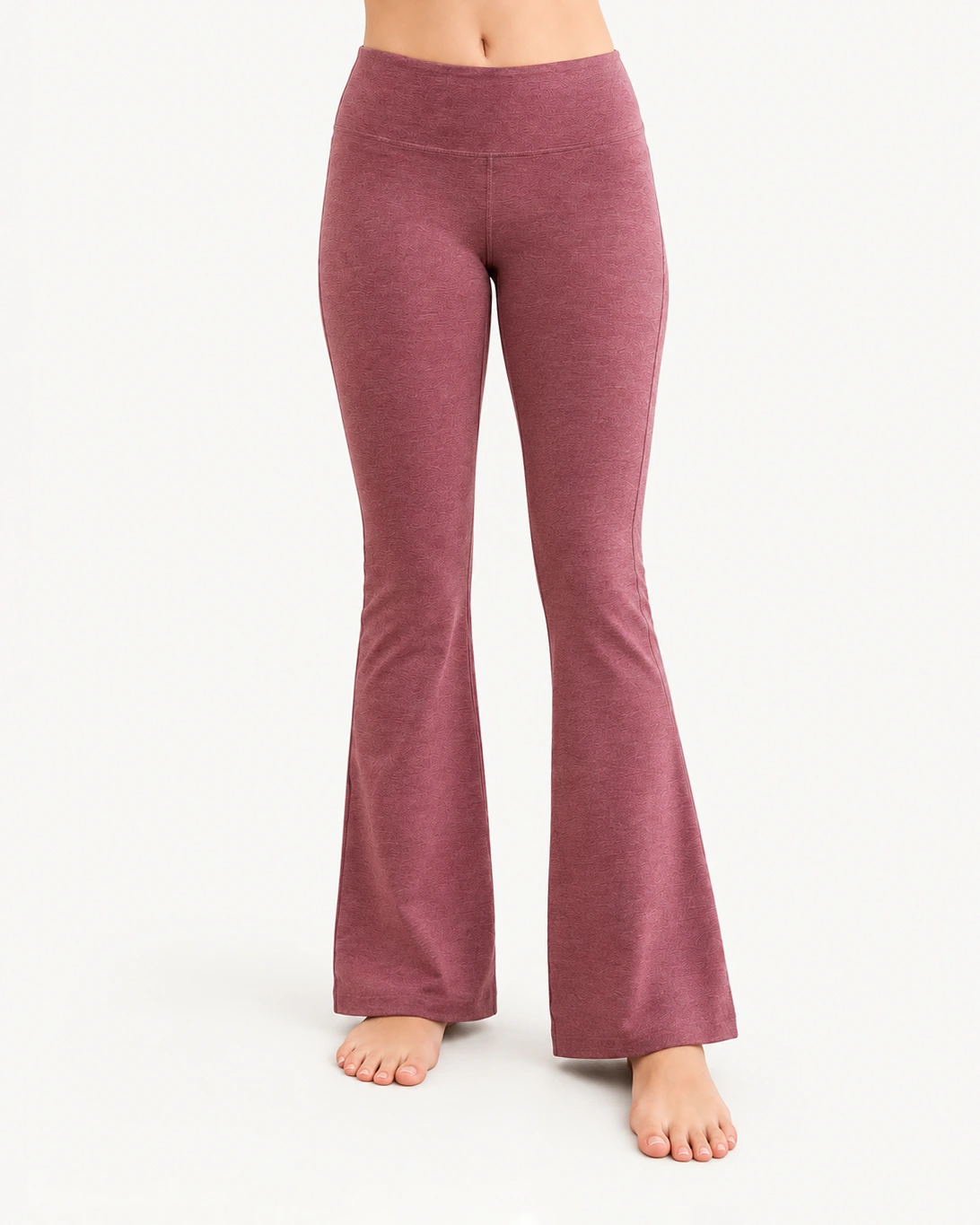
Slim & Tapered
A closer fit uses controlled hip and thigh ease with gradual taper through the leg, creating a narrower lower-leg profile and more defined ankle opening.
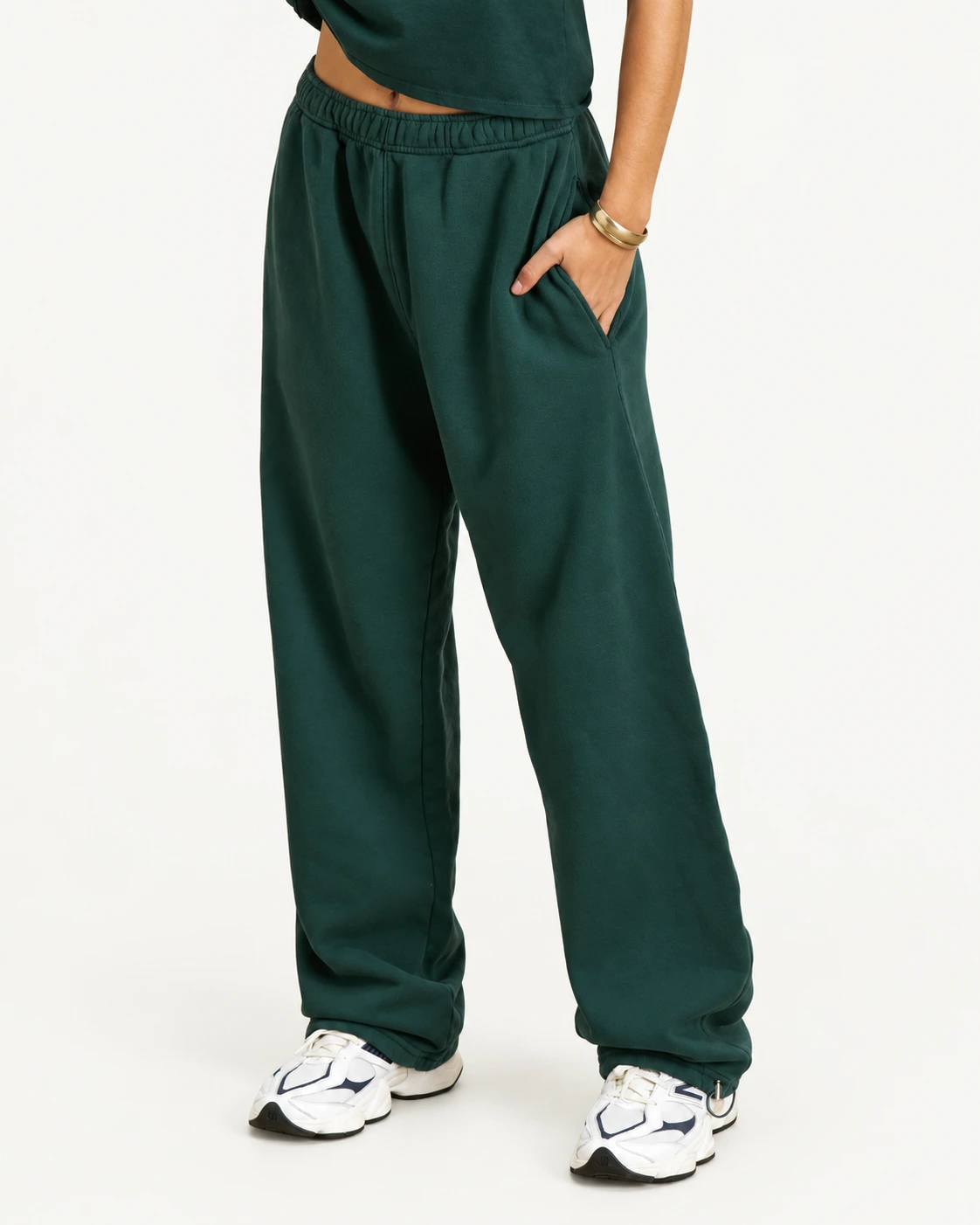
Straight Leg
A straighter leg maintains more consistent width from thigh toward hem, requiring balanced rise, hip ease, vertical alignment, and controlled leg proportion.
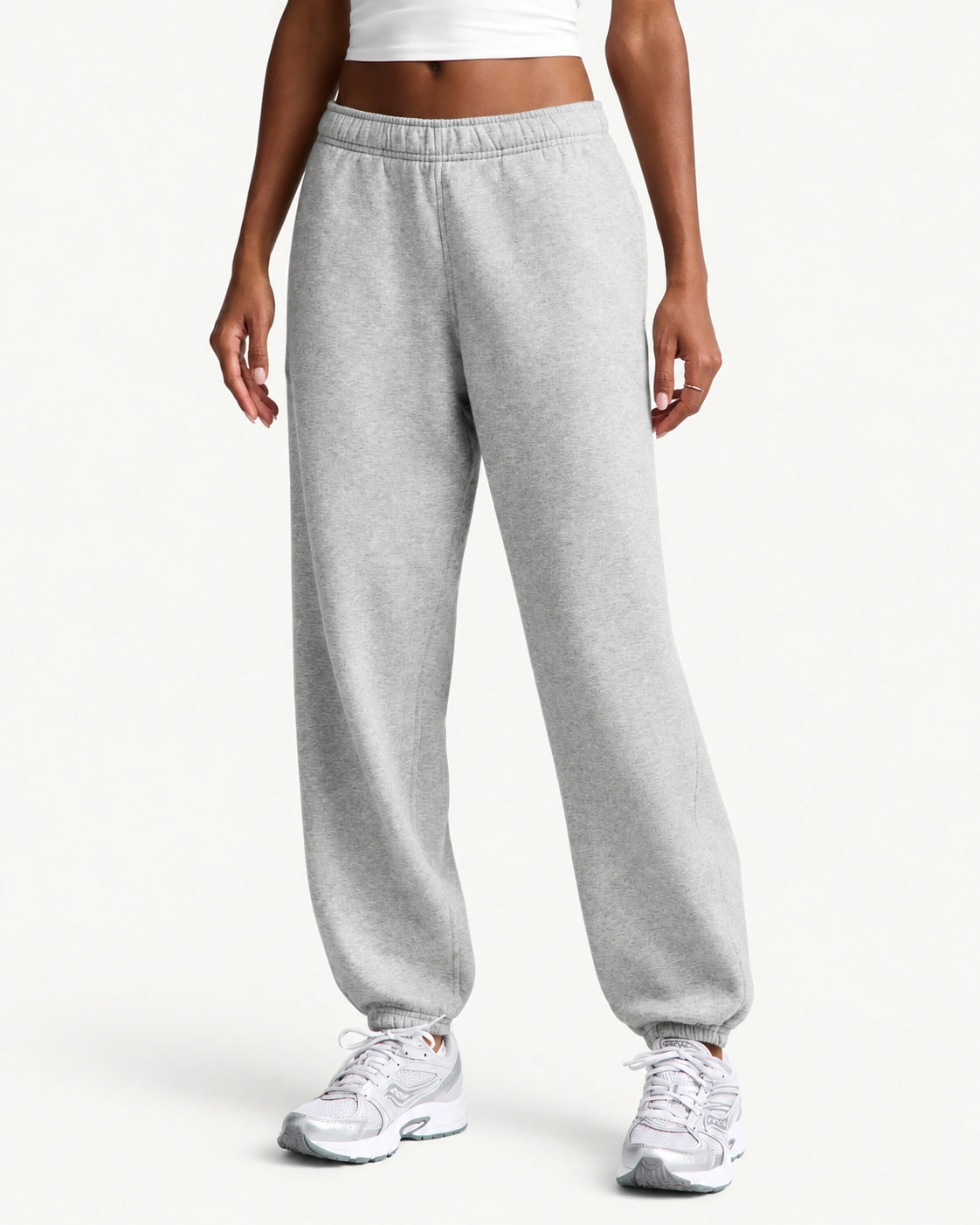
Jogger Fit
Added ease through the hip and upper leg transitions into a controlled taper, with waistband and cuff proportions helping define the characteristic jogger shape.
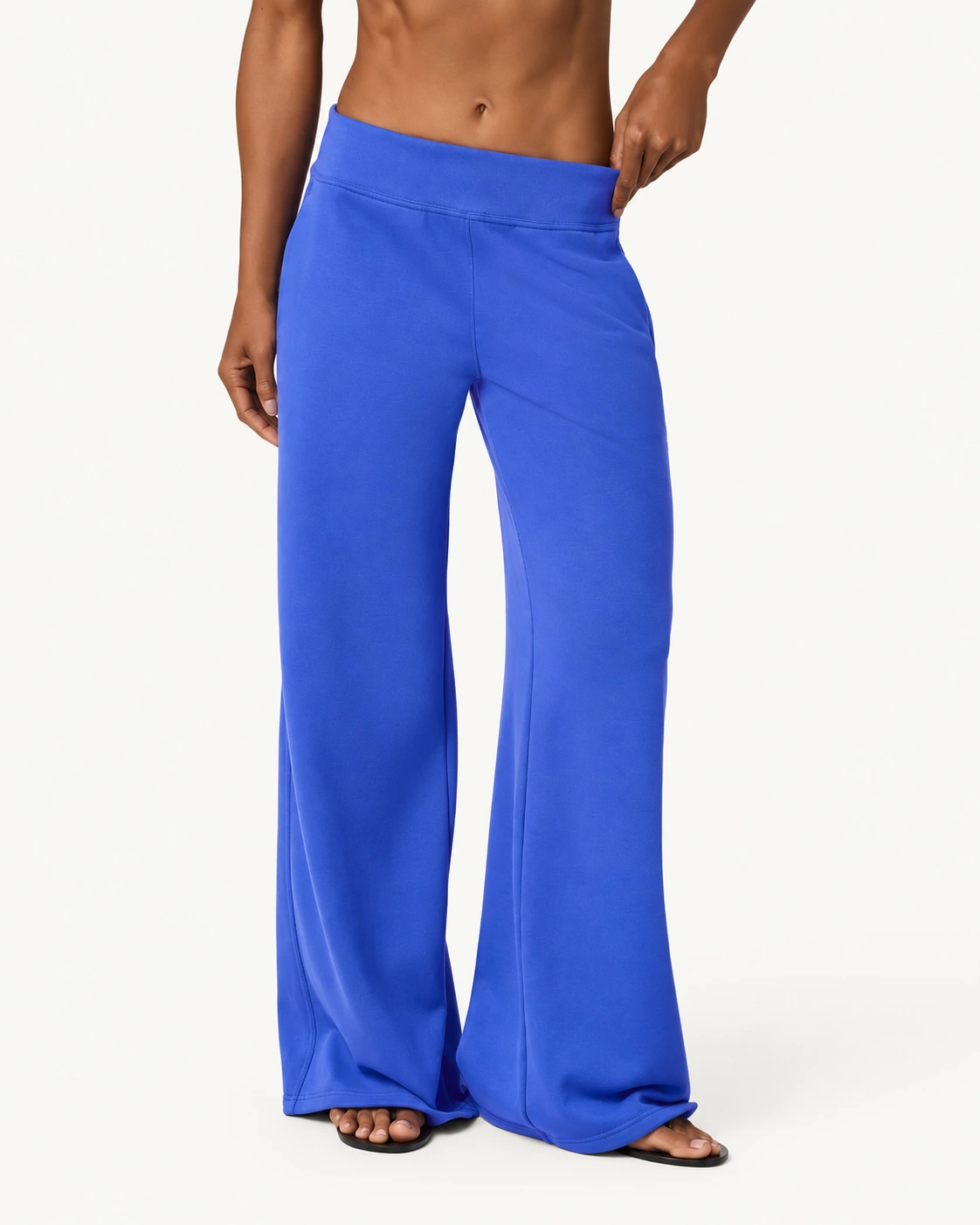
Wide & Relaxed
Greater hip and leg volume creates a looser silhouette where rise, overall length, leg width, and hem proportion need to remain visually balanced.
Fabric Behavior Shapes How the Pant Falls and Holds
For knit pants and joggers, fabric weight, drape, stretch, and recovery influence leg shape, movement, waistband support, and how consistently the garment maintains its intended proportion through wear.
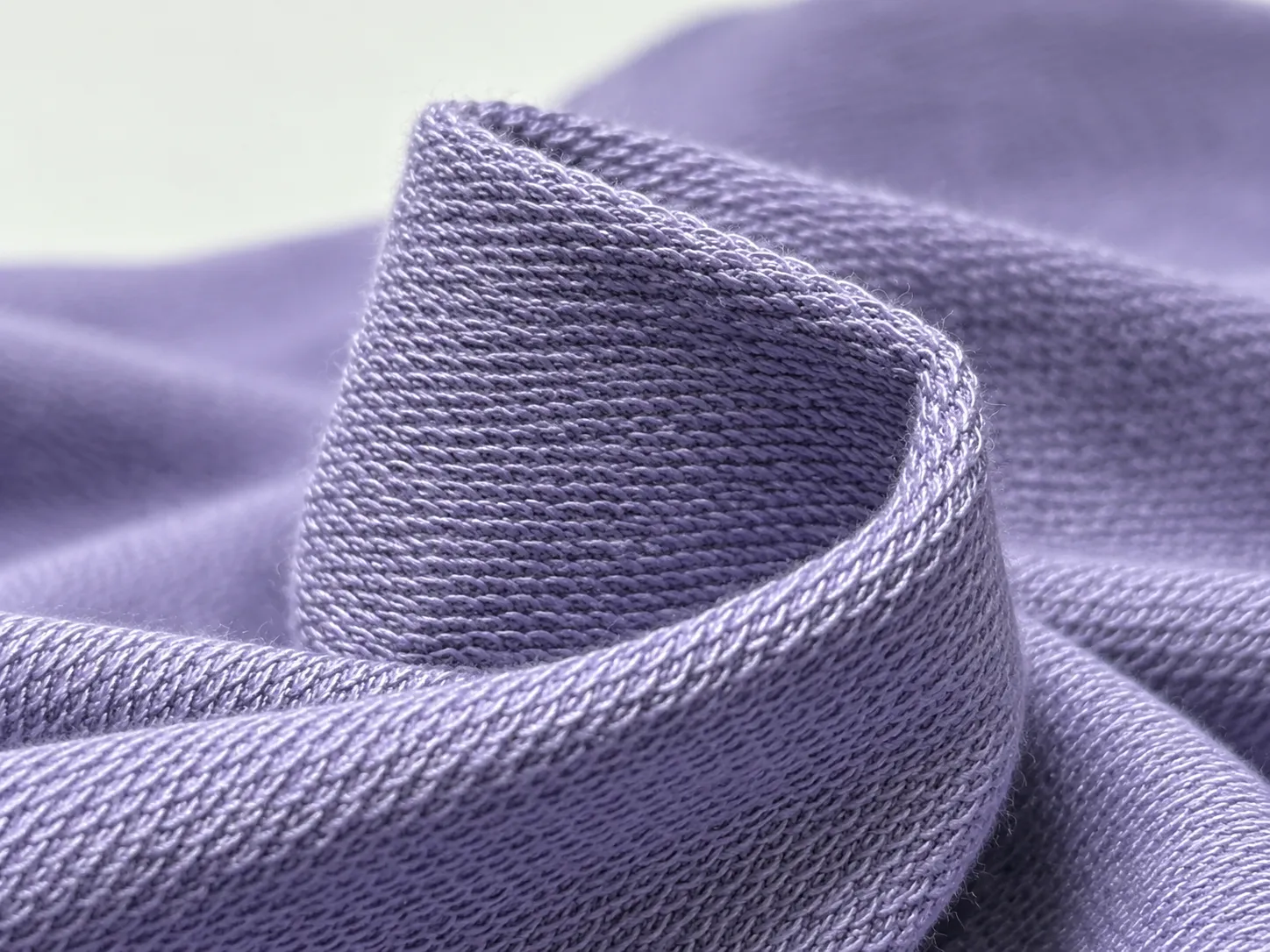
Fabric Weight & Structure
French Terry / Fleece / Heavy Interlock
Weight and fabric body influence warmth, leg structure, visual volume, and how strongly the pant holds its intended silhouette. Heavier directions are often suited to joggers, sweatpants, and structured straight-leg styles.
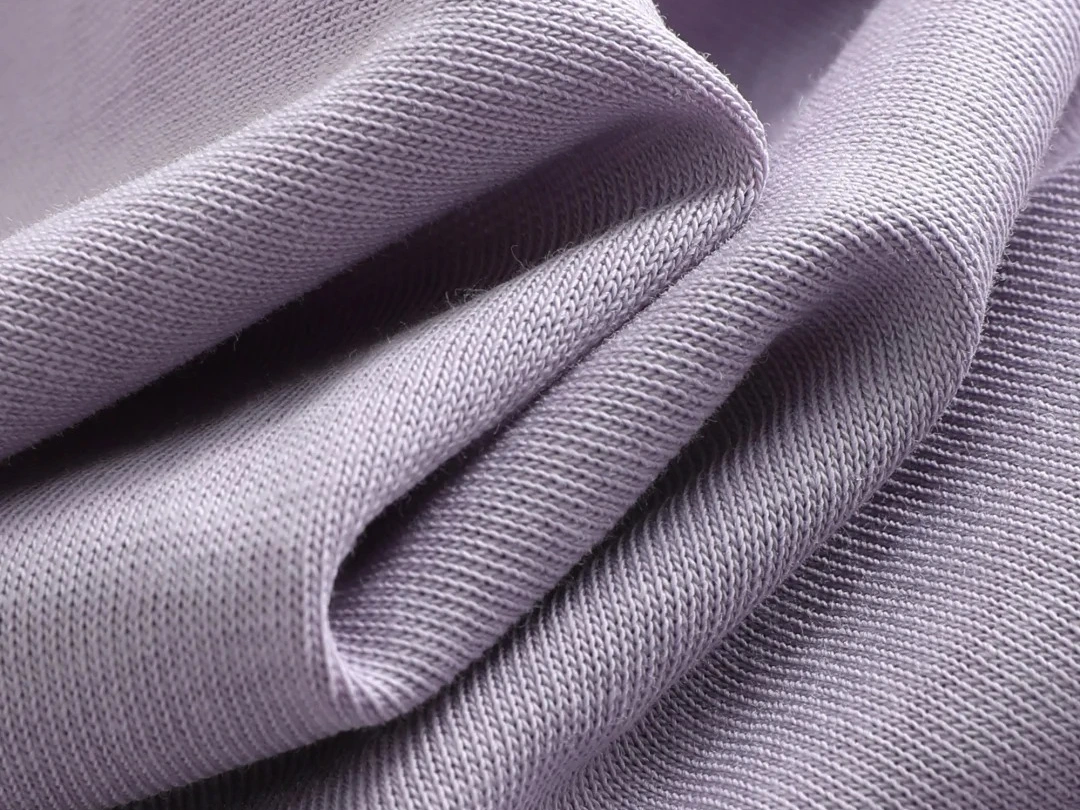
Drape & Leg Movement
Lightweight Jersey / Modal Jersey / Soft Interlock
Softer and more fluid fabrics support relaxed, wide-leg, and travel silhouettes where controlled drape and natural movement are part of the intended appearance. Fabric weight and stability still need to support clean side seams and balanced leg proportion.
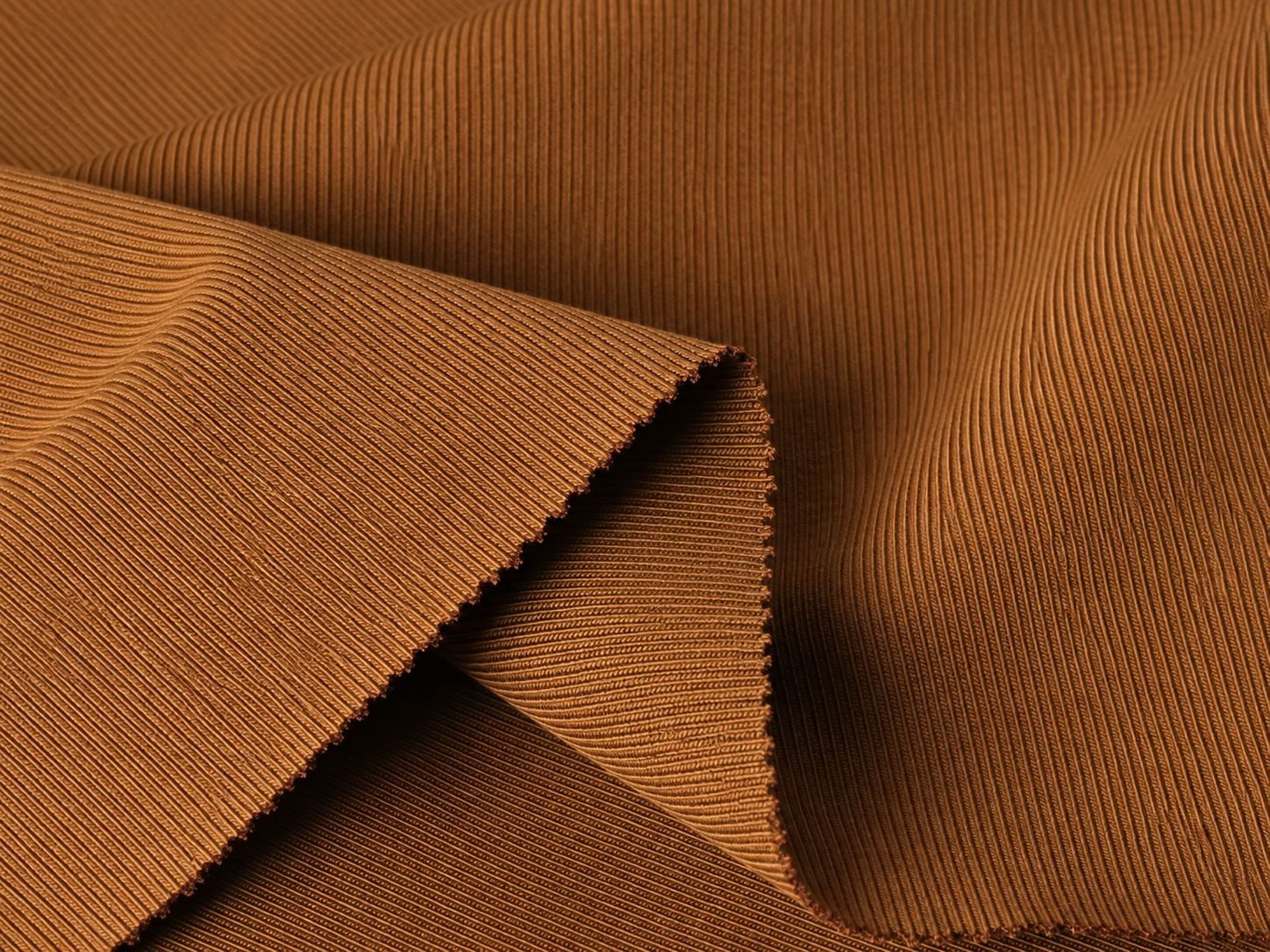
Stretch & Recovery
Nylon-Spandex Interlock / Polyester-Spandex Jersey / Cotton-Spandex Jersey
Stretch supports sitting, bending, and repeated movement, while sufficient recovery helps control knee growth, waistband distortion, and loss of the intended leg shape. This becomes especially important in slim, flare, yoga, and performance pant directions.
Six Construction Details to Review Before Bulk Production
Approved construction references help keep knit pants and joggers consistent when production scales. These six areas are reviewed against the approved sample to control fit, alignment, recovery, and post-wash proportion.

Waistband Recovery & Drawcord Position
Compare waistband height, elastic tension, recovery, drawcord position, and opening construction with the approved reference to control rolling, looseness, or uneven fit.
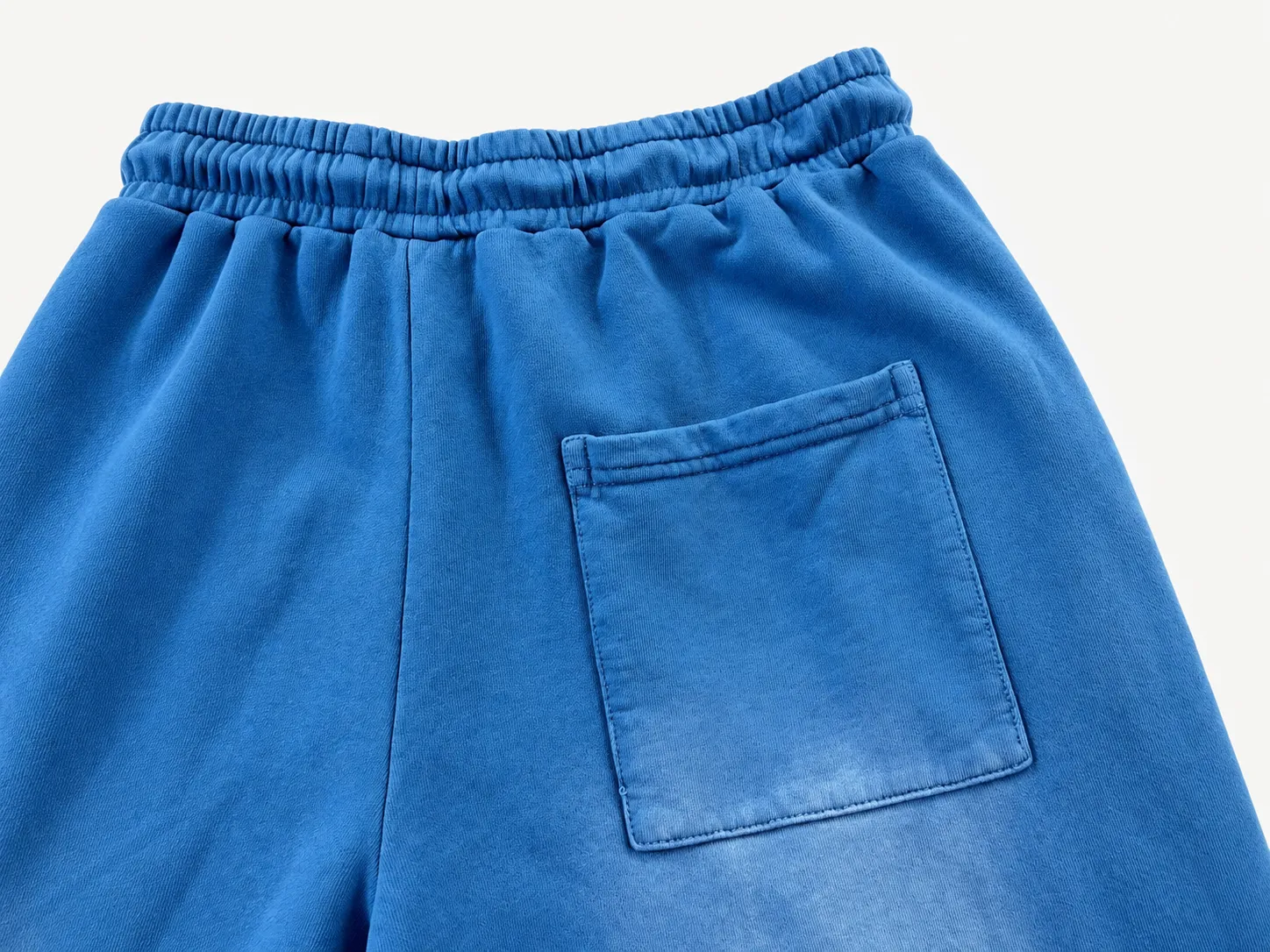
Pocket Opening & Reinforcement
Check opening length, placement, pocket bag stability, and reinforcement against the approved sample to reduce stretching, sagging, or left-to-right inconsistency.
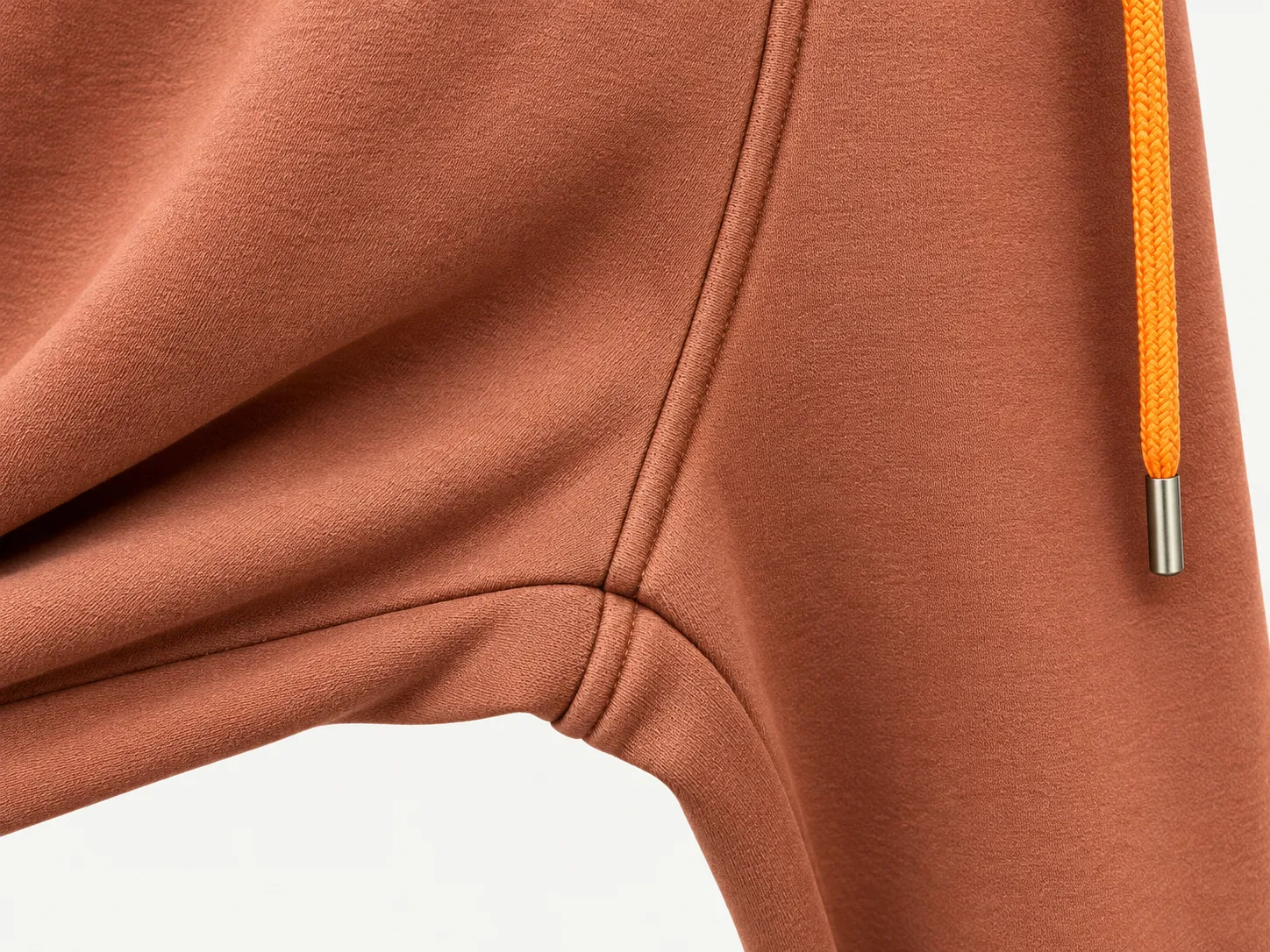
Rise & Crotch Balance
Review front and back rise, crotch depth, seam curvature, and panel or gusset alignment so movement remains natural without pulling, excess fabric, or shape imbalance.
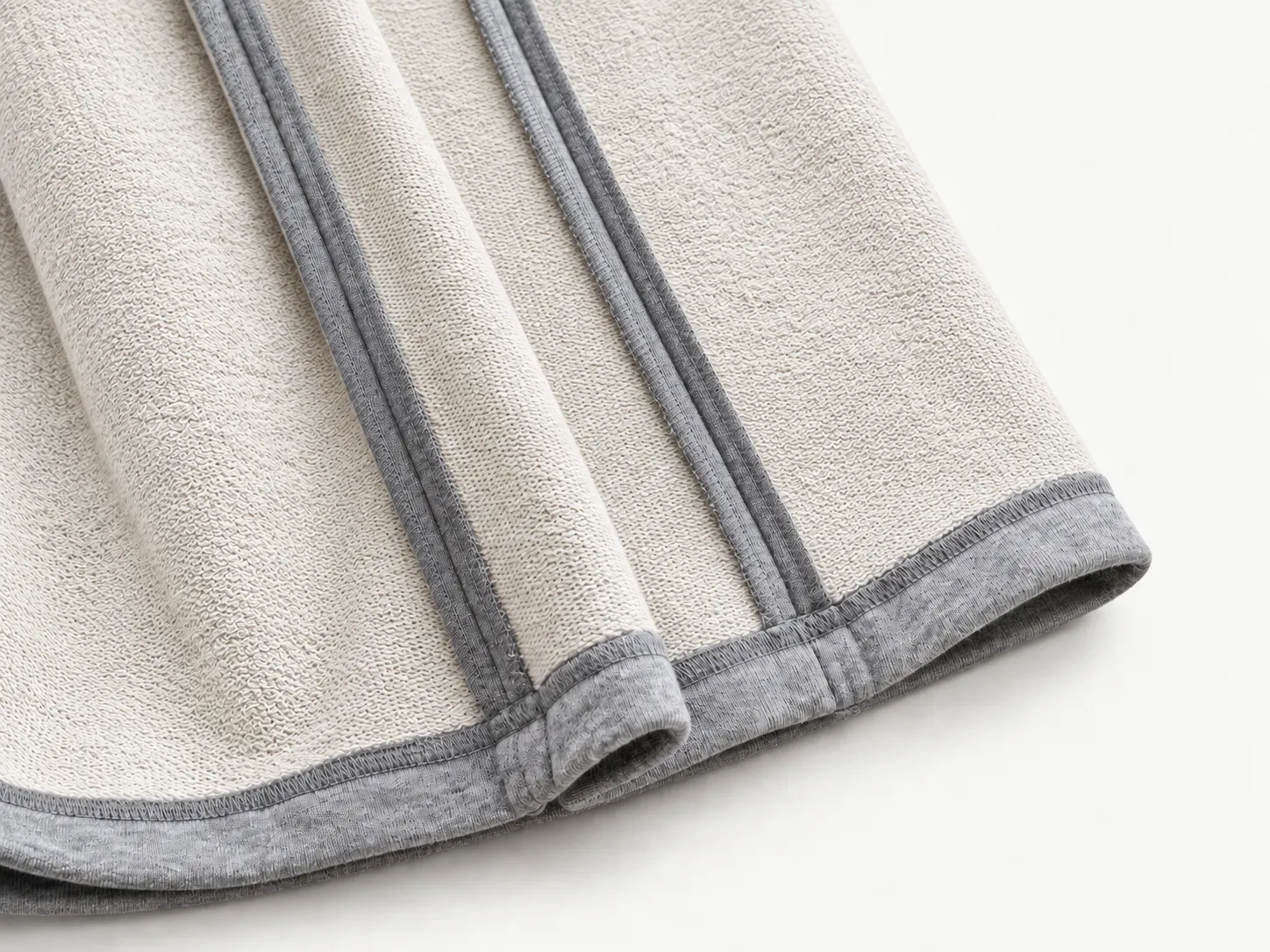
Side Seam & Inseam Alignment
Compare seam direction, cutting alignment, and left-to-right leg balance with the approved reference to identify twisting, rotation, or uneven pull before release.
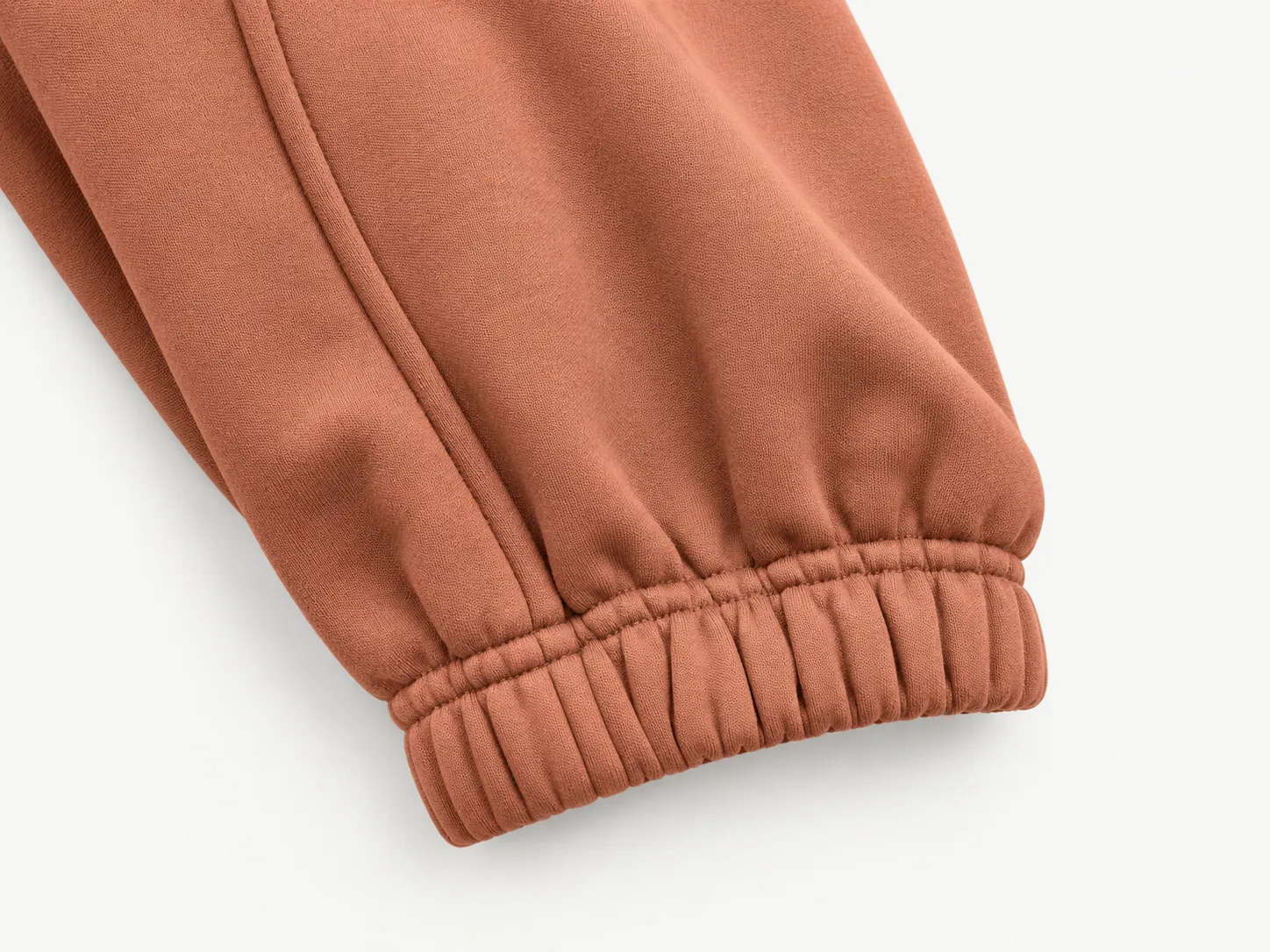
Cuff, Hem & Leg Opening
Check cuff tension, hem depth, finished opening, and overall length against the approved sample so both legs retain the intended lower-leg proportion and balance.
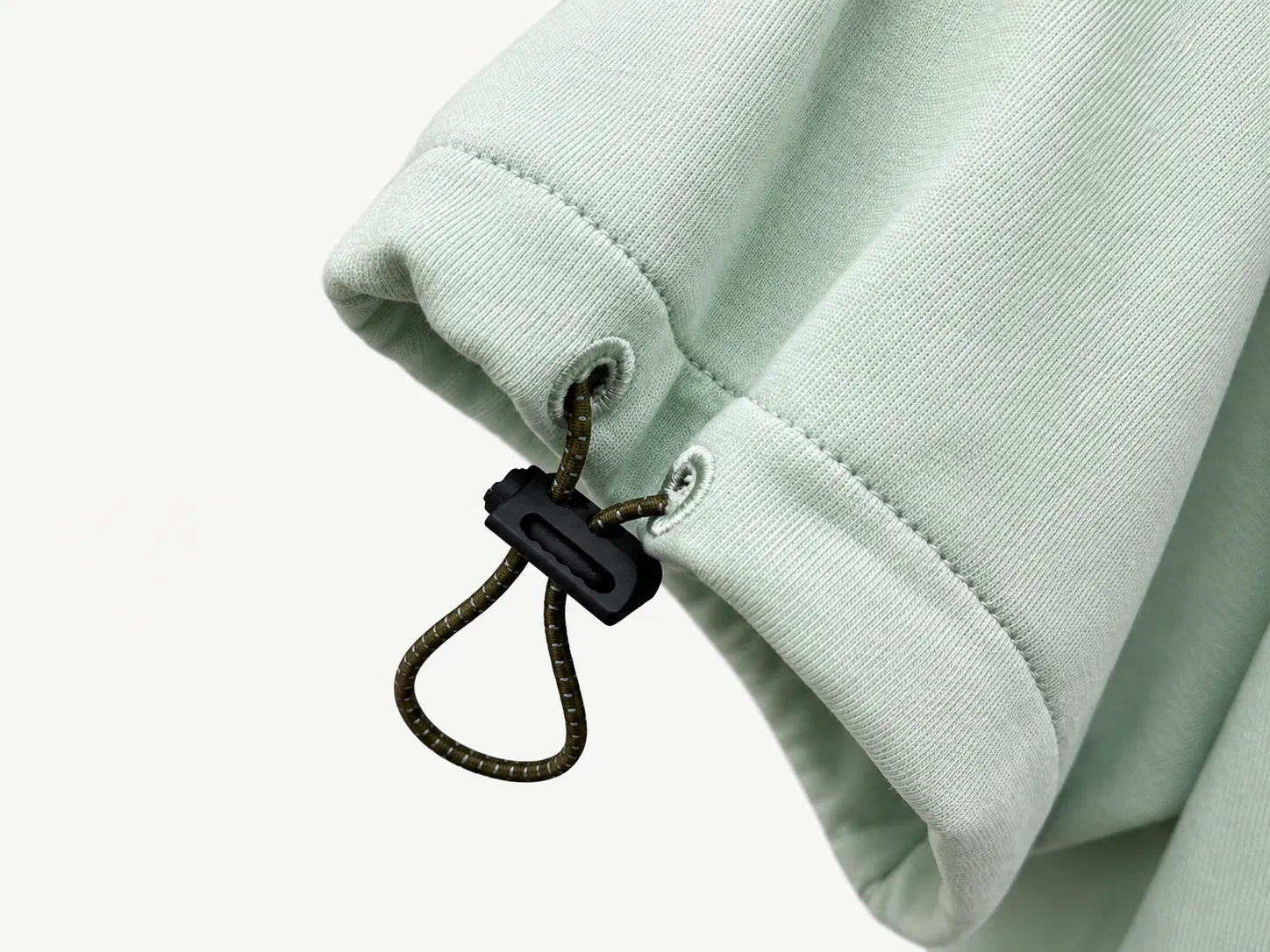
Stitching & Stress-Point Reinforcement
Check stitch tension, bartacks, and reinforcement at crotch, pocket, waistband, and drawcord stress points against the approved reference.
Bulk production is compared against approved construction and fit references so product-specific changes can be identified before final release.
Explore Knit Pants & Jogger Reference Styles
Knit pants and joggers can support different collection roles. These references show how active, lifestyle, utility, and travel priorities can lead to different fit, fabric, construction, and finishing directions.
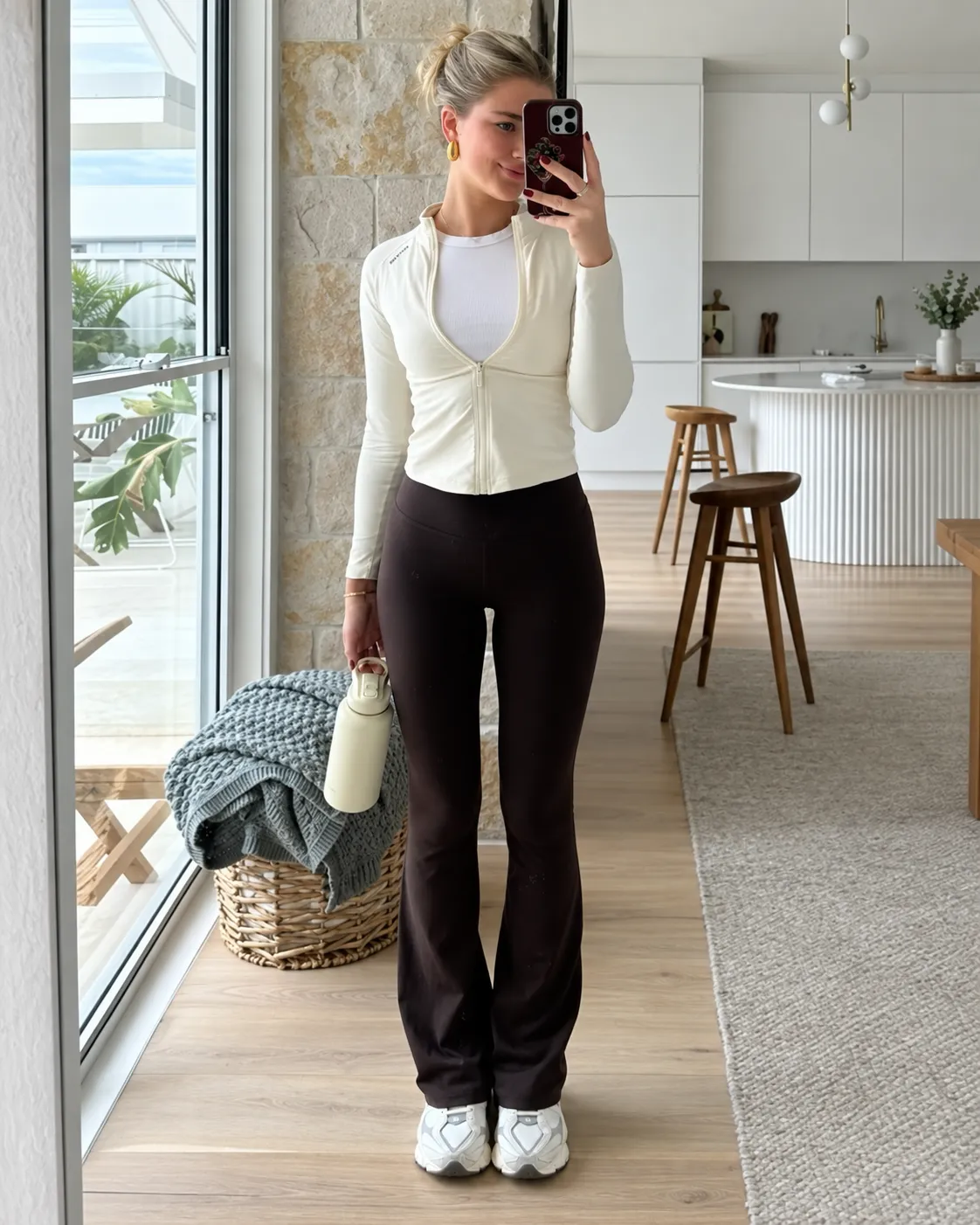
Training & Performance
Controlled fit, secure waist construction, practical details, and movement-focused proportions support active knit pant directions.
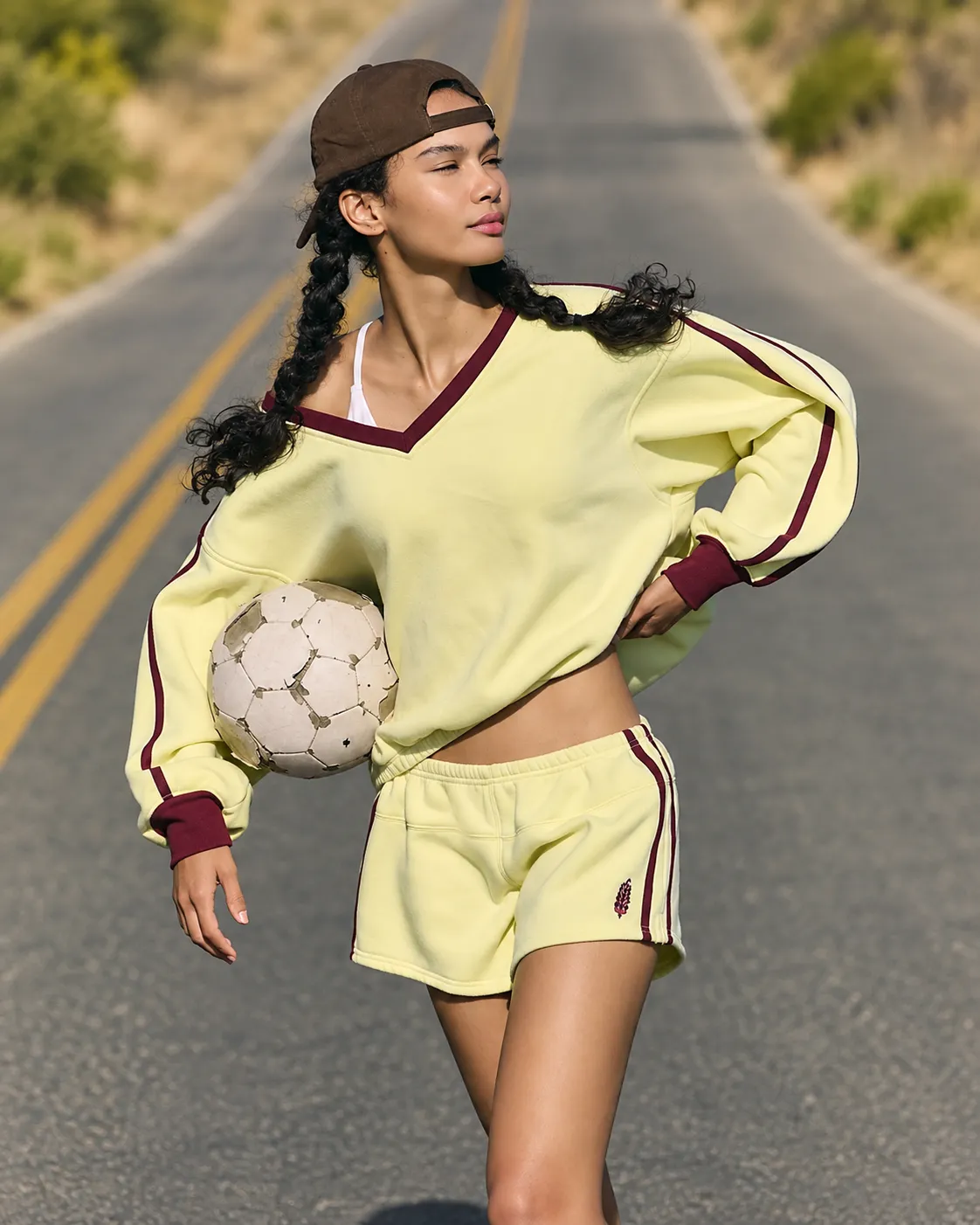
Everyday & Lifestyle
Relaxed proportions, softer fabric behavior, and understated construction support versatile knit pants for everyday wear.
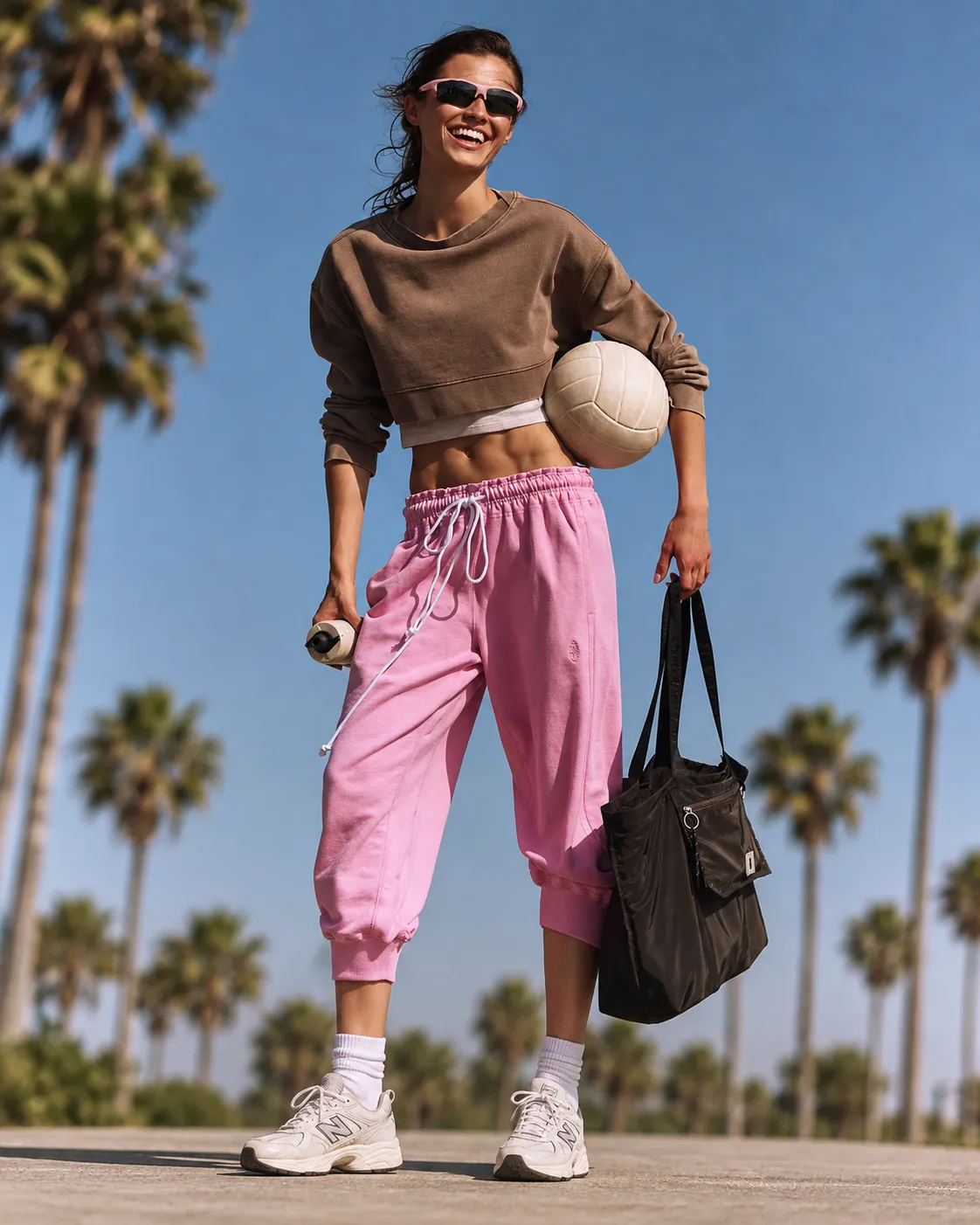
Outdoor & Utility
Structured knit fabrics, practical pockets, reinforced details, and controlled leg shapes support light utility-led directions.

Travel & Commuter
Cleaner silhouettes, comfortable movement, stable waist structures, and practical details support travel and commuter-oriented knit pants.