Different Programs, Different Manufacturing Priorities

KnitMillsCo supports B2B cut-and-sew knit apparel programs where product direction, standards, and continuity requirements can be defined before scaling into repeat production.

Four Program Scenarios, Different Priorities

What matters is not only who the customer is, but how the program is structured, launched, replenished, and expected to continue across future orders.

Coordinated cut-and-sew knit apparel collection program with multiple garment references

Brand & Collection Programs

Seasonal collections, coordinated capsules, core knit styles, and product-line extensions that require silhouette, material direction, color, decoration, and approval standards to remain aligned across the range.

Cut-and-sew knit apparel DTC program with core styles color extensions and replenishment references

DTC & Replenishment Programs

Core launches, color extensions, capsule tests, bestseller restocks, and repeat orders that depend on clear SKU structure, reliable replenishment, and cross-batch consistency.
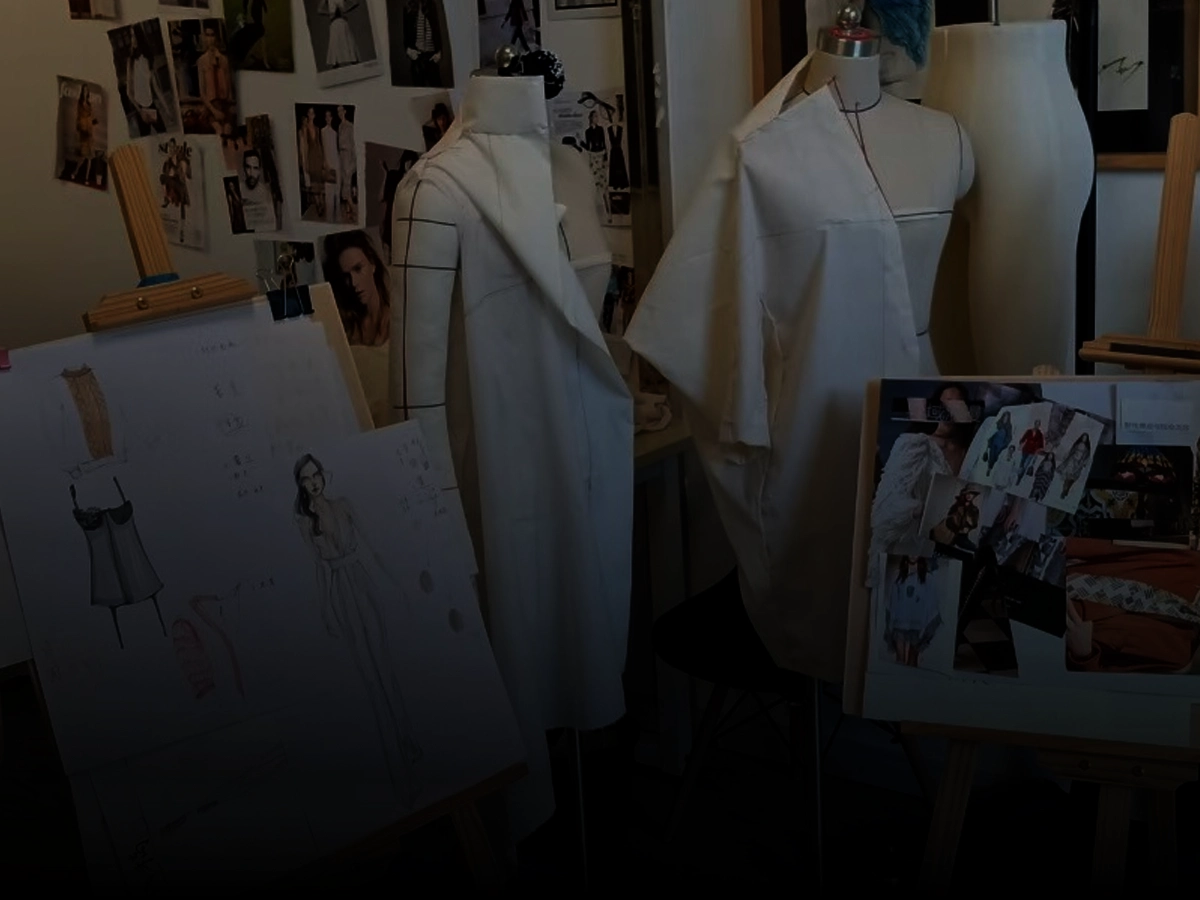
Emerging apparel brand development program with focused knit garment samples and product references

Emerging Brand Development

Focused first capsules, reference-led development, pilot programs, and early product validation designed to establish a workable product direction and verify repeatability before expansion.

Private label wholesale and retail knit apparel program with coordinated assortment and labeling requirements

Private Label, Wholesale & Retail Programs

Private label assortments, wholesale ranges, retail programs, size-color plans, and repeat supply that require alignment across assortment structure, labeling, packing, delivery, and future replenishment.

Program structure matters as much as customer type. It determines what needs to be defined before development expands.

What Changes From One Program to Another

Different programs begin with different inputs, assortment structures, launch models, and commercial requirements. These variables need to be clear before development and production are aligned.

What May Differ
What Needs to Be Clear

Assortment Scope

What May Differ

A single hero style, a small capsule, a seasonal collection, or a broader private label assortment.

What Needs to Be Clear

Confirm priority SKUs, shared materials or construction links, and the order in which the range should be developed.

Development Input

What May Differ

The project may start from a concept brief, an existing sample, partial references, or a tech pack with defined specifications.

What Needs to Be Clear

Clarify what is already approved, what still needs development, and which fit, fabric, or trim references guide the next step.

Launch & Replenishment Model

What May Differ

Some programs begin with a pilot drop, while others follow color extensions, restocks, or planned repeat orders.

What Needs to Be Clear

Define volume range, launch timing, replenishment expectations, retained references, and the continuity needed across future orders.

Delivery & Commercial Requirements

What May Differ

Requirements may involve DTC SKU handling, wholesale assortments, private label setups, or retail size-color plans.

What Needs to Be Clear

Align size breakdown, labeling, packing, carton details, release timing, and delivery requirements before bulk execution.

The manufacturing path should reflect the program that needs to be repeated, not only the first order that needs to be produced.

What Makes a Program a Good Fit

KnitMillsCo works best with B2B cut-and-sew knit apparel programs that can define a workable product direction, review decisions against agreed references, validate repeatability before scale, and maintain continuity across future orders.

Clear Product Direction

Suitable for programs where priority styles, intended applications, and launch direction can be identified before development expands. Enough direction should be available to define and review the next decision.

Reviewable Standards

Suitable for programs where material, fit, construction, decoration, and quality expectations can be translated into references that both sides can review and compare during development and production.

Validation Before Scale

Suitable for projects that treat sampling, review, and approval as part of production readiness. Repeatability should be verified before the program moves into larger-scale production.

Continuity Beyond One Order

Suitable for programs where approved references, repeat-order consistency, replenishment, and future batch stability matter beyond the first successful production run.

Project fit is determined by working conditions, not brand size. The clearer the product direction, standards, and continuity needs, the stronger the basis for a repeatable manufacturing program.

From Program Fit to Product Direction

A suitable manufacturing program starts with a clear product direction, workable standards, and expectations that can remain consistent beyond the first order.

Product Applications

Explore cut-and-sew knit apparel applications and the product-specific decisions that shape material, structure, fit, finishing, and production readiness.

Explore Product Applications

Already have a product direction, reference sample, technical package, or program brief ready for review?

Submit Project for Evaluation
Scroll to Top