Collar & Placket Direction Defines the Polo Character
A polo shirt is defined by more than body fit. Collar structure, front opening, placket treatment, and closure type establish the product character before fabric and detailed construction are refined.

Classic Button Polo
A knitted collar and visible button placket create the familiar polo structure, with collar scale, opening length, button spacing, and body proportion working together.

Hidden-Placket Polo
A concealed closure creates a cleaner front appearance and places greater importance on placket flatness, reinforcement, symmetry, and collar balance.

Open-Collar Polo
An open neckline removes the conventional button closure and shifts attention to collar shape, neckline opening, fabric drape, and upper-body balance.

Zip Polo
A zipper opening introduces stronger center-front structure, requiring controlled zipper alignment, collar integration, opening stability, and balanced garment proportion.
Fabric Direction Shapes the Polo Character
Polo fabric development goes beyond knit structure. Composition, weight, surface texture, stretch, recovery, and moisture performance should be defined around the intended fit, wearing environment, and finished product character.

Classic Cotton Pique
A textured cotton-rich direction for classic, lifestyle, and corporate polos. Its breathable surface, defined body, and structural stability support balanced collar proportions and a familiar polo character.

Lightweight Fine Pique
A finer and lighter polo fabric direction for summer, fitted, and more refined silhouettes. Its smaller-scale texture supports breathability, softer handfeel, and a cleaner visual appearance.

Moisture-Wicking Lightweight Knit
A lightweight functional direction where moisture management, breathability, quick drying, and soft handfeel support warm-weather, travel, and movement-focused polo applications.

Cool-Touch Stretch Knit
A performance direction for golf, tennis, travel, and active polos. Cool handfeel, stretch, recovery, and shape retention support movement while maintaining a clean technical appearance.
Six Polo Details to Confirm Before Bulk Production
Before a polo moves into bulk production, the approved garment should provide clear references for the construction details that define its finished appearance. Collar shape, placket alignment, closures, branding, rib recovery, and lower-edge construction should be reviewed against the approved sample before production release.

Collar Shape & Edge Stability
Check collar width, point shape, symmetry, attachment, edge stability, and neckline relationship so the collar keeps the approved proportion without curling, collapsing, or twisting.

Placket Proportion & Front Alignment
Review placket length, width, reinforcement, center position, stitch alignment, and opening symmetry so the front remains flat, balanced, and consistent with the approved sample.

Button & Buttonhole Balance
Confirm button size, spacing, buttonhole position, overlap, attachment, and closure tension so the placket closes cleanly without pulling, gaping, or disturbing front alignment.
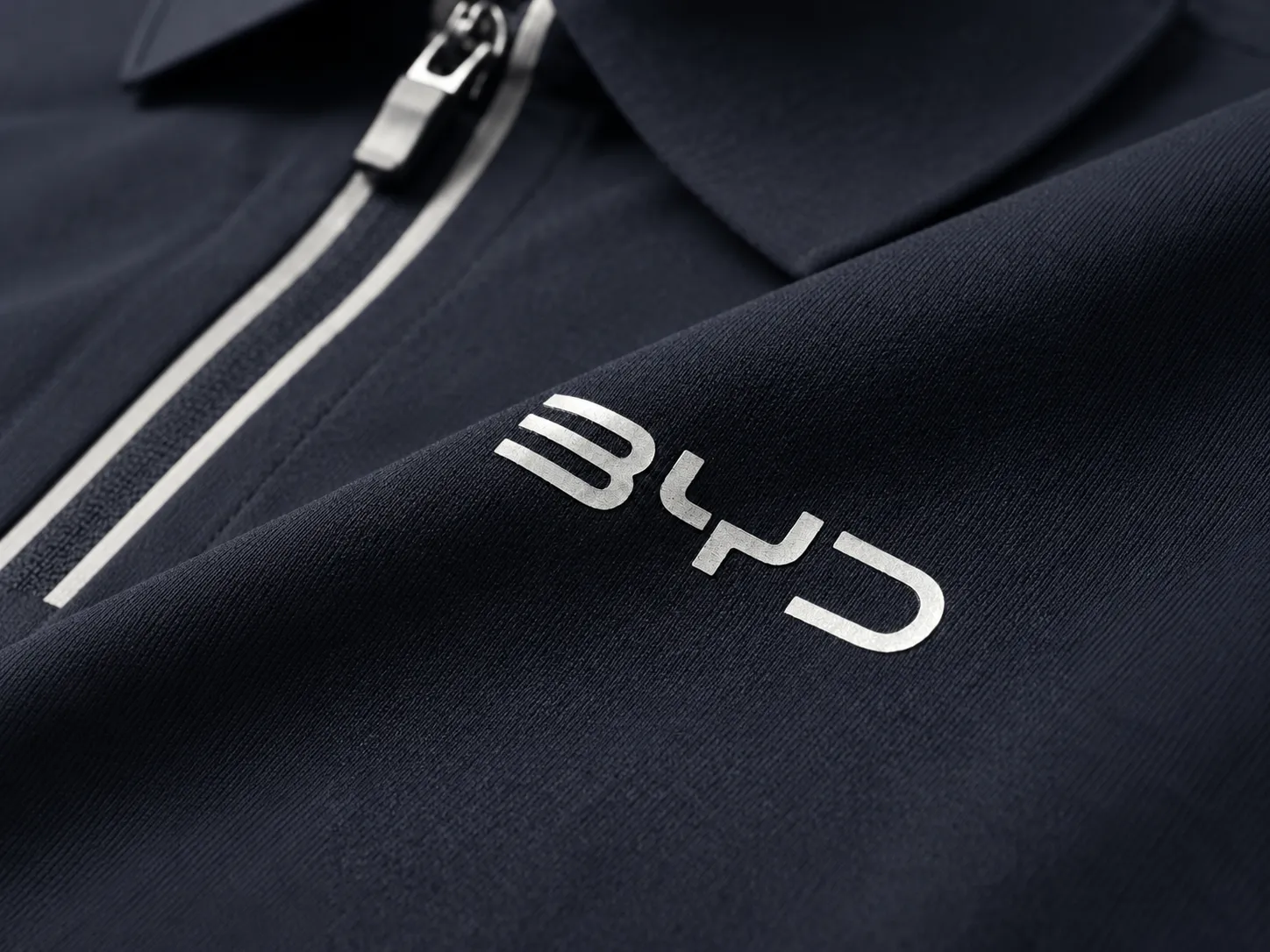
Logo / Embroidery Placement & Appearance
Review placement, scale, stitch density, backing, logo clarity, and fabric reaction so branding remains correctly positioned without puckering or distorting the knit surface.

Sleeve Cuff & Rib Recovery
Check cuff width, attachment, rib tension, recovery, edge condition, and left-right consistency so the sleeve opening returns to shape without stretching out or creating uneven pressure.

Hem & Side Slit Construction
Review hem width, stitch consistency, side-slit height, reinforcement, edge flatness, and left-right symmetry so the lower edge sits cleanly without twisting or distortion.
Explore Polo Shirt Reference Styles
The same polo construction can support different collection roles. These examples show how everyday, business, fashion, and performance priorities can lead to different product expressions.
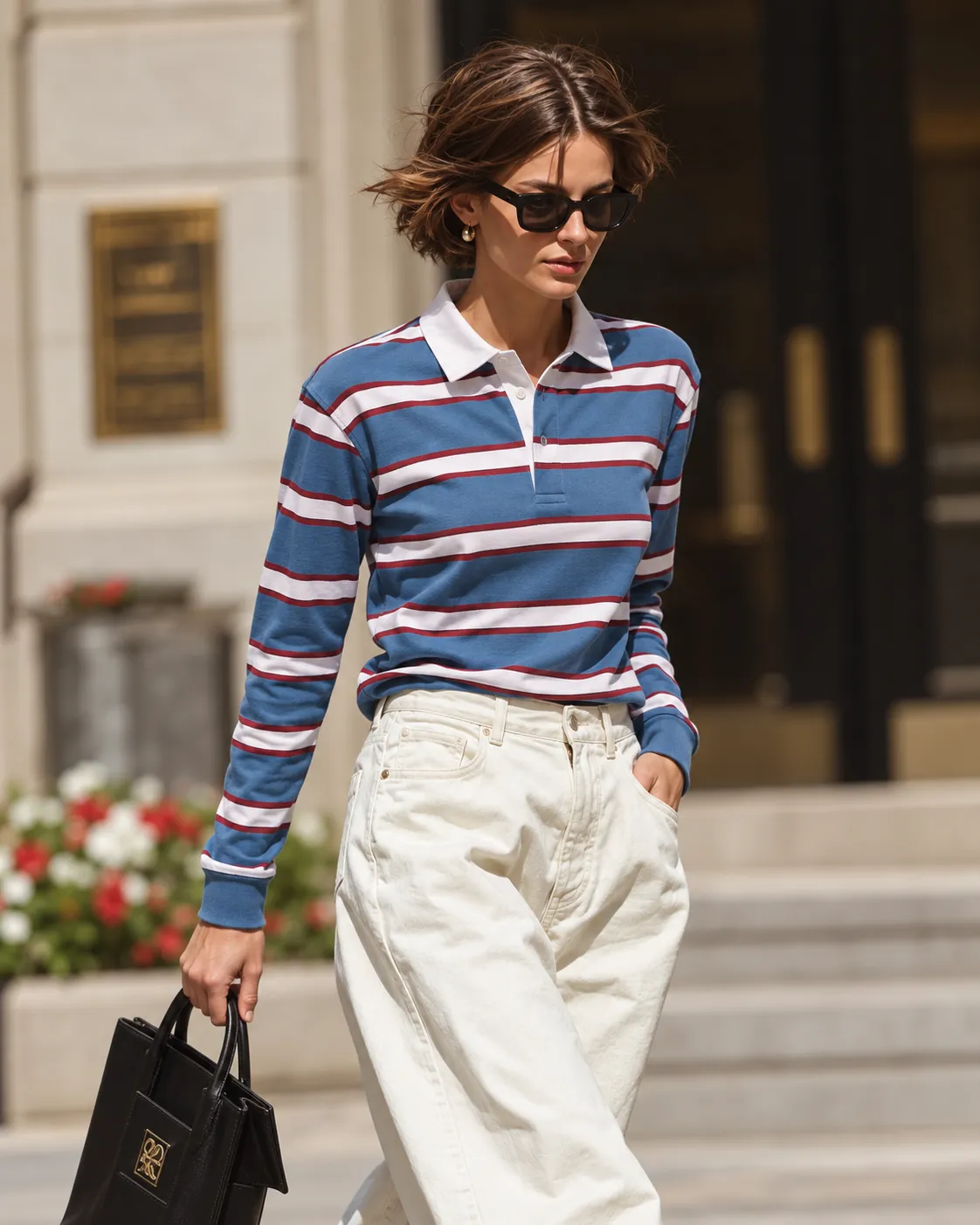
Everyday Essentials
Familiar proportions, versatile fabrics, balanced collar structures, and dependable construction support core polo programs and repeat collections.

Business & Workwear
Cleaner silhouettes, stable collars, controlled branding, durable construction, and polished surfaces support business, teamwear, and work-focused programs.

Fashion & Contemporary
Distinctive collar treatments, fabric character, altered proportions, refined decoration, and non-standard openings create more expressive polo directions.

Golf & Performance
Stretch, recovery, lighter fabric structures, movement comfort, and controlled collar stability support golf and other performance-focused polo programs.